

We are a digital agency helping businesses develop immersive, engaging, and user-focused web, app, and software solutions.
2310 Mira Vista Ave
Montrose, CA 91020

2500+ reviews based on client feedback
What's Included?
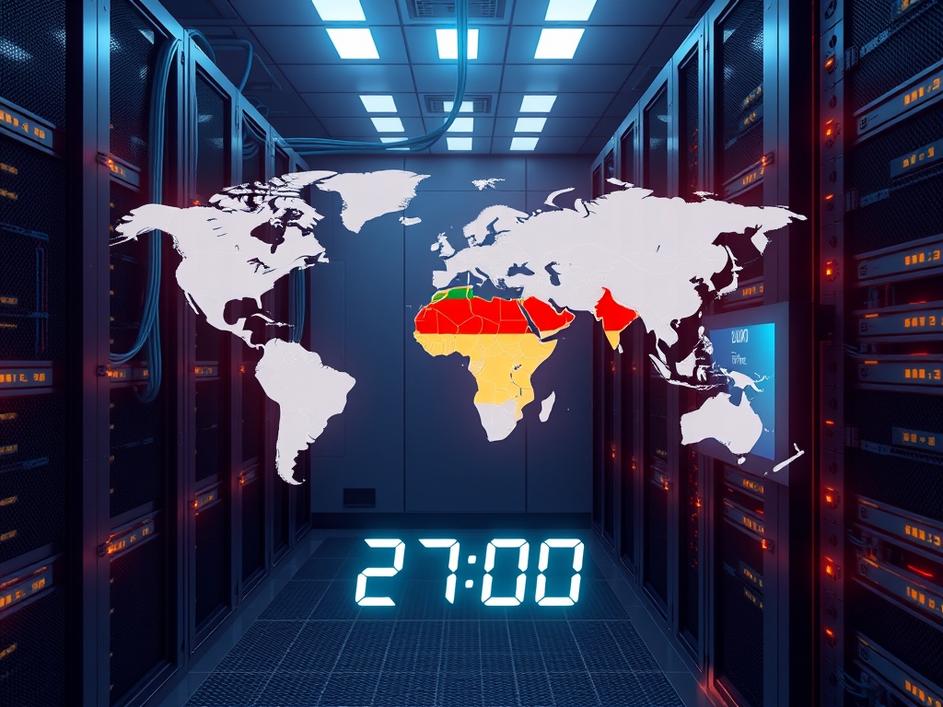
TogglePlanned maintenance is a routine part of keeping any cloud service reliable, and Cisco’s upcoming window for its Meraki SD‑WAN head‑end is no exception. From the evening of July 1st at 21:00 UTC until the early hours of July 2nd at 02:00 UTC, engineers will be working on the infrastructure that connects users in South Africa, Germany and France. The announcement may look like a simple calendar entry, but it signals a coordinated effort to apply patches, upgrade firmware and test new routing logic across three very different regions. For businesses that rely on Meraki for branch connectivity, the timing matters because even a short interruption can affect VPN tunnels, cloud applications and remote desktop sessions. Understanding what is happening, when, and why helps IT teams plan ahead and keep their users informed. Most organizations treat such windows as a chance to verify backup procedures and communicate any expected slowdown to end users.
The Meraki SD‑WAN head‑end acts like a traffic controller for dozens of branch routers spread across a country or continent. It stores policy definitions, pushes firmware updates, and aggregates telemetry that tells administrators how each link is performing. In South Africa the head‑end supports a mix of satellite backhaul and fiber connections, while in Germany and France it handles a denser mesh of MPLS and broadband links. Because the head‑end sits in the cloud, a single maintenance event can ripple through all three regions at once, which is why Cisco bundles them together in one time slot. The benefit of this approach is that engineers can test the same changes under different network conditions, catching bugs that might only appear on a high‑latency link in Johannesburg or a low‑latency fiber line in Frankfurt. In short, the head‑end is the brain behind the scenes, and keeping it healthy is essential for a smooth user experience.
The maintenance window is set from 21:00 UTC on July 1st to 02:00 UTC on July 2nd, a five‑hour span that covers late‑evening traffic in South Africa and early‑morning activity in Europe. During this period Cisco will take the head‑end services offline in short, controlled bursts. Most customers will notice a brief pause in policy pushes and a momentary loss of real‑time telemetry. Data plane traffic – the actual user traffic flowing through the SD‑WAN – is designed to keep moving, but some advanced features such as dynamic path selection may revert to a fallback mode. Cisco typically publishes a status page that updates every few minutes, so you can see exactly when each step starts and ends.
For most day‑to‑day operations the impact will be subtle. Users may see a slight delay when opening a new cloud application, or a VPN client might need to re‑authenticate once the head‑end comes back online. Organizations that run critical batch jobs over the SD‑WAN during the window could experience a hiccup, especially if those jobs rely on real‑time policy changes. It’s a good idea to schedule any non‑essential deployments or heavy data transfers outside the maintenance period. If you have Service Level Agreements that mention network uptime, note the maintenance window as an acceptable exception; Cisco includes it in their service credits policy.
The safest way to handle the outage is to communicate early. Send a brief email to all stakeholders explaining the date, time and expected behavior. Update any internal runbooks with a note that the Meraki head‑end will be unavailable for a short stretch, and add a checklist for post‑maintenance verification – for example, confirming that all branch sites have re‑registered and that policy sync status shows green. Subscribe to Cisco’s status notifications by email or SMS so you receive real‑time alerts. If you use a monitoring platform that pulls data from the Meraki dashboard, set a temporary alert threshold that flags a loss of telemetry during the window, allowing you to differentiate expected maintenance from an unexpected outage.
Regular maintenance may feel like an inconvenience, but it’s the price we pay for a secure and stable network. Cisco uses these windows to patch known vulnerabilities, improve code efficiency and add support for newer hardware. In the long run, the brief pause you experience today helps prevent larger, unplanned incidents tomorrow. As more companies move critical workloads to the edge, the reliability of the SD‑WAN head‑end becomes a cornerstone of business continuity. Treat the maintenance notice as a reminder to review your own backup and failover strategies – if you already have a plan for a short outage, the process will be smooth. When the clock strikes 02:00 UTC on July 2nd and the services come back online, you should see the same or better performance you had before, with the added confidence that the underlying platform has been refreshed.
Source: Original Article


Comments are closed