

We are a digital agency helping businesses develop immersive, engaging, and user-focused web, app, and software solutions.
2310 Mira Vista Ave
Montrose, CA 91020

2500+ reviews based on client feedback
What's Included?
ToggleKenya is making a big move to revamp its tourism industry. The country’s Cabinet Secretary of Tourism and Wildlife, Hon. Rebecca Miano, recently shared some ambitious plans at the World Governments Summit in Dubai. The idea? To use artificial intelligence and data to make tourism more sustainable, inclusive, and digitally advanced.
The focus on inclusivity is particularly interesting. Traditionally, tourism benefits specific regions and communities, often leaving others behind. By using data intelligently, Kenya hopes to identify areas with untapped potential and develop tourism products that benefit a wider range of people. This might involve promoting cultural experiences in less-visited areas or supporting local businesses that cater to tourists.
Regional development is a core part of this strategy. Kenya aims to distribute the economic benefits of tourism more evenly across the country. This isn’t just about fairness; it’s about creating a more resilient and diversified tourism sector. By developing attractions and infrastructure in different regions, Kenya can reduce its reliance on traditional hotspots and offer visitors a wider range of experiences.
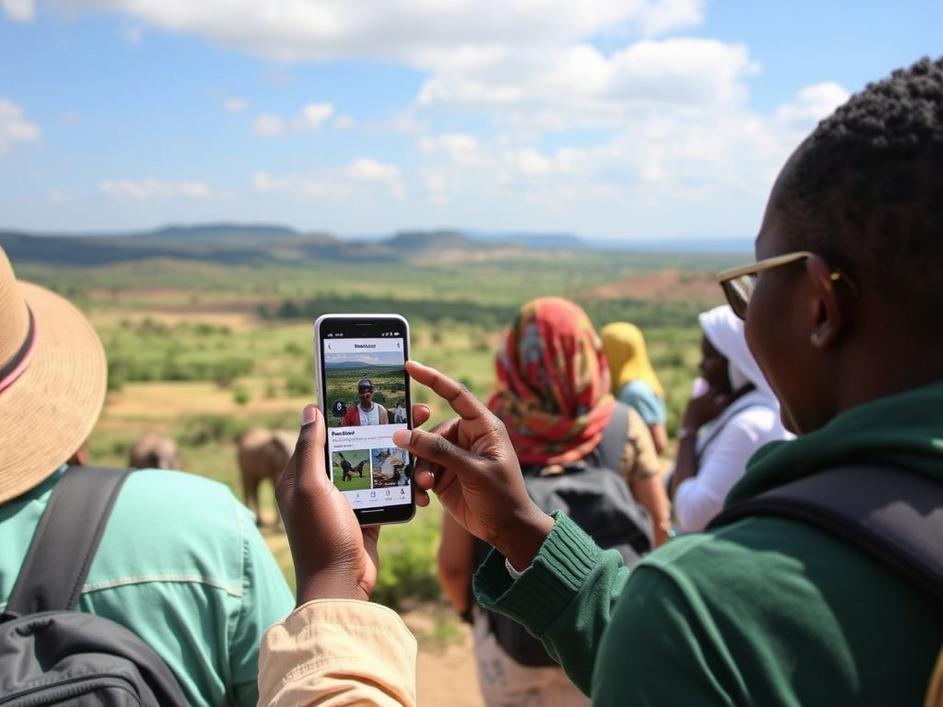
Enhancing digital travel experiences is another crucial element. In today’s world, travelers expect seamless and personalized digital interactions. Kenya plans to use AI to improve everything from online booking and information access to personalized recommendations and virtual tours. This could involve developing a mobile app that provides real-time information about attractions, transportation, and accommodation, or using AI-powered chatbots to answer traveler inquiries.
But let’s be realistic. Implementing such a grand plan comes with challenges. Access to technology, data privacy concerns, and the need for skilled personnel are all potential hurdles. Kenya will need to invest in infrastructure, training, and robust data protection measures to ensure that its AI-driven tourism strategy is successful and ethical. The plan requires a delicate balance between technological advancement and preserving the authentic cultural and natural experiences that draw tourists to Kenya in the first place. Over-reliance on technology could diminish the human element that makes travel so enriching. Kenya also faces the challenge of competing with other destinations that are also investing heavily in digital tourism solutions. To stand out, it needs to offer unique and compelling experiences that cannot be easily replicated.
The integration of AI also raises questions about job displacement. While AI can create new opportunities, it could also automate tasks currently performed by human workers. Kenya will need to carefully manage this transition, ensuring that tourism workers are equipped with the skills they need to thrive in a changing industry. Furthermore, the success of this initiative depends on collaboration between government agencies, the private sector, and local communities. A coordinated effort is essential to ensure that the benefits of AI-driven tourism are shared equitably and that the interests of all stakeholders are taken into account.
Sustainability is not just a buzzword; it’s a necessity. Kenya’s tourism industry depends on its natural resources, and it’s crucial to protect these resources for future generations. AI can play a role in promoting sustainable tourism practices, such as optimizing energy consumption, managing waste, and protecting wildlife. By using data to track environmental impact and identify areas for improvement, Kenya can ensure that its tourism industry is both economically viable and environmentally responsible. This focus on sustainability could also attract a growing segment of travelers who are increasingly conscious of their environmental footprint.
Kenya’s vision for AI-powered tourism is ambitious and forward-thinking. If successful, it could transform the country’s tourism industry, making it more sustainable, inclusive, and competitive. But it requires careful planning, investment, and collaboration. The journey won’t be easy, but the potential rewards are significant: a tourism sector that benefits all Kenyans and preserves the country’s natural and cultural heritage for generations to come. Only time will tell if Kenya’s bold bet will pay off, but its commitment to innovation and sustainability is a promising sign.



Comments are closed