

We are a digital agency helping businesses develop immersive, engaging, and user-focused web, app, and software solutions.
2310 Mira Vista Ave
Montrose, CA 91020

2500+ reviews based on client feedback
What's Included?
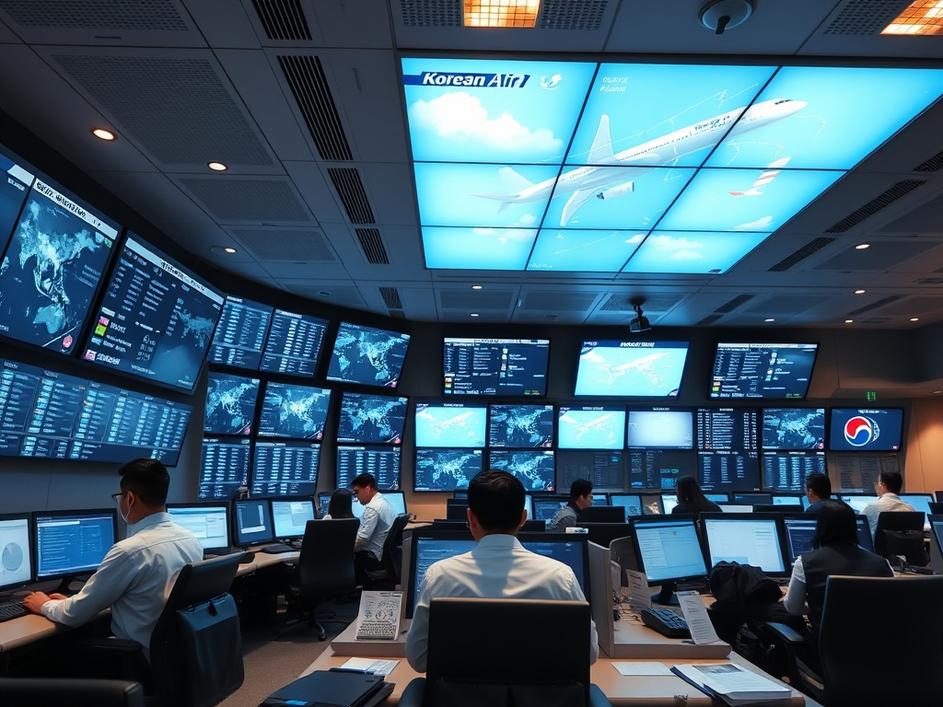
ToggleKorean Air, a major player in the global airline industry, is taking a significant step to improve how it manages its flights and crews. The airline is now using IBS Software’s iFlight platform, a move that signals a commitment to modernizing operations and boosting efficiency. This isn’t just about keeping up with the times; it’s about getting ahead in a competitive market where every minute and every resource counts.
The iFlight platform is a comprehensive software solution designed for airlines. It covers everything from flight scheduling and dispatch to crew management and operations control. Think of it as a central nervous system for an airline, helping different departments communicate and coordinate their activities seamlessly. By integrating these functions, iFlight aims to provide a clearer picture of the entire operation, enabling better decision-making and faster responses to unexpected events.
For Korean Air, implementing iFlight means several potential benefits. First, it could lead to significant cost savings. By optimizing flight schedules and crew assignments, the airline can reduce fuel consumption, minimize delays, and make better use of its resources. Second, it can improve operational efficiency. With real-time data and automated processes, Korean Air can respond more quickly to disruptions, such as bad weather or aircraft maintenance issues. This can translate to fewer flight cancellations and delays, resulting in happier passengers. And, of course, optimized crew management ensures compliance with regulations and improves the well-being of flight staff, ultimately contributing to a safer and more reliable flying experience.
This deployment also highlights the growing role of artificial intelligence (AI) in the aviation industry. IBS Software emphasizes that iFlight is an AI-driven platform, suggesting it uses machine learning algorithms to analyze data, predict trends, and automate tasks. AI has the potential to revolutionize airline operations. Imagine AI systems that can predict equipment failures before they happen, optimize flight routes in real-time based on weather conditions, or personalize passenger experiences based on individual preferences. While we are not quite at that level of sophistication across the board, Korean Air’s adoption of iFlight indicates a willingness to embrace these technologies and explore their possibilities.
Implementing a new software platform of this scale is never without its challenges. Korean Air will need to ensure that its employees are properly trained to use the system and that the platform integrates seamlessly with its existing IT infrastructure. Data migration, change management, and potential resistance from employees are all factors that need to be carefully managed. But if Korean Air can overcome these hurdles, the rewards could be substantial. Beyond cost savings and efficiency gains, iFlight could enable the airline to offer new and innovative services to its customers, differentiate itself from its competitors, and solidify its position as a leader in the aviation industry.
Korean Air’s adoption of IBS Software’s iFlight platform is more than just a technology upgrade; it’s a strategic move that reflects the changing landscape of the airline industry. As airlines face increasing pressure to reduce costs, improve efficiency, and enhance customer satisfaction, they are turning to technology for solutions. AI-powered platforms like iFlight are becoming essential tools for managing complex operations, making data-driven decisions, and staying ahead of the curve. The future of flight will be shaped by these kinds of innovations, and Korean Air is positioning itself to be at the forefront of this transformation. This implementation underscores the ongoing shift toward smarter, more connected, and more efficient air travel. While passengers might not immediately see the impact of this behind-the-scenes change, they will likely benefit from smoother operations, fewer delays, and ultimately, a more pleasant flying experience. As more airlines follow suit, we can expect to see even greater advancements in the way flights are managed, leading to a more reliable and sustainable future for the industry.



Comments are closed