

We are a digital agency helping businesses develop immersive, engaging, and user-focused web, app, and software solutions.
2310 Mira Vista Ave
Montrose, CA 91020

2500+ reviews based on client feedback
What's Included?
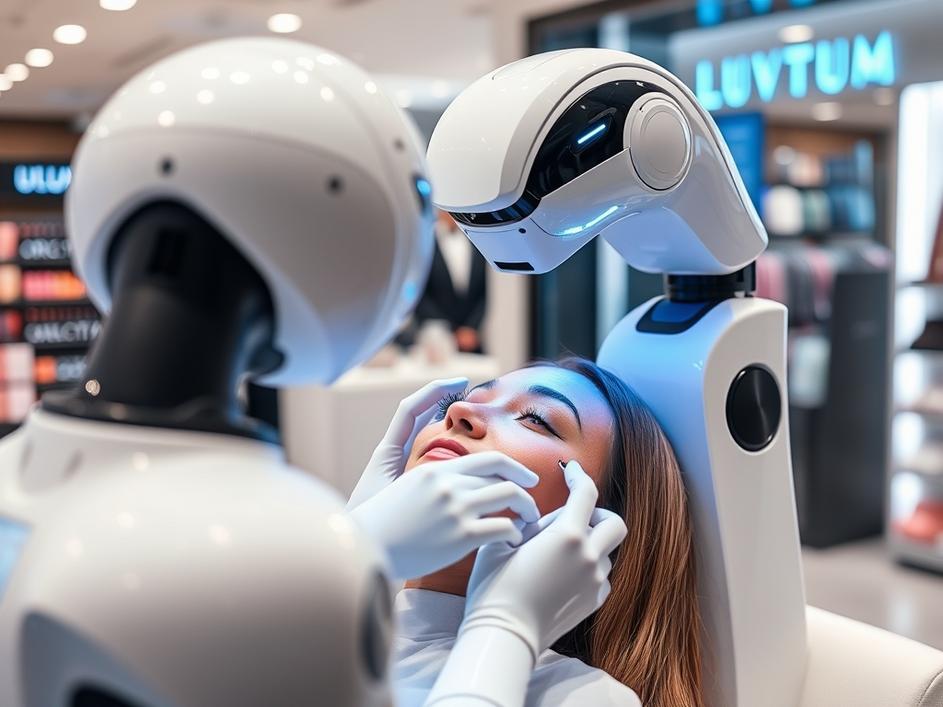
ToggleImagine getting a full set of lash extensions in a fraction of the time it currently takes. That’s the promise of LUUM, a company that’s just launched its next-generation, AI-powered lash robot. Forget spending hours in a salon chair; LUUM claims their technology can cut service time by a whopping 75%. This isn’t just a minor improvement; it’s a complete overhaul of the lash extension experience.
Details are still a bit scarce on the exact mechanics. However, the core idea revolves around using artificial intelligence to precisely and quickly apply individual lashes. Presumably, the robot utilizes advanced image recognition and robotic arms to achieve this level of accuracy and speed. The AI likely analyzes the client’s eye shape and natural lash line to customize the application for the best possible results. It’s the blend of robotics and AI that makes this technology so interesting. It’s not just about automating a process; it’s about automating it with a degree of personalization that rivals a human technician.
LUUM’s announcement isn’t just about the technology itself. The company has also revealed an expansion plan that includes partnerships with major retailers like Ulta Beauty and Nordstrom. These partnerships will bring LUUM’s lash robots to locations in California, Texas, and New York. This is a huge vote of confidence for LUUM and suggests that these big players see real potential in automated lash services. For consumers, it means easier access to this new technology, making it more than just a futuristic concept.
Let’s face it: getting lash extensions is time-consuming and often expensive. If LUUM’s robot can truly reduce service time by 75%, that’s a massive win for busy people. And speed isn’t the only potential benefit. Robots, in theory, can deliver more consistent results than humans. No more worrying about a technician having an off day or struggling to match the lashes on both eyes perfectly. There is also the possibility that these efficiencies could translate to lower prices for consumers, making lash extensions more accessible to a wider audience. Now, it’s difficult to say if they’ll pass those savings on, but it’s always a possibility that this kind of efficiency can mean more affordable beauty treatments.
Of course, any discussion about automation raises concerns about job displacement. Will LUUM’s robot put lash technicians out of work? It’s a valid question. While some technicians might feel threatened, it’s also possible that this technology could change the nature of their jobs. Instead of spending hours applying individual lashes, technicians could focus on consultations, customization, and other services that require a human touch. There is also the question of whether these machines can adapt to the variety of different eye shapes, sizes, and lash types that different people have. LUUM is likely to need a skilled technician on hand to make sure that the process goes smoothly, and address any needs the AI can’t. Ultimately, it’s likely that human lash techs and lash robots will coexist, and the role of the technician will evolve.
LUUM’s lash robot could be just the beginning. If this technology proves successful, it could pave the way for automation in other areas of the beauty industry. Imagine robots that can apply makeup with flawless precision or perform other intricate beauty treatments. The possibilities are endless. The public will always want treatments done by humans, but there is certainly room for AI and robots to step in to fill certain gaps and make beauty services more widely available to the population.
LUUM’s AI-powered lash robot represents a significant leap forward in beauty technology. While questions remain about its long-term impact on the industry and the role of human technicians, the potential benefits of faster, more consistent, and potentially more affordable lash services are undeniable. With partnerships with major retailers already in place, it seems that automated lash extensions are poised to become a reality for many consumers. As the technology evolves, it will be interesting to see how it shapes the future of the beauty industry as a whole.



Comments are closed