

We are a digital agency helping businesses develop immersive, engaging, and user-focused web, app, and software solutions.
2310 Mira Vista Ave
Montrose, CA 91020

2500+ reviews based on client feedback
What's Included?
ToggleLatin America’s digital marketplace is heating up, and it’s predicted to surge past $215 billion in the near future. That’s a massive number, showing just how much online shopping is taking off south of the border. What’s fueling this explosive growth? Well, a big part of it comes down to one thing: speed. Consumers in Latin America, just like everywhere else, want their stuff fast. And companies that can deliver quickly are the ones winning the game.
Think about it – when you order something online, you want it yesterday, right? That expectation is even more pronounced in regions where traditional retail infrastructure might not be as developed or widespread. E-commerce offers convenience and access to a wider variety of products, but only if it can deliver on the promise of quick and reliable shipping. For many Latin American consumers, online shopping isn’t just about convenience; it’s about getting access to goods they might not otherwise be able to find locally. This makes rapid delivery even more critical.
One company that’s been capitalizing on this trend is MercadoLibre. As the dominant e-commerce platform in Latin America, they’ve been investing heavily in their logistics and delivery networks. This gives them a significant advantage over smaller players who might struggle to compete on speed and reliability. MercadoLibre’s success isn’t just about being the biggest; it’s about understanding what consumers want and building the infrastructure to deliver it. Their continued focus on improving delivery times is a key factor in their sustained growth.
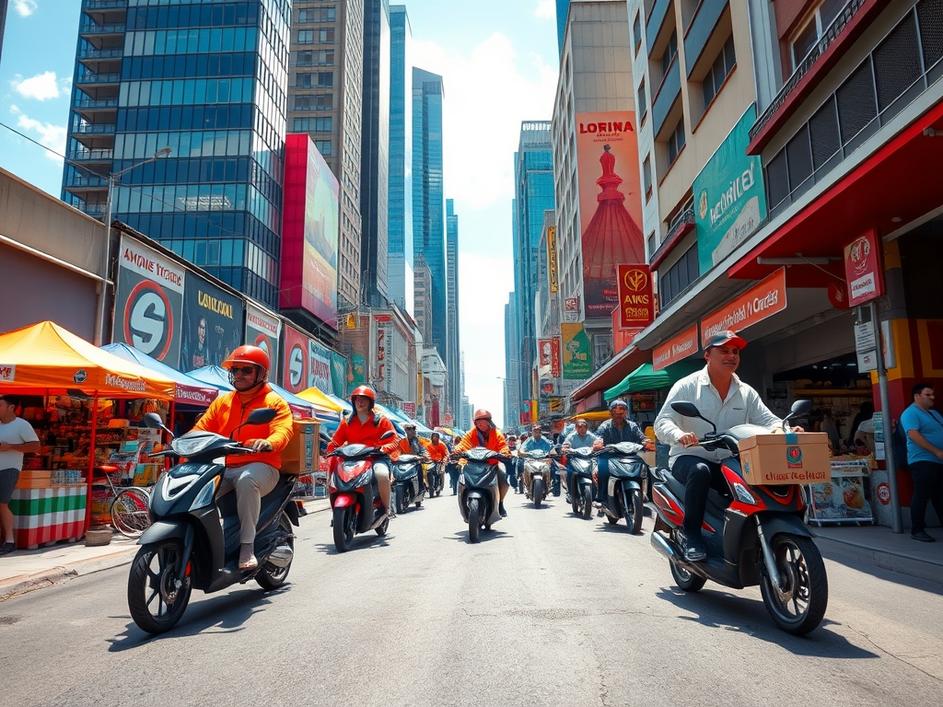
But it’s not just about slapping a label on a box and hoping for the best. Latin America presents unique logistical challenges. Infrastructure can be spotty, transportation networks can be unreliable, and navigating customs and regulations can be a headache. Companies that want to succeed in this market need to be creative and resourceful. This might involve building their own delivery networks, partnering with local carriers, or even using innovative solutions like drones or electric vehicles in certain areas. Overcoming these challenges is essential for providing the rapid delivery that consumers demand.
The e-commerce boom isn’t just benefiting big players like MercadoLibre. It’s also creating opportunities for smaller businesses to reach a wider audience. Online platforms provide a level playing field, allowing local shops to compete with larger retailers. And with the rise of cross-border e-commerce, consumers in Latin America are now able to access products from all over the world. This increased competition is driving innovation and pushing companies to improve their services, including delivery times.
For e-commerce in Latin America to truly reach its full potential, continued investment in infrastructure is crucial. This includes improving roads, expanding internet access, and streamlining customs procedures. Governments and private companies need to work together to create a more efficient and reliable logistics ecosystem. Better infrastructure will not only benefit e-commerce businesses but also create jobs and stimulate economic growth throughout the region.
Much of this e-commerce growth is being fueled by mobile devices. Smartphones are incredibly popular in Latin America, and they’re often the primary way people access the internet. This means that e-commerce platforms need to be optimized for mobile devices, with user-friendly interfaces and seamless payment options. Companies that prioritize mobile commerce are the ones that will be best positioned to capture the growing market share.
Looking ahead, the future of e-commerce in Latin America looks bright. As internet penetration continues to increase and more consumers embrace online shopping, the market is only going to get bigger. Companies that can adapt to the unique challenges and opportunities of the region, prioritize rapid delivery, and invest in mobile commerce will be the ones that thrive. The potential for growth is enormous, and Latin America is poised to become a major player in the global e-commerce landscape.
Ultimately, the success of e-commerce in Latin America hinges on more than just speed. It’s about building trust and reliability. Consumers need to feel confident that their orders will arrive on time and in good condition. This requires not only efficient logistics but also excellent customer service and transparent communication. Companies that can build a strong reputation for reliability will be the ones that earn the loyalty of Latin American consumers and secure their long-term success in this dynamic market.
The key takeaway here is simple: Latin American consumers are demanding rapid delivery, and companies that can’t keep up will be left behind. It’s a competitive landscape, but the rewards are significant for those who can deliver – both literally and figuratively. By focusing on speed, reliability, and customer service, e-commerce businesses can tap into the enormous potential of the Latin American market and drive sustained growth for years to come.



Comments are closed