Why AI Training Matters for the Air Force
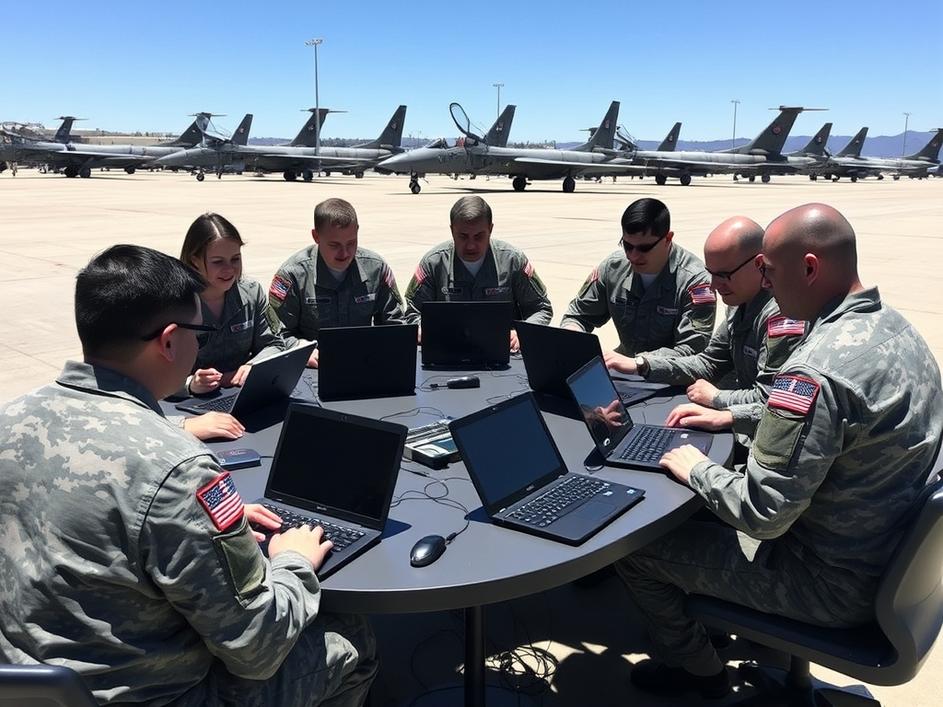
On August 5, 2026, a group of Airmen gathered at Travis Air Force Base for a hands‑on artificial‑intelligence workshop. The event was more than a classroom lecture; it was a chance for service members to see how AI can help them in everyday missions. In a world where data moves faster than any aircraft, knowing how to read, interpret, and act on that data is becoming as essential as piloting a plane. The training gave participants a glimpse of the tools that could soon sit on every flight line, helping to spot maintenance issues, optimize flight routes, and even predict weather changes before they become a problem.
The Phoenix Spark Innovation Cell Steps In
The Phoenix Spark Innovation Cell, a small but active group within the Air Force, organized the session. Their goal is to bring new ideas from the lab to the people who actually use them. By hosting the AI workshop, they showed how a focused team can bridge the gap between research and real‑world use. The cell set up a series of stations where Airmen could experiment with machine‑learning models, run simulations, and see immediate results. This hands‑on approach is different from traditional briefings, where the information often stays abstract.
What the Airmen Actually Did
During the day, participants split into small teams and tackled three main exercises. First, they fed aircraft maintenance logs into a simple algorithm that highlighted parts most likely to fail soon. The second task involved a simulated mission where a virtual squadron had to reroute around a sudden storm, using AI‑generated forecasts to choose the safest path. The final activity let them experiment with a chatbot that could answer technical questions about aircraft systems. Each exercise was designed to be short enough to keep attention, but deep enough to show real value.
Teamwork Makes the Learning Stick
One of the most noticeable aspects of the training was how the Airmen leaned on each other. Some came with a background in computer science, while others were seasoned pilots or maintainers. When a pilot struggled with a code snippet, a tech‑savvy teammate stepped in, and vice versa. This cross‑pollination of skills turned the workshop into a mini‑community of problem solvers. It also mirrored how future operations might look: mixed crews using AI tools to make faster, more informed decisions.
Why This Could Change Daily Operations
From my perspective, the real impact of this kind of training is its ripple effect. When a handful of Airmen become comfortable with AI, they can share that knowledge with their units, spreading the capability without a massive top‑down rollout. It also builds confidence. If a mechanic knows that an algorithm can flag a worn‑out part before it causes a delay, they are more likely to trust and adopt the technology. Over time, this could shorten maintenance cycles, improve mission readiness, and free up personnel for tasks that still need a human touch.
Looking Ahead
The Travis Base workshop is a small step, but it signals a larger shift in how the Air Force is preparing its people for a data‑rich future. As AI tools become more sophisticated, the need for practical, on‑the‑ground training will only grow. The Phoenix Spark Innovation Cell’s approach—mixing real‑world scenarios with collaborative learning—offers a model that other bases could follow. If the Air Force continues to invest in these kinds of programs, we may soon see AI becoming as routine as a pre‑flight checklist.
Source: Original Article






Comments are closed