

We are a digital agency helping businesses develop immersive, engaging, and user-focused web, app, and software solutions.
2310 Mira Vista Ave
Montrose, CA 91020

2500+ reviews based on client feedback
What's Included?
ToggleLiberty Global, a major player in the world of cable and internet services, has just announced a significant partnership with Google Cloud. This isn’t just a minor deal; it’s a five-year agreement aimed at shaking up how Liberty Global delivers entertainment and connectivity to its customers. The collaboration, unveiled recently, suggests a deep integration of Google’s artificial intelligence (AI) capabilities into Liberty Global’s existing infrastructure. What does this mean for you, the viewer, and what implications does it hold for the broader media landscape?
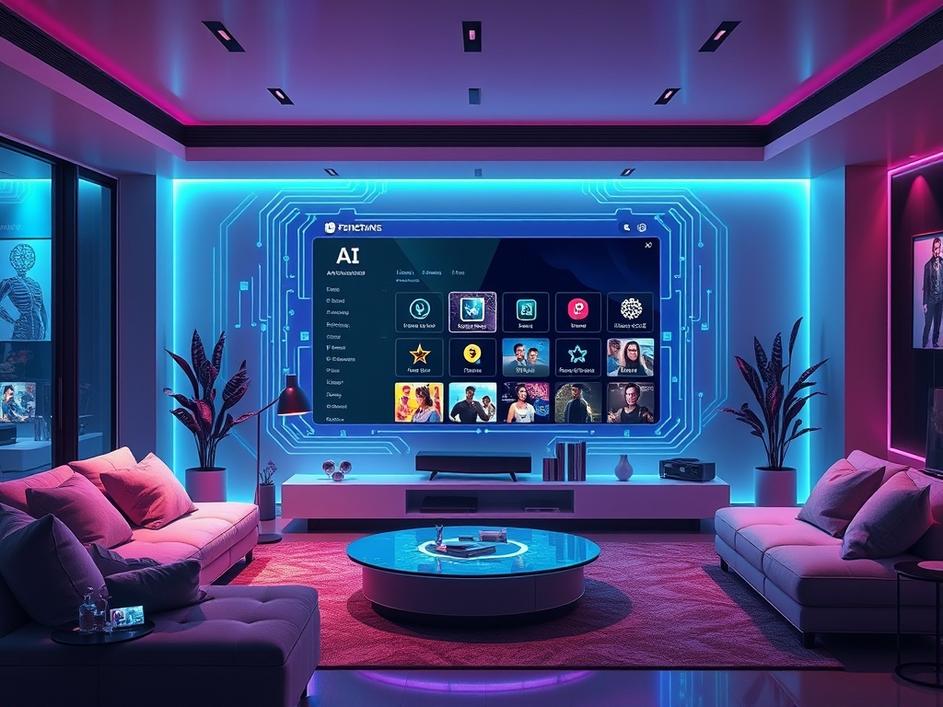
At its core, this partnership is about using AI to improve the viewing experience and streamline operations. Liberty Global intends to use Google Cloud’s AI tools to personalize content recommendations, making it easier for viewers to find what they want to watch. Imagine your TV guide knowing exactly what kind of movies or shows you enjoy, presenting them right at the top of the screen. This goes beyond simple algorithms; it’s about using sophisticated AI to understand viewing habits and preferences on a much deeper level. And the benefits extend beyond just personalized recommendations. The partnership also aims to improve network performance, predict potential outages, and enhance customer service through AI-powered chatbots and virtual assistants.
While the consumer-facing improvements are exciting, a significant part of this deal focuses on the less visible, but equally important, aspects of Liberty Global’s operations. By migrating more of its infrastructure to Google Cloud, Liberty Global hopes to achieve greater efficiency and scalability. Think of it like moving from a small office to a large, modern one with all the latest technology. This allows for better resource allocation, reduced costs, and the ability to adapt quickly to changing market demands. For example, AI can be used to monitor network traffic in real-time, identifying and resolving potential bottlenecks before they impact customers. It can also automate many of the routine tasks currently performed by human employees, freeing them up to focus on more complex and strategic initiatives.
This partnership also underscores the increasing importance of AI and cloud computing in the media and telecommunications industries. Companies are racing to adopt these technologies to stay ahead of the curve and compete effectively in a rapidly evolving market. By teaming up with Google Cloud, Liberty Global gains access to cutting-edge AI tools and expertise that would be difficult and costly to develop in-house. This gives them a significant competitive advantage over rivals who are slower to embrace these new technologies. It will be interesting to see how other major players in the industry respond to this move. Will they forge similar partnerships, or will they attempt to build their own AI capabilities from scratch?
So, what can you, the viewer, expect from this partnership? In the short term, you might not notice any immediate changes. However, over the next few years, you can anticipate a more personalized and seamless entertainment experience. Expect to see better recommendations, fewer technical glitches, and more responsive customer service. Imagine a future where your TV knows exactly what you want to watch before you even turn it on, and where any technical issues are resolved automatically, without you having to lift a finger. That’s the promise of this partnership. And the AI features don’t only have to apply to TV. Google Cloud AI could help with providing more stable and reliable internet access, which is becoming increasingly vital.
Of course, there are also potential challenges to consider. One concern is data privacy. As Liberty Global collects more data about viewing habits, it’s important to ensure that this data is protected and used responsibly. Viewers need to be confident that their personal information is not being misused or shared without their consent. Another challenge is the potential for algorithmic bias. AI algorithms are only as good as the data they are trained on, and if that data reflects existing biases, the algorithms could perpetuate those biases. For example, an AI-powered recommendation system could inadvertently steer viewers towards certain types of content while excluding others. So, the long-term success of this partnership will depend on Liberty Global’s ability to address these challenges and build trust with its customers.
The collaboration between Liberty Global and Google Cloud is more than just a business deal; it’s a glimpse into the future of entertainment. It demonstrates the transformative potential of AI and cloud computing to revolutionize how we consume media and interact with technology. As AI continues to evolve, we can expect even more personalized, immersive, and seamless entertainment experiences. From personalized recommendations to AI-powered customer service, the possibilities are endless. This partnership is a bold step forward, and it will be fascinating to watch how it unfolds in the years to come.
Ultimately, this partnership highlights a growing trend: the convergence of media, technology, and artificial intelligence. Companies that can successfully integrate these three elements will be best positioned to thrive in the future. The deal between Liberty Global and Google Cloud is a clear signal that the future of television is not just about content; it’s about using technology to deliver that content in a more personalized, efficient, and engaging way. As AI continues to advance, expect to see even more innovative partnerships and collaborations that transform the entertainment landscape.


Comments are closed