

We are a digital agency helping businesses develop immersive, engaging, and user-focused web, app, and software solutions.
2310 Mira Vista Ave
Montrose, CA 91020

2500+ reviews based on client feedback
What's Included?
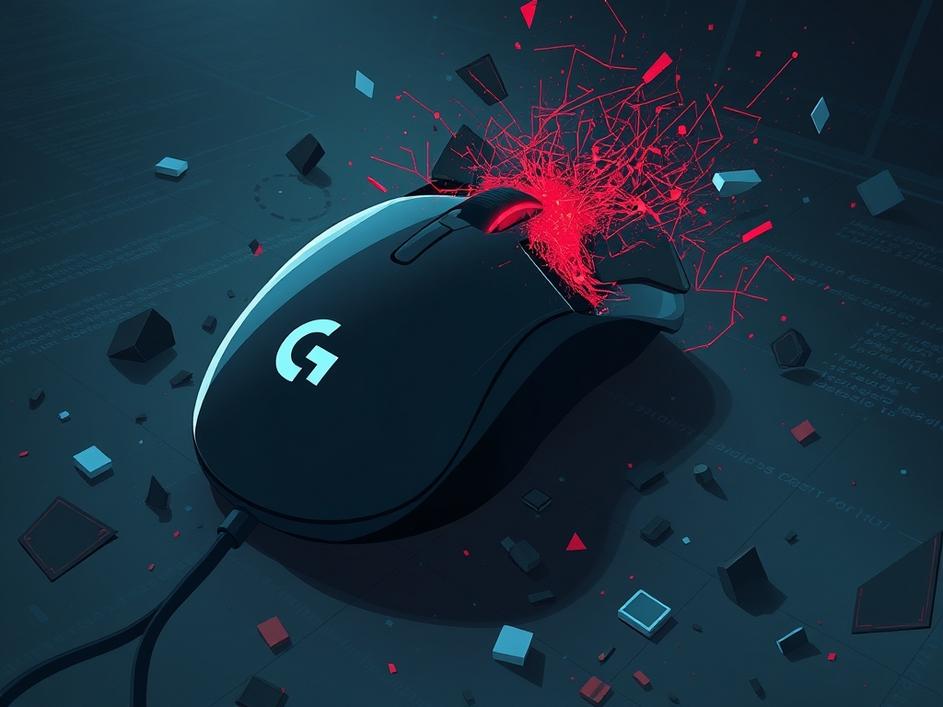
ToggleRecently, Logitech, a well-known name in computer peripherals and accessories, confirmed it experienced a data breach. This wasn’t just any ordinary security slip-up; it was the result of a zero-day exploit, meaning hackers found and used a vulnerability before Logitech’s security team even knew it existed. That’s a scary scenario for any company, and even more so for its users.
Details are still emerging, but the core issue is that cybercriminals exploited a previously unknown weakness in Logitech’s systems. This allowed them to gain unauthorized access, potentially compromising sensitive data. While the company is still investigating the full scope of the breach, the initial confirmation raises serious concerns about what information might have been exposed. A zero-day exploit is especially dangerous because traditional security measures, like antivirus software or intrusion detection systems, are often ineffective against them initially.
This is the big question, and unfortunately, it’s one that might take some time to fully answer. Logitech hasn’t released specifics on what data was accessed, but potential targets could include customer names, addresses, email addresses, phone numbers, and even payment information. Internal company data, such as product designs, financial records, and employee information, could also be at risk. It’s a waiting game to see the extent of the damage, and that uncertainty is unsettling for everyone involved.
If you’re a Logitech customer, it’s wise to take precautions. Start by changing your Logitech account password immediately. Use a strong, unique password that you haven’t used on any other websites. It’s also a good idea to enable two-factor authentication (2FA) on your account if you haven’t already. This adds an extra layer of security, requiring a verification code from your phone or email in addition to your password. Monitor your bank accounts and credit card statements for any suspicious activity. Be wary of phishing emails or phone calls that might try to trick you into providing personal information. Scammers often capitalize on data breaches by posing as legitimate companies and trying to steal your data directly. So be alert for unusual emails or messages requesting personal data.
This breach highlights the ongoing challenge that companies face in protecting themselves against increasingly sophisticated cyberattacks. Even organizations with significant security resources can fall victim to zero-day exploits. It underscores the need for a multi-layered security approach that includes proactive threat hunting, robust vulnerability management, and constant monitoring of systems for suspicious activity. Furthermore, it emphasizes the importance of collaboration between companies and security researchers to quickly identify and address vulnerabilities before they can be exploited. The rise in sophisticated attacks, sometimes coordinated on a global scale, means no company is entirely immune. This incident is a good reminder for individuals as well as businesses that a strong security posture requires diligence and awareness. Operation Endgame, while showing promise, still can’t stop every attack.
This event underscores a crucial aspect of modern cybersecurity: vendor security. We often think about securing our own systems and data, but we also need to consider the security practices of the companies we do business with. Logitech, in this case, is a vendor to millions of consumers. If a vendor has weak security, it can create a backdoor for attackers to access customer data. Companies need to carefully vet their vendors and ensure they have adequate security measures in place. This includes things like security audits, penetration testing, and employee training. Supply chain attacks, where hackers target a vendor to gain access to their customers, are becoming increasingly common, so vendor security is no longer optional – it’s essential.
Preventing all cyberattacks is impossible, but there are steps that companies and individuals can take to minimize their risk. For companies, this includes investing in advanced security technologies like endpoint detection and response (EDR) and security information and event management (SIEM) systems. These tools can help detect and respond to threats more quickly. They need to implement strong access controls to limit who has access to sensitive data. Regular security awareness training for employees is also crucial, as human error is often a factor in data breaches. Individuals can protect themselves by using strong, unique passwords, enabling two-factor authentication, and being cautious about clicking on links or opening attachments in emails from unknown senders. Keeping software up to date is also important, as updates often include security patches that address known vulnerabilities. The threat landscape is constantly evolving, so security measures need to be constantly updated as well.
The Logitech data breach serves as a stark reminder of the ever-present threat of cybercrime. It’s a wake-up call for companies to prioritize security and for individuals to take proactive steps to protect their personal information. In an increasingly interconnected world, cybersecurity is everyone’s responsibility.


Comments are closed