

We are a digital agency helping businesses develop immersive, engaging, and user-focused web, app, and software solutions.
2310 Mira Vista Ave
Montrose, CA 91020

2500+ reviews based on client feedback
What's Included?
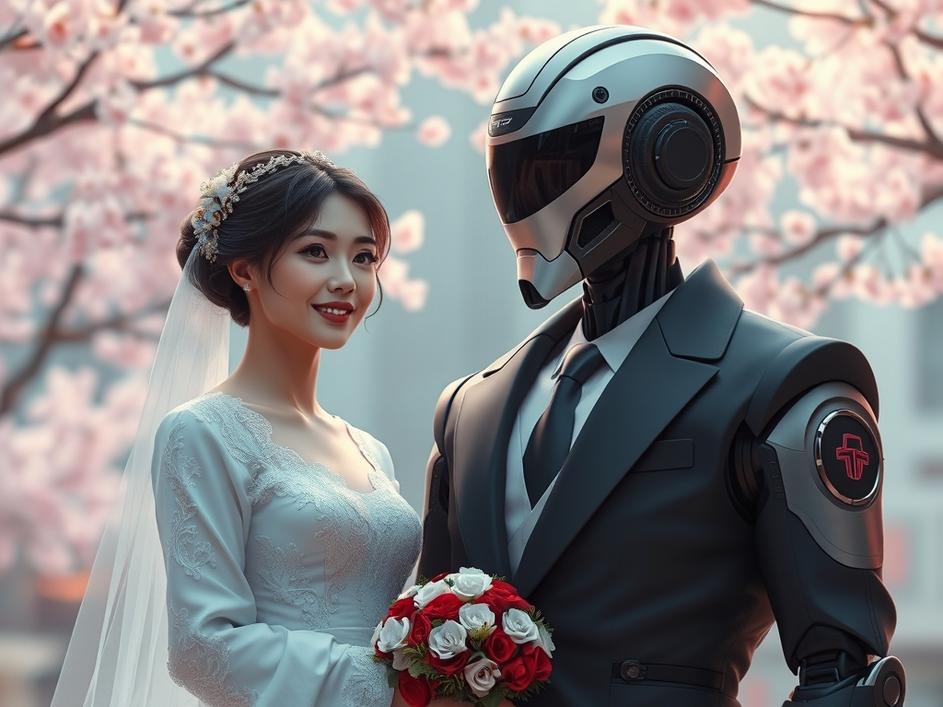
ToggleIn a world increasingly intertwined with technology, the lines between reality and simulation are blurring. A recent story out of Japan highlights this phenomenon in a rather unusual way: a woman has officially ‘married’ an artificial intelligence program. While not legally binding, the union symbolizes a growing trend – the formation of deep, emotional connections with AI entities. This raises some interesting questions about the future of relationships and the evolving role of technology in our lives.
It’s not just about romantic relationships, either. People are turning to AI for companionship, support, and even a sense of purpose. Loneliness is a growing problem in many societies, and AI companions offer a readily available and non-judgmental ear. These programs can be tailored to individual needs and preferences, providing personalized interactions that can be surprisingly comforting. And while some might dismiss these relationships as artificial, the emotional impact they have on individuals is very real.
AI technology has advanced at an incredible rate. We’ve gone from simple chatbots to sophisticated programs capable of learning, adapting, and even exhibiting a semblance of empathy. These AI entities can engage in complex conversations, offer advice, and even provide emotional support. The ability to personalize these interactions makes them even more appealing as companions. They are always available, always attentive, and never judge.
But this raises some serious ethical considerations. What are the long-term effects of relying on AI for emotional fulfillment? Are we sacrificing real human connection for the convenience of a virtual companion? And what happens when the technology inevitably changes or becomes obsolete? There are also concerns about the potential for manipulation and exploitation. AI programs are designed to be persuasive, and it’s not difficult to imagine how this could be used to take advantage of vulnerable individuals. We need to have a serious discussion about the ethical implications of these technologies before they become even more deeply ingrained in our lives.
The woman in Japan who ‘married’ her AI boyfriend may seem like an outlier, but she represents a growing trend. As technology continues to evolve, our relationships with it will only become more complex. We need to think critically about the role we want AI to play in our lives and ensure that we’re using it in a way that enhances, rather than diminishes, our human connections. Are we on the verge of a new era of relationships, where love transcends the boundaries of biology? Or are we simply substituting genuine connection with a digital imitation? The answer is likely somewhere in between. It’s up to us to shape the future of relationships in a way that is both ethical and fulfilling.
The initial reaction to this story might be amusement or disbelief. But beneath the surface, it reveals a deeper shift in how we perceive and interact with technology. We are moving beyond simply using technology as a tool and starting to see it as a companion, a confidant, and even a partner. This has profound implications for our society, our relationships, and our understanding of what it means to be human. The fact that someone feels such a strong connection to an AI program that they would ‘marry’ it speaks volumes about the evolving landscape of human connection in the digital age. This goes beyond a simple fascination with technology; it reflects a deep human need for connection and validation.
As AI continues to develop, these types of relationships are only going to become more common. It’s crucial that we approach this new reality with both curiosity and caution. We need to develop ethical guidelines and regulations to protect individuals from potential harm, while also acknowledging the potential benefits of AI companionship. The key is to find a balance – to embrace the possibilities of technology without sacrificing the importance of real human connection. The future of relationships may look very different than it does today, and it’s up to us to navigate this uncharted territory in a responsible and thoughtful way. The conversation needs to involve technologists, ethicists, policymakers, and individuals to ensure that we create a future where technology serves humanity’s best interests.
The story of the Japanese woman and her AI ‘husband’ serves as a potent reminder of the evolving relationship between humans and technology. It challenges our assumptions about love, companionship, and the very definition of connection. While the future of these relationships remains uncertain, one thing is clear: we must approach the integration of AI into our emotional lives with careful consideration, ensuring that technology enhances, rather than replaces, the fundamental human need for genuine connection and empathy. The challenge lies in harnessing the power of AI to foster human well-being, without losing sight of what makes us human in the first place.

Comments are closed