Understanding the Problem with Healthcare Data
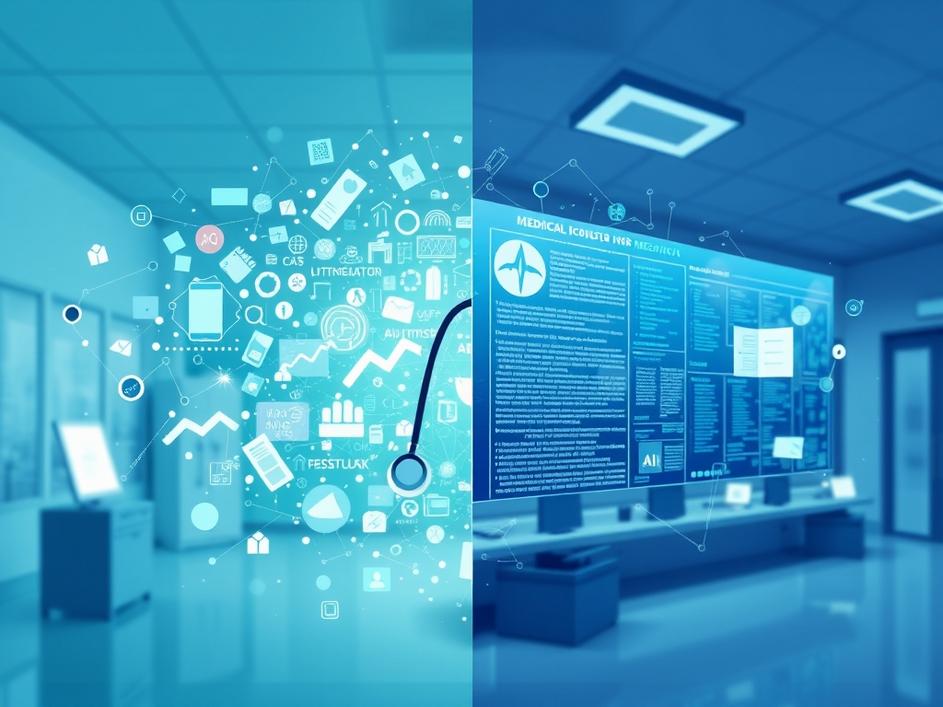
Healthcare generates a massive amount of information every day. Doctors, nurses, and staff write notes, reports, test results, and more. But much of this information is written in ways that computers don’t easily understand. This unstructured data is often locked away in different formats and systems, making it hard to use efficiently. Because of this, hospitals and clinics might miss important insights that could improve patient care or reduce costs. It’s like having a treasure chest but no map to find the gold inside.
Introducing emtelligent’s Medical Language Engine
Recently, emtelligent, a company known for working with clinical data, announced their new medical language engine. This isn’t just another software tool; it’s designed to handle the complexity of healthcare language. The engine can go through messy, unorganized data and turn it into clear, structured information. This means it can understand what doctors mean when they use shorthand, medical jargon, or incomplete sentences. By doing this on a large scale, it helps healthcare providers get a clearer picture of patient health and operational needs.
Why a Scalable and Cost-Effective Solution Matters
One of the standout points about emtelligent’s new product is that it is built to scale and not break the bank. Many AI tools in healthcare are expensive and require a lot of technical upkeep. Smaller hospitals or clinics might not be able to afford them, meaning only bigger health networks benefit. emtelligent aims to change that by offering a solution that grows with an organization’s needs and fits various budgets. This approach could help bridge the gap between large hospital systems and smaller providers, giving more patients a better chance at higher quality care.
Possible Impact on Healthcare Workflow and Decision-Making
By converting unstructured data into usable insights, the language engine can improve how healthcare professionals work daily. For example, emergency department staff could quickly access critical patient information buried in doctor’s notes. Researchers could analyze trends across millions of cases to identify risks or treatment successes. Administrators might see patterns that highlight inefficiencies or cost-saving opportunities. It’s about making the flood of information manageable so that decisions are informed and timely.
Looking Ahead: Challenges and Opportunities
While the potential is exciting, it’s worth keeping a few things in mind. Implementing a new AI system in healthcare comes with hurdles—like ensuring data privacy, integrating with existing systems, and gaining trust from medical staff. emtelligent’s engine will need strong support and continuous improvement to realize its full benefits. Still, the direction it points to is promising. As healthcare continues to generate more data, tools like this will be essential for turning raw information into knowledge that helps patients.
In summary, emtelligent’s new medical language engine tackles a major challenge in healthcare—making sense of scattered, complicated data. Its focus on scalability and cost gives it a practical edge that could see widespread adoption. If it lives up to expectations, this technology might be a key part of the future healthcare puzzle, supporting providers in delivering smarter, faster, and more patient-centered care.






Comments are closed