The Unexpected Star of Chery’s Innovation Conference
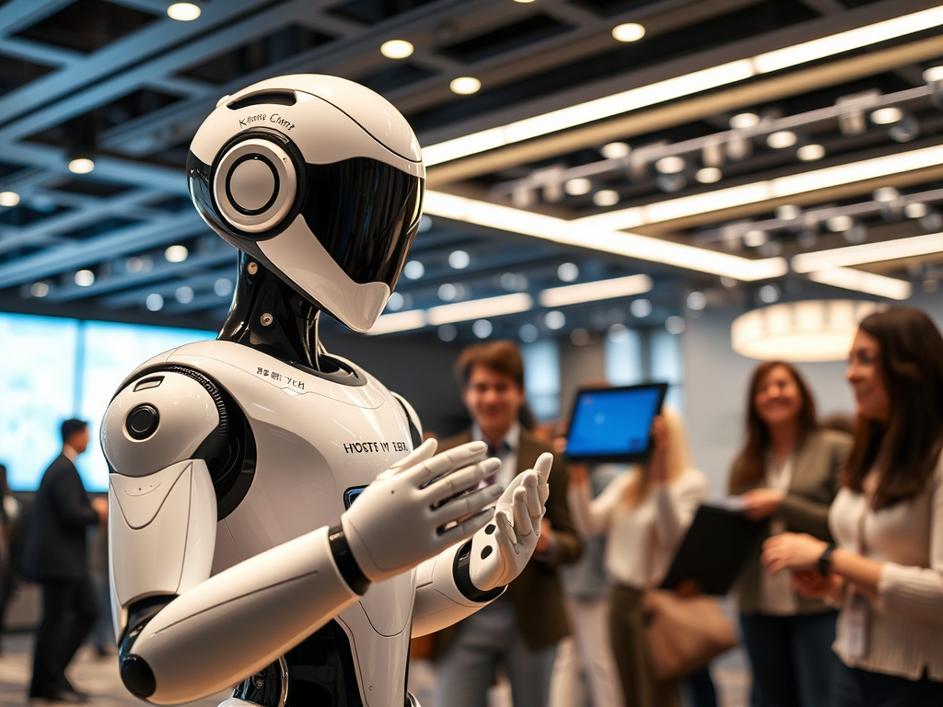
At the 2025 Chery Global Innovation Conference held in Wuhu, China, the spotlight wasn’t just on the latest automotive technologies. Instead, attention shifted to an intelligent robot called Mornine, developed by AiMOGA Robotics. What made this robot stand out wasn’t just its impressive design or polished presentation skills—it was Mornine’s ability to perform tasks much like a human assistant, moving beyond simple demonstration to offer full-service reception capabilities. This wasn’t just a flashy tech demonstration; it hinted at how robotics can integrate into daily human interactions.
More Than Just a Presentation Slide
Usually, conference robots serve as eye-catching mascots or smooth presenters who deliver information in a controlled setting. Mornine broke this mold by actively engaging with guests—offering guidance, answering questions naturally, and managing practical tasks such as attendee reception. What’s striking is how well it handled these real-world interactions, showing a level of sophistication that suggests robots like Mornine could become more common in customer-facing roles. Instead of just talking about technology, Mornine became a living example of it.
Bridging the Gap Between Machines and Humans
One of the biggest challenges with service robots is whether they can genuinely connect with people and handle unpredictable situations. Mornine demonstrated an ability to adapt its behavior and respond contextually, which is a key step toward bridging that gap. Being able to guide guests through complex events or provide useful information on the fly requires more than basic programming—it takes a nuanced understanding of human needs. That’s something that could ease many customer service burdens if implemented widely.
What This Means for Businesses and Events
Using robots like Mornine as assistants could reshape how events and workplaces operate. For instance, instead of relying solely on human staff to direct visitors or answer frequent questions, a smart assistant robot can handle routine inquiries efficiently. This frees human workers to focus on more complex issues. Also, the presence of such robots adds a modern touch that can impress visitors and signal innovation. However, it’s important to consider how comfortable people feel interacting with robots in these roles and balance automation with the personal touch.
Looking Ahead: The Future of Human-Robot Collaboration
Mornine’s performance at the conference is a glimpse of what we might see more often: robots acting as helpful companions in real-world scenarios, not just as prototypes for labs or marketing stunts. The technology is advancing fast, but success will depend on designing machines that feel approachable and genuinely useful. There’s potential for robots to take on more responsibilities, but human oversight and collaboration will remain crucial. Ultimately, robots like Mornine could become trusted team members rather than just gadgets.
To sum up, the AiMOGA robot’s role at the Chery event showed how robots can move beyond programmed tasks and play meaningful parts in human environments. Watching Mornine interact naturally with people and provide hands-on assistance offers a fresh perspective on where robotics could head next. It’s a reminder that the future of technology isn’t just about machines working alone but about working with people in ways that feel natural and helpful.






Comments are closed