

We are a digital agency helping businesses develop immersive, engaging, and user-focused web, app, and software solutions.
2310 Mira Vista Ave
Montrose, CA 91020

2500+ reviews based on client feedback
What's Included?
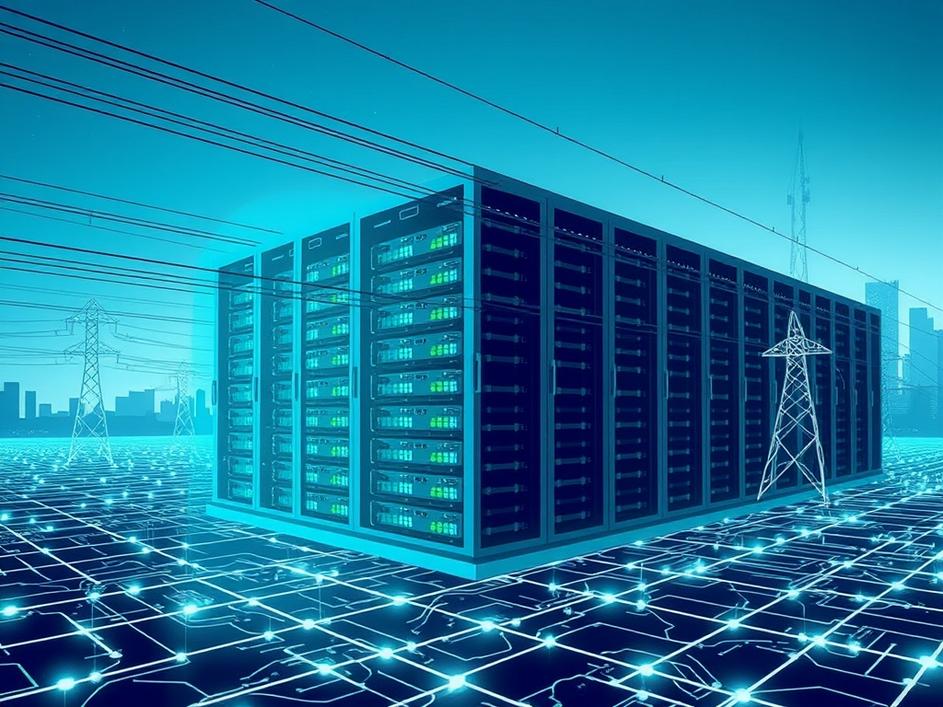
ToggleMeta, the company behind Facebook, Instagram, and WhatsApp, is reportedly exploring a venture into electricity trading. It’s a surprising move for a social media giant, but it highlights the massive energy demands of their ever-expanding data centers. These data centers are the backbone of everything Meta does, from hosting billions of photos and videos to powering the complex algorithms that drive their platforms. And all that requires a ton of electricity. So much, in fact, that they are considering buying and selling electricity themselves to ensure a steady power supply.
This isn’t just about saving a few bucks on the electric bill. For Meta, the move is strategic. They want to accelerate the construction of new power plants. By becoming an electricity trader, Meta can directly incentivize and invest in renewable energy projects. Think about it: if Meta commits to purchasing the electricity generated by a new solar farm or wind farm, it provides developers with the financial security they need to get those projects off the ground. This is especially important as Meta aims to power its operations with 100% renewable energy. Instead of simply buying electricity from existing providers, Meta is taking a proactive approach to shape the energy market to meet its specific needs.
Data centers are energy hogs. They consume massive amounts of power to keep servers running, cool equipment, and maintain a stable environment. As Meta pushes further into virtual reality and the metaverse, the energy demands will only increase. The metaverse promises immersive, interactive experiences, but these experiences require even more processing power and data storage. This translates directly into more electricity consumption. By getting into electricity trading, Meta is attempting to get ahead of the curve and secure a reliable and affordable energy supply for its future ambitions.
Electricity trading is a complex and highly regulated industry. It’s not as simple as buying low and selling high. Companies involved in electricity trading must navigate intricate regulations, manage price volatility, and ensure reliable delivery. Meta, with its roots in software and social media, lacks experience in this field. This means they’ll need to hire experts in energy markets, risk management, and regulatory compliance. There’s a definite learning curve, and there’s always the risk of making costly mistakes. Will Meta be able to successfully navigate the complexities of the electricity market, or will it prove to be a distraction from their core business?
Beyond the immediate need to power data centers, Meta’s move into electricity trading sends a strong signal about its commitment to sustainability. By investing in renewable energy projects, Meta is reducing its carbon footprint and contributing to a cleaner energy future. This is increasingly important for companies that want to attract environmentally conscious customers and investors. A commitment to sustainability can be a powerful differentiator in today’s market. And by taking a more active role in the energy market, Meta can demonstrate its seriousness about reducing its environmental impact.
Meta isn’t alone in its quest for sustainable energy solutions. Other tech giants, like Google, Amazon, and Microsoft, are also investing heavily in renewable energy and exploring innovative ways to reduce their energy consumption. This reflects a growing awareness within the tech industry of the need to address its environmental impact. As these companies continue to grow and expand their operations, they will face increasing pressure to find sustainable ways to power their data centers and other facilities. Meta’s move into electricity trading could be a sign of things to come, with more tech companies taking a more active role in the energy market.
Meta’s foray into electricity trading is a bold move that could reshape the energy landscape. It remains to be seen whether it will be successful. But if Meta can demonstrate that it’s possible for a tech company to effectively participate in the electricity market, it could inspire other companies to follow suit. This could lead to a more decentralized and sustainable energy system, with large corporations playing a more active role in shaping the future of energy. This move could be an interesting opportunity, but it needs to be carefully analyzed and tested.
Meta’s decision to explore electricity trading is intriguing, a potentially innovative response to the escalating power demands of its digital empire. Whether this venture will prove to be a stroke of genius or an overreach remains to be seen. The challenges are significant, but the potential rewards – a secure, sustainable, and cost-effective energy supply – are substantial. One thing is certain: Meta’s move has sparked a conversation about the role of tech companies in the energy market and the urgent need for sustainable solutions. The world will be watching to see if Meta can successfully plug into the electricity grid and power its future ambitions.



Comments are closed