

We are a digital agency helping businesses develop immersive, engaging, and user-focused web, app, and software solutions.
2310 Mira Vista Ave
Montrose, CA 91020

2500+ reviews based on client feedback
What's Included?
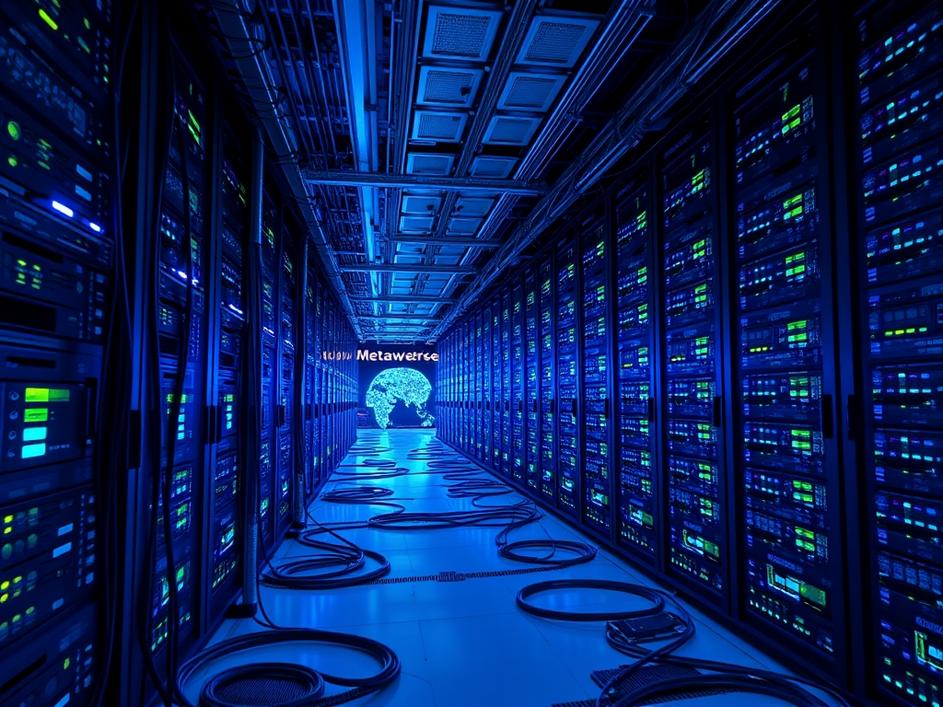
ToggleJim Cramer, the well-known financial analyst, recently voiced his concerns about Meta’s ongoing investment in data centers. He described it as a “big, hard thing to do.” It’s easy to think of data centers as just warehouses full of servers, but the reality is far more complex. These facilities are the backbone of the modern internet, especially for companies like Meta that rely on massive amounts of data for their operations. Building and maintaining them is an incredibly expensive and technically challenging endeavor. Cramer’s apprehension likely stems from the sheer scale of Meta’s ambition and the potential for things to go wrong.
Meta’s entire business model hinges on its ability to collect, store, and process vast quantities of user data. Every like, share, comment, and message contributes to this ever-growing mountain of information. This data fuels Meta’s algorithms, which in turn personalize the user experience and drive targeted advertising revenue. Without adequate data center infrastructure, Meta would struggle to support its existing services, let alone develop new ones like the metaverse. So, while the investment may seem daunting, it’s absolutely essential for Meta’s long-term survival and growth. Think of it as building the foundation for a skyscraper; you can’t build a towering structure without a solid base.
Constructing and operating data centers isn’t like building a regular office building. These facilities require specialized cooling systems to prevent servers from overheating, redundant power supplies to ensure continuous operation, and robust security measures to protect against cyberattacks. The location of a data center is also crucial, considering factors like access to reliable power sources, network connectivity, and even climate. Then there’s the environmental impact to consider. Data centers consume enormous amounts of energy, raising concerns about their carbon footprint. Meta, like other tech giants, is under increasing pressure to make its data centers more sustainable, which adds another layer of complexity and cost.
Meta’s ambitious plans for the metaverse only amplify the need for massive data center capacity. The metaverse, a persistent, shared virtual world, will require even more computing power and storage than Meta’s existing platforms. Imagine millions of users interacting in real-time, creating and sharing content, and participating in virtual experiences. All of that data needs to be processed and stored somewhere, and that somewhere is a data center. Therefore, Meta’s investment in data centers is not just about supporting its current operations; it’s about laying the groundwork for its future in the metaverse.
The question remains: Is Meta’s data center investment a risky bet or a necessary investment? On one hand, the costs are substantial, and there’s always the risk of technological obsolescence. What if a new, more efficient data storage technology emerges in the future? On the other hand, Meta can’t afford to fall behind its competitors in terms of data infrastructure. Companies like Amazon, Google, and Microsoft are also investing heavily in data centers, and Meta needs to keep pace to remain competitive. Ultimately, Meta’s success will depend on its ability to execute its data center strategy effectively and efficiently. This means building the right infrastructure in the right locations, managing costs, and staying ahead of the technological curve. It’s a high-stakes game, but one that Meta must play to win.
While headlines often focus on exciting new products or controversies, the less glamorous investments in infrastructure are often the most important. Data centers might not be as flashy as the metaverse, but they are the foundation upon which Meta’s future is being built. Cramer’s concerns are valid, as with any large capital expenditure, but they also highlight the critical role these facilities play. Meta’s ability to navigate the challenges of building and managing these data centers will be a key factor in its long-term success. It’s a testament to the fact that even in the age of virtual reality and artificial intelligence, the physical infrastructure of the internet remains essential.
Meta’s investment in data centers is a significant undertaking with far-reaching implications. It’s a testament to the company’s belief in the power of data and its commitment to building the infrastructure necessary to support its ambitious goals. While the challenges are undeniable, the potential rewards are enormous. If Meta can successfully navigate the complexities of data center construction and management, it will be well-positioned to thrive in the data-driven future. Whether Cramer’s worries are realized or not, one thing is clear: the future of Meta, and indeed the entire internet, depends on these often-overlooked cornerstones of the digital world.


Comments are closed