

We are a digital agency helping businesses develop immersive, engaging, and user-focused web, app, and software solutions.
2310 Mira Vista Ave
Montrose, CA 91020

2500+ reviews based on client feedback
What's Included?
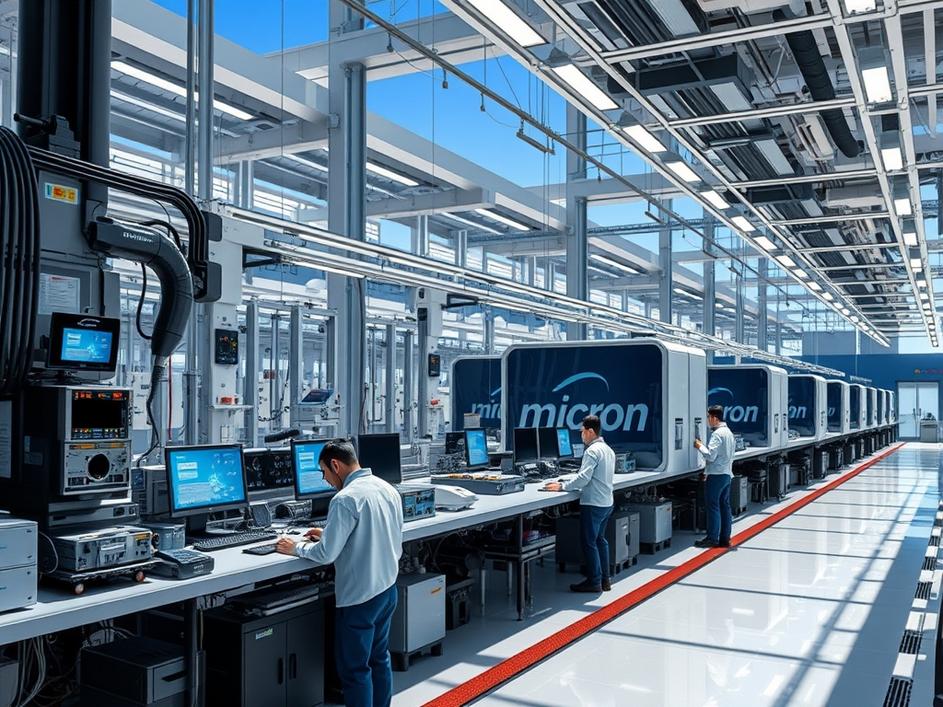
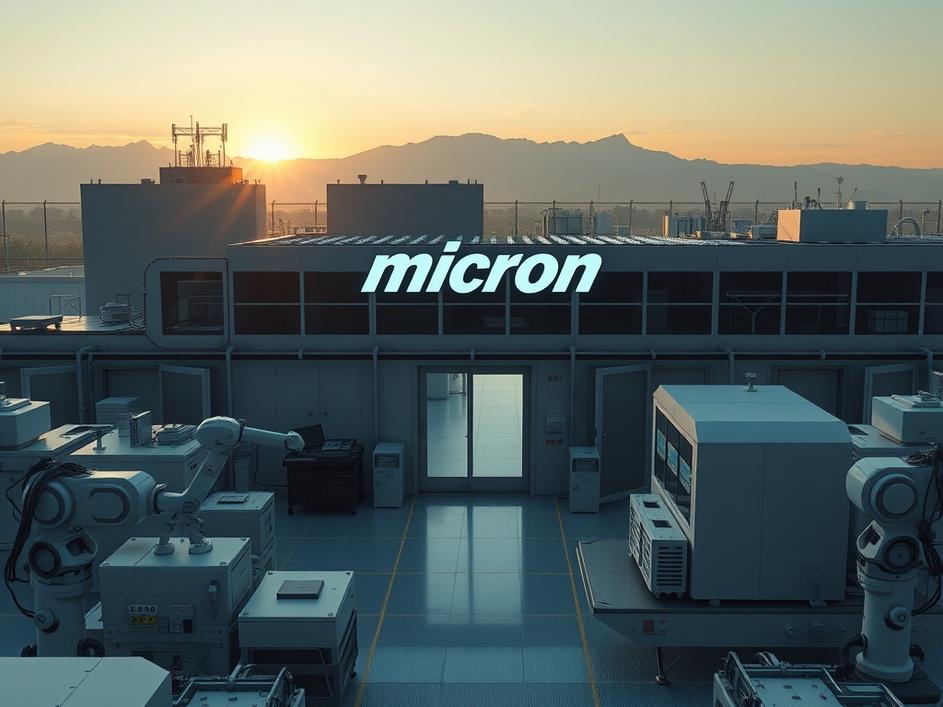
ToggleMicron Technology, a major player in the memory and storage solutions industry, is reportedly considering acquiring a display plant in Japan. This move comes as the company looks to bolster its production capacity to meet the ever-increasing global demand for memory chips. But there are also some questions about the valuation of such a deal.
In the tech world, more and more devices need memory. From smartphones and computers to data centers and AI applications, the need for memory chips is growing fast. Micron needs to increase its manufacturing capabilities to stay competitive and grab more market share. Acquiring an existing plant in Japan could be a quicker and potentially more cost-effective solution than building a new facility from the ground up. It’s like buying a house instead of building one – you can move in much faster, but there might be some renovations needed.
Choosing Japan as the location for this expansion isn’t random. Japan has a long history in electronics manufacturing and a highly skilled workforce. This can be a big advantage for Micron. Also, the Japanese government has been actively encouraging investment in the semiconductor industry through various incentives and subsidies. This makes Japan an attractive destination for companies looking to expand their chip production.
While the potential acquisition makes strategic sense, the valuation of the display plant is a key consideration. Micron will want to ensure they’re getting a fair price for the asset. Overpaying could negatively impact their financial performance and shareholder value. It’s like buying a used car – you want to get a good deal and not end up with a lemon. Due diligence and careful negotiation are essential to avoid overpaying.
Adding a new plant can mean more than just making more chips. It can lead to using better technology and improving how things are made. Micron might introduce new manufacturing processes at the plant, which could increase the quality and performance of its memory products. Also, by expanding its operations geographically, Micron can reduce its reliance on any single region and diversify its supply chain. Think of it as not putting all your eggs in one basket.
Even though there are many benefits, expanding into Japan also comes with challenges. These include integrating the new plant into Micron’s existing operations, managing cultural differences, and dealing with potential regulatory hurdles. Also, the semiconductor industry is known for its cyclical nature. There could be times when demand slows down, leading to overcapacity and price pressures. Micron needs to be prepared to manage these risks effectively.
Micron’s potential acquisition in Japan could have wider implications for the semiconductor industry. It could encourage other companies to consider expanding their manufacturing footprint in Japan, further strengthening the country’s position as a key player in the global chip market. This could also lead to increased competition and innovation in the industry, ultimately benefiting consumers through lower prices and better products. It’s like a rising tide lifting all boats.
Investors are likely watching Micron’s potential acquisition closely. The company’s stock price could be affected by the announcement, depending on how investors perceive the deal. Positive sentiment could drive the stock higher, while concerns about valuation or integration risks could lead to a decline. It’s important for Micron to communicate clearly with investors about the strategic rationale and financial implications of the acquisition.
The memory and storage industry is constantly changing. New technologies are coming out all the time, and demand is growing in many different areas. Micron’s decision to grow its manufacturing capacity shows that it is dedicated to remaining a major player in this market. By strategically investing in facilities like the Japan display plant, Micron is positioning itself for long-term success. It’s like planting seeds for future harvests.
Micron’s possible acquisition of a display plant in Japan is a strategic move aimed at increasing production capacity and meeting growing demand. While valuation concerns and integration challenges exist, the potential rewards of this expansion are significant. By carefully managing these risks and executing its plan effectively, Micron can strengthen its position in the global memory and storage market and create long-term value for its shareholders. This move could also spur further investment and growth in Japan’s semiconductor industry, creating a win-win situation for both Micron and the country.

Comments are closed