

We are a digital agency helping businesses develop immersive, engaging, and user-focused web, app, and software solutions.
2310 Mira Vista Ave
Montrose, CA 91020

2500+ reviews based on client feedback
What's Included?
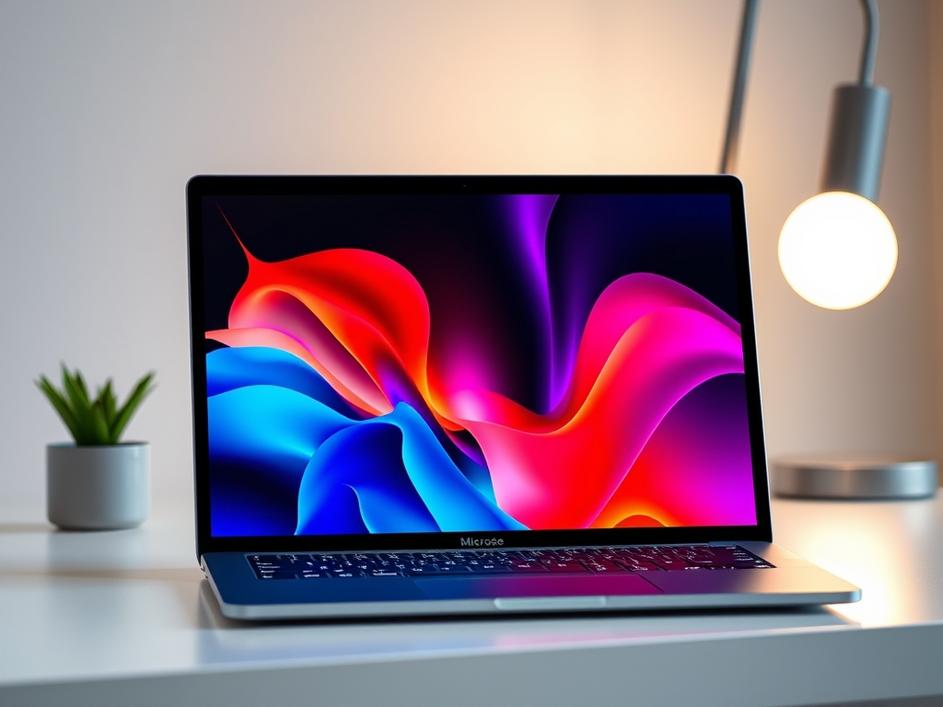
ToggleWord on the street is that Microsoft is gearing up to release new versions of its Surface Pro and Surface Laptop. This isn’t exactly groundbreaking news; companies refresh their product lines all the time. But what’s got people talking is the potential inclusion of OLED displays in the Surface Laptop. For years, LCD screens have been the standard, and a move to OLED could be a real visual upgrade.
So, why is OLED such a big deal? The main advantage is contrast. OLED (Organic Light Emitting Diode) screens can turn individual pixels completely off, resulting in true blacks. LCDs, on the other hand, use a backlight that’s always on to some degree, which means blacks appear more like dark gray. This difference in contrast makes colors pop more on OLED displays, and images look sharper and more vibrant. It’s like going from watching a movie with the lights on to turning them off – the picture becomes much more immersive.
Beyond contrast, OLEDs typically offer wider viewing angles and faster response times compared to LCDs. This is great for anyone who uses their laptop for gaming or watches a lot of videos. Plus, the improved viewing angles mean you don’t have to be sitting directly in front of the screen to get the best picture. No more fighting for the sweet spot!
Another interesting piece of the rumor puzzle is that Microsoft is planning to offer both Intel and Qualcomm variants of the new Surface devices. This isn’t entirely new territory, as we’ve seen ARM-based Surface devices before. But it signals a continuing shift towards more power-efficient and always-connected devices. Qualcomm chips generally offer better battery life than their Intel counterparts, but they sometimes lack the raw processing power needed for demanding tasks like video editing or running complex software. The choice between Intel and Qualcomm could come down to what you prioritize: performance or portability.
It’s also possible that Microsoft is trying to cater to different segments of the market. Perhaps the Intel versions will be targeted at professionals who need maximum performance, while the Qualcomm versions will be geared towards students and casual users who value battery life and connectivity. Whatever the reason, it’s good to see Microsoft offering consumers more choice.
Microsoft isn’t the only company exploring OLED displays for laptops. Apple has already made the jump with its high-end iPads and iPhones, and rumors suggest that OLED MacBooks are on the horizon. The move to OLED seems inevitable as the technology matures and becomes more affordable. For a while, OLED panels were more expensive and more difficult to produce compared to LCDs. That gap is closing, and the benefits of OLED are becoming too compelling to ignore. The fact that Apple is likely to release OLED MacBooks puts pressure on Microsoft to follow suit if they want to remain competitive in the premium laptop market. Consumers expect the best technology in their devices, and right now, that often means OLED.
While the OLED display is the headline feature, it’s likely that the new Surface Laptops will also include other improvements. We can probably expect the latest Intel or Qualcomm processors, faster RAM, and updated connectivity options like Wi-Fi 6E or Wi-Fi 7. Microsoft might also tweak the design of the Surface Laptop, making it thinner, lighter, or more durable. And of course, there will be software enhancements with the latest version of Windows.
One area where Microsoft could really innovate is with the pen experience. The Surface Pen is already a great tool for artists and note-takers, but there’s always room for improvement. Perhaps Microsoft could introduce a new version of the Pen with lower latency or more pressure sensitivity. Or maybe they could add new software features that make it easier to organize and share handwritten notes.
The potential inclusion of OLED displays in the Surface Laptop is an exciting development. It suggests that Microsoft is committed to pushing the boundaries of laptop technology and delivering the best possible user experience. While we don’t have all the details yet, the rumors point towards a significant upgrade for the Surface lineup. The competition is getting fierce in the laptop market, and Microsoft needs to innovate to stay ahead. OLED displays, faster processors, and improved pen support are all ways to do that.
Ultimately, the success of the new Surface Laptops will depend on how well Microsoft executes its vision. If they can deliver a product that is both beautiful and powerful, they could have a real winner on their hands. The next few months will be interesting to watch as more details emerge. One thing is certain: the future of Surface is looking brighter than ever, literally and figuratively.



Comments are closed