

We are a digital agency helping businesses develop immersive, engaging, and user-focused web, app, and software solutions.
2310 Mira Vista Ave
Montrose, CA 91020

2500+ reviews based on client feedback
What's Included?
ToggleArtificial intelligence is everywhere these days, even if we don’t always see it. It helps recommend movies, sorts our emails, and powers the chatbots we talk to online. But behind all those everyday uses are software developers, the folks who actually build these smart systems. They don’t just wave a magic wand; they use specialized tools, often called AI APIs (Application Programming Interfaces). Think of an API as a standard way for different computer programs to talk to each other. When a company like GPT Proto announces a big update, especially one focusing on how developers *experience* those tools, it’s worth paying attention. Their latest release, GPT Proto 2.0, isn’t just about faster or smarter AI models, though those are part of it. A big piece of this update is making the whole process of building with AI smoother and less of a headache. They’ve put a lot of work into how their system looks and feels to the people who use it most: the developers. And when something becomes easier to use, it often means more people can use it, leading to more cool stuff being built.
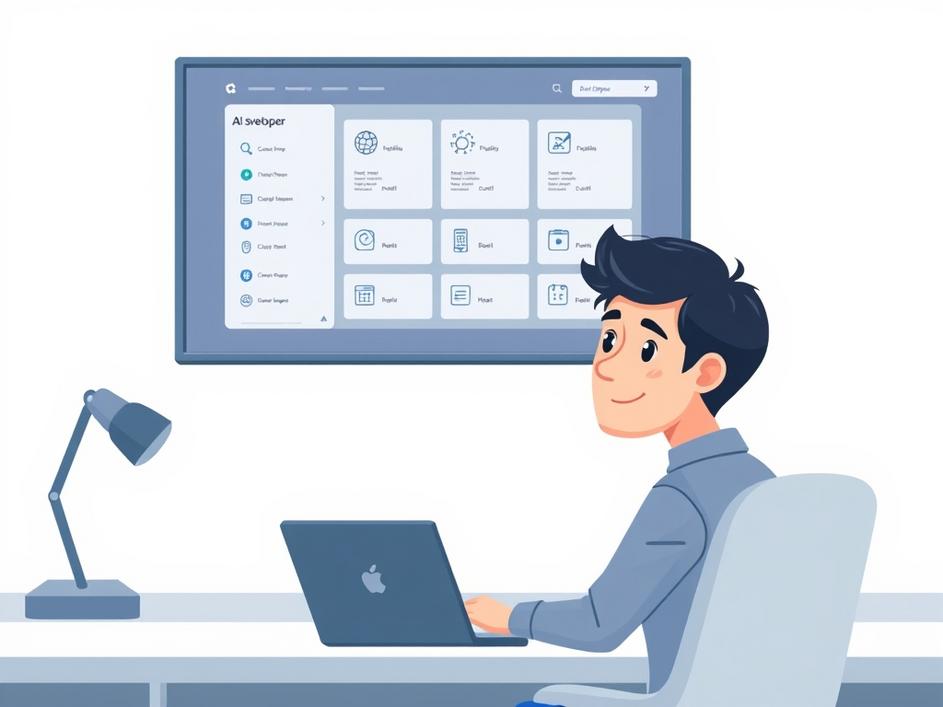
Imagine you’re trying to build a complex machine, but all your tools are scattered everywhere, some are rusty, and you can’t even tell what half of them do. That’s sometimes what it feels like to work with high-tech software tools. For developers, the ‘user interface’ – how they see and interact with a system – is incredibly important. It’s not about making things pretty for the sake of it; it’s about clarity, speed, and reducing frustration. If a developer has to spend extra time figuring out where a setting is, or how to make a simple request, that’s time lost. So, when GPT Proto 2.0 launches with what they call a ‘revolutionary UI,’ it means they’ve likely thought hard about how to make complex tasks feel simple. This kind of update can cut down on the time it takes to learn the system, speed up development, and generally make the job more enjoyable. A good interface acts like a helpful assistant, guiding you rather than getting in your way. This commitment to user experience tells me they understand that the human element in software development is just as crucial as the underlying technology. It’s about empowering people to build, not just giving them raw power.
One of the trickiest parts of building with AI today is the sheer number of different AI models available. Some are great for writing, others for images, some for specific types of data analysis. It’s like having a gigantic library with thousands of books, but no clear catalog or genre labels. How do you find the right book for your specific need? This is where the idea of a ‘Model Collection Page’ comes in. GPT Proto 2.0 has introduced a dedicated space where developers can see and choose from various AI models. Instead of hunting through documentation or trying to guess which model does what, they can now browse a curated list. Think of it like a carefully organized menu at a restaurant. You see your options clearly, with descriptions that help you decide. For a developer, this means less guesswork and more confidence in picking the AI model that’s best suited for their project. It helps them avoid common pitfalls, like using a language model when they really need one for visual recognition, saving them time and effort. This step is a big win for efficiency and helps more developers, even those new to AI, feel confident in exploring different AI capabilities.
Beyond the shiny new interface and the helpful model collection, there are always the practical considerations: how much does it cost, how fast does it run, and how reliable is it? These are often the make-or-break factors for any technology that businesses or individuals want to use. AI can be quite resource-intensive, meaning it can be expensive to run and sometimes slow to respond. And if an AI service isn’t stable, it can cause all sorts of problems for applications that rely on it. GPT Proto 2.0 says they are offering ‘affordable, faster, and more stable AI API access.’ If they can truly deliver on these promises, it’s a huge deal. Lower costs mean smaller businesses and independent developers can afford to experiment and build things they couldn’t before. Faster response times make AI applications feel more natural and fluid to end-users. And rock-solid stability means less worry about unexpected outages or errors. These practical improvements are vital because they turn cutting-edge AI from a theoretical possibility into a dependable, everyday tool. It moves AI from being a luxury to being an accessible utility, opening up development to a much wider audience and a broader range of applications.
Looking at GPT Proto 2.0’s update, I see more than just a new version of a product. It reflects a wider trend in the AI world that I find really encouraging. For a long time, the focus was often just on building bigger, more powerful AI models. And while that’s important, it sometimes meant that using those models was complicated, expensive, or a bit of a black box for many developers. This new focus on user interface, organized model selection, and practical benefits like affordability and stability shows a maturing of the AI tool market. It signals a move towards making AI truly accessible and usable for everyone, not just a select few with deep expertise or endless budgets. When the tools become easier and more dependable, more people can build more creative and useful things. This helps spread the benefits of AI beyond big tech companies. It’s about democratizing access, letting a wider range of ideas come to life. In a world where AI is rapidly changing how we live and work, making the building blocks easier to grasp and use is a truly meaningful step forward for innovation.
So, what does this all mean for the future? Updates like GPT Proto 2.0’s show us that the AI industry isn’t just chasing the next big model. It’s also getting serious about making the whole development process better. We’re seeing a push to make AI tools not only powerful but also practical, intuitive, and budget-friendly. This shift is good news for developers, businesses, and ultimately, for all of us who interact with AI in our daily lives. As tools become simpler to use and more reliable, we can expect to see even more clever and helpful AI-powered applications pop up. It helps lower the entry barrier, allowing more people to join in and build, which can only lead to more innovation. The goal seems to be to make AI as easy to integrate as any other piece of software, allowing creators to focus on their ideas instead of wrestling with complex technology. And that, I believe, is a future worth looking forward to.



Comments are closed