

We are a digital agency helping businesses develop immersive, engaging, and user-focused web, app, and software solutions.
2310 Mira Vista Ave
Montrose, CA 91020

2500+ reviews based on client feedback
What's Included?
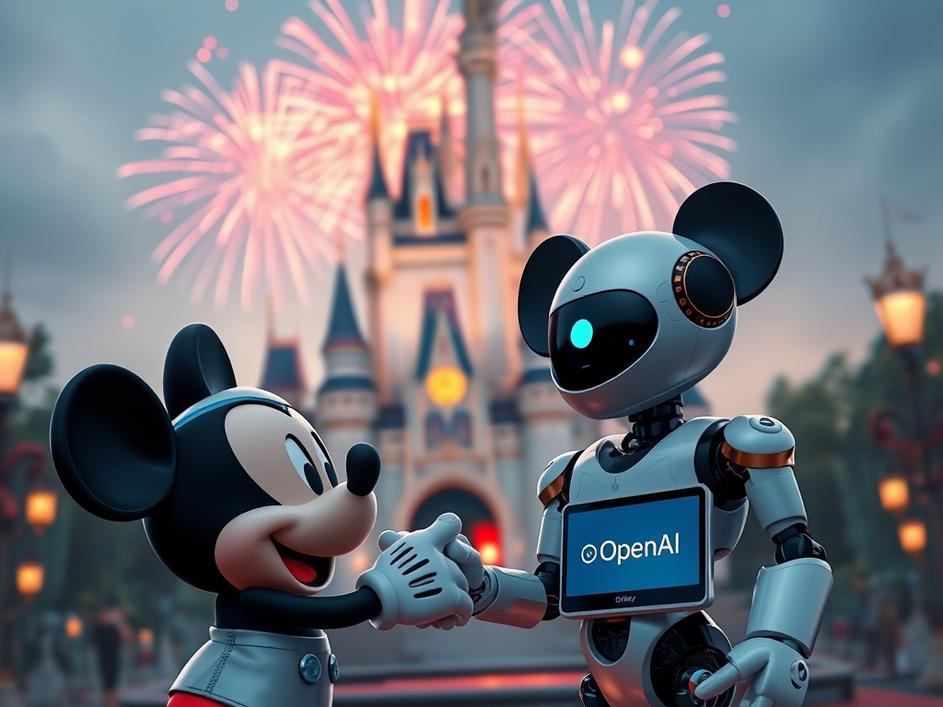
ToggleWord on the street is that Disney and OpenAI are still in talks about some kind of collaboration, even after OpenAI pumped the brakes on its Sora video generator. This is according to Sam Altman himself. Apparently, he gave Bob Iger and Josh D’Amaro at Disney a heads-up about the Sora decision beforehand. But what does this mean for the future of entertainment, and could Mickey Mouse soon be starring in an AI-generated adventure?
Sora’s temporary shutdown definitely raised some eyebrows. The tech world was buzzing about its potential, and many creatives were already imagining the possibilities. The ability to create realistic scenes from just text prompts held enormous appeal to content creators, including those at Disney. Was Sora not up to the standards needed for collaboration? Perhaps there were concerns about the ethical implications of AI-generated content? Or maybe this was a strategic pause to refine the technology and address any potential pitfalls? The reasons behind the shutdown are not fully clear, but whatever the reason, it clearly hasn’t stopped conversation between the two companies.
The possibilities are vast and frankly, a little mind-blowing. Imagine AI assisting with animation, creating incredibly detailed backgrounds, or even generating entire scenes for movies and TV shows. It’s not just about animation, though. Think about how AI could personalize theme park experiences, tailoring rides and shows to individual guests’ preferences. Or picture AI-powered character interactions, where you can have a unique conversation with Mickey Mouse himself, with his answers created in real time. The potential applications span almost every aspect of Disney’s business, from content creation to theme park experiences.
Of course, there are valid concerns about the role of human artists and creators in an AI-driven future. Would AI tools diminish the need for animators, writers, and designers? It’s a valid question, but I suspect that, at least in the near future, AI will be used as a tool to augment human creativity, not replace it entirely. Think of it like a super-powered paintbrush or a collaborative partner that can help artists realize their visions more quickly and efficiently. The key will be finding the right balance between AI assistance and human artistry to retain the magic and heart that makes Disney, well, Disney.
This potential collaboration between Disney and OpenAI has huge implications that stretch beyond the Magic Kingdom. If these two giants can successfully integrate AI into their operations, it could set a precedent for the entire entertainment industry. Imagine AI-powered tools becoming commonplace in film, television, gaming, and even live entertainment. The creative possibilities are staggering, and the potential for innovation is limitless. But it also raises important questions about copyright, intellectual property, and the ethical use of AI in creative endeavors. How will companies protect their work in a world where AI can generate content in seconds? And how can we ensure that AI is used responsibly and ethically in the creation of entertainment?
The fact that Disney and OpenAI are still in talks despite the Sora situation speaks volumes about the potential that both companies see in AI. While the specifics of their collaboration remain a mystery, it’s clear that AI is poised to play a significant role in the future of entertainment. Whether it’s enhancing animation, personalizing theme park experiences, or creating entirely new forms of storytelling, AI has the potential to transform the way we create, consume, and experience entertainment. The journey may have some hiccups, like Sora, but the collaboration between these two companies will certainly be one to watch.
Comments are closed