

We are a digital agency helping businesses develop immersive, engaging, and user-focused web, app, and software solutions.
2310 Mira Vista Ave
Montrose, CA 91020

2500+ reviews based on client feedback
What's Included?
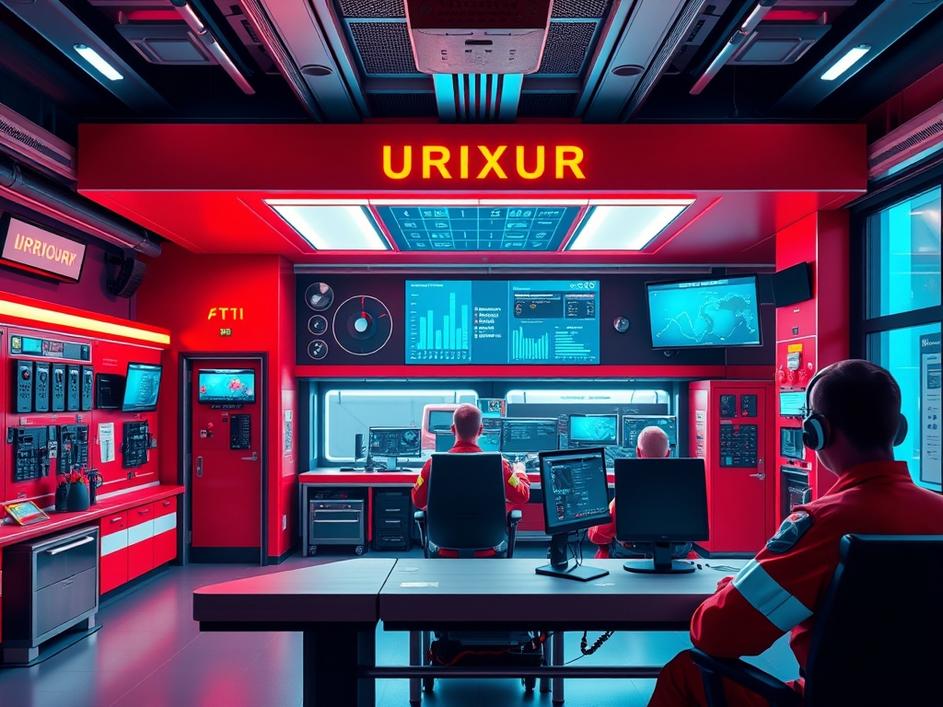
ToggleImagine a world where emergency services are faster, more efficient, and always available. It sounds like science fiction, but in Munich, Germany, it’s becoming a reality. The Munich Fire Department is using artificial intelligence to handle non-emergency calls, freeing up human dispatchers for more critical situations. This innovative approach could revolutionize how cities respond to emergencies, making them safer and more resilient.
Julia Voss, a dispatcher and firefighter for the Munich Fire Department, has witnessed firsthand the impact of this new AI system. Before its implementation, Julia and her colleagues spent countless hours answering routine inquiries, providing information, and directing people to the appropriate resources. These calls, while important, took time away from handling more urgent situations like fires, medical emergencies, and accidents. Now, the AI handles many of these routine calls, allowing Julia and her team to focus on what matters most: saving lives.
The AI system, developed in collaboration with Microsoft, is designed to understand natural language and provide accurate, helpful responses to non-emergency inquiries. When someone calls the Munich Fire Department with a non-urgent issue, the AI answers the call and uses speech recognition to understand the caller’s needs. It can then access a vast database of information to provide answers, offer guidance, or direct the caller to the appropriate resources. For example, the AI can provide information about fire safety regulations, explain how to obtain a burn permit, or direct people to the city’s waste disposal services for hazardous materials.
But the AI system is more than just a glorified information bot. It’s also capable of learning and adapting over time. The more it interacts with callers, the better it becomes at understanding their needs and providing relevant information. This continuous learning process allows the AI to improve its accuracy and efficiency, further reducing the burden on human dispatchers. And, importantly, the AI is programmed to recognize situations that require human intervention and seamlessly transfer those calls to a live dispatcher.
The benefits of using AI in emergency services are numerous. First and foremost, it frees up human dispatchers to focus on critical situations, allowing them to respond more quickly and effectively to emergencies. This can save lives and minimize damage. Second, the AI system provides consistent and accurate information, ensuring that callers receive the help they need, regardless of the time of day or the dispatcher on duty. Third, the AI system can handle a large volume of calls simultaneously, reducing wait times and improving customer satisfaction. Finally, the AI system can collect valuable data about the types of inquiries the fire department receives, which can be used to improve services and allocate resources more effectively.
Of course, the use of AI in emergency services also raises some concerns. Some people worry about the potential for errors or biases in the AI system. Others are concerned about the loss of human interaction and the potential for job displacement. It’s important to address these concerns openly and transparently. The Munich Fire Department has taken steps to ensure that the AI system is accurate, reliable, and unbiased. They have also emphasized that the AI system is not intended to replace human dispatchers, but rather to augment their capabilities and free them up to focus on more critical tasks. Building trust in the AI system is essential for its success.
The Munich Fire Department’s AI operator is a model for other cities around the world. As urban populations continue to grow, emergency services are facing increasing demands. AI can help these services meet those demands by improving efficiency, reducing response times, and enhancing the quality of care. By embracing AI, cities can become safer, more resilient, and better equipped to handle the challenges of the 21st century.
AI is not a replacement for human empathy and judgment, but it is a powerful tool that can enhance our ability to respond to emergencies. By working together, humans and AI can create a safer and more secure world for everyone. The Munich Fire Department’s experience demonstrates the potential of AI to transform emergency services and improve the lives of citizens. It’s a glimpse into a future where technology and human ingenuity combine to create a more responsive and resilient society. This initiative shows us that embracing technological innovation can lead to a better future, one call at a time.



Comments are closed