

We are a digital agency helping businesses develop immersive, engaging, and user-focused web, app, and software solutions.
2310 Mira Vista Ave
Montrose, CA 91020

2500+ reviews based on client feedback
What's Included?
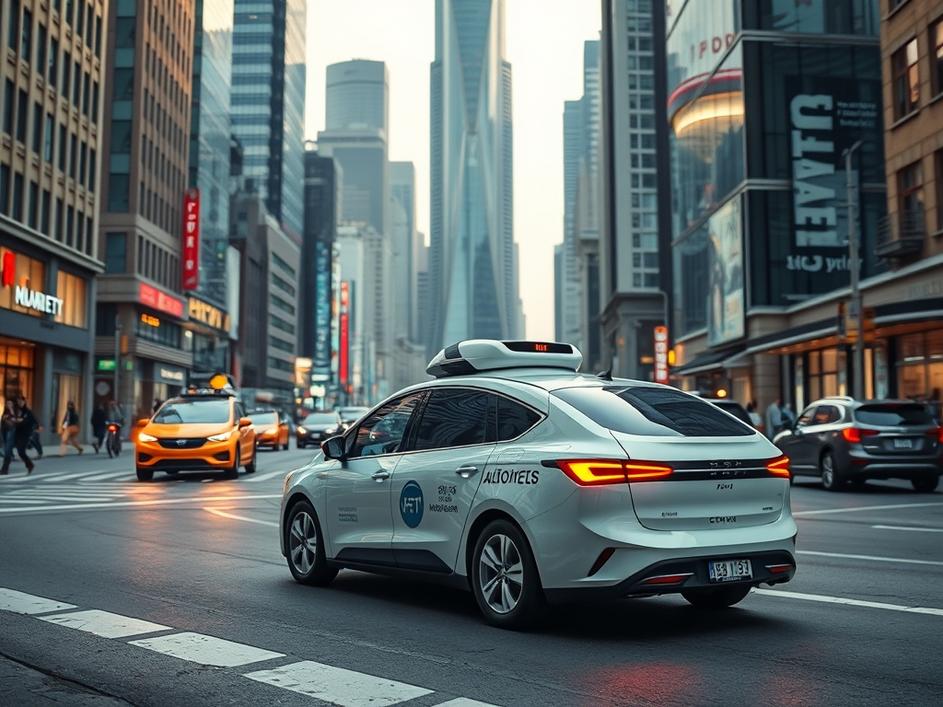
ToggleI recently had the chance to take a ride in a Waymo robotaxi, and honestly, it was a pretty surreal experience. For years, we’ve been hearing about self-driving cars, and now they’re actually here, picking people up and dropping them off without a human behind the wheel. It’s one thing to read about it, and another thing entirely to sit in the back seat while a computer confidently navigates city streets.
The process of actually getting a Waymo was surprisingly easy. I used the Waymo app (similar to Uber or Lyft), set my pickup and drop-off locations, and within minutes, the autonomous vehicle arrived. The car itself looked clean and modern. Before starting the ride, the app showed me a detailed map of the route. There were also several screens inside the car displaying the car’s planned movements to ensure I was aware of what the car was about to do. The interior felt spacious and comfortable.
Once the ride started, I was immediately struck by how smooth and uneventful it was. The car accelerated and decelerated smoothly, obeyed traffic laws meticulously, and maintained a safe distance from other vehicles. It was definitely a calmer and less erratic driving experience compared to some human drivers I’ve encountered! The robotaxi handled merging into traffic and navigating intersections without any problems. There was one moment when a pedestrian unexpectedly darted into the street, and the Waymo braked swiftly and safely, avoiding any potential collision. This gave me a big reassurance of the car’s responsiveness and ability to react to unpredictable situations.
Of course, the big question is: how does Waymo’s pricing compare to traditional ride-sharing services like Uber and Lyft? In my case, the Waymo ride was slightly more expensive than a comparable UberX or Lyft ride during off-peak hours. However, the price difference wasn’t significant enough to be a major deterrent. It’s important to remember that Waymo’s pricing may vary depending on demand, time of day, and location. I suspect as the technology matures, and the fleet size increases, prices could potentially drop to become competitive, or even cheaper, than human driven ride-hailing. It’ll be interesting to track how these costs evolve over time.
My Waymo experience left me with a sense of both excitement and uncertainty about the future of transportation. On the one hand, the technology is undeniably impressive, offering a glimpse into a world where autonomous vehicles handle the mundane task of getting from point A to point B. Self-driving cars could potentially reduce traffic accidents, improve traffic flow, and provide mobility solutions for people who are unable to drive themselves. But on the other hand, there are still many questions to be answered. How will autonomous vehicles handle extreme weather conditions like heavy snow or torrential rain? How will they interact with cyclists and pedestrians in complex urban environments? And what about the ethical implications of self-driving technology, such as accident liability and job displacement for human drivers?
Many analysts predict the proliferation of self-driving taxis will happen soon. However, companies like Tesla have experienced delays releasing a dependable self-driving functionality. The industry needs to address public trust and demonstrate safety. Accidents involving autonomous vehicles can severely hinder public confidence, which is crucial for broad adoption. The regulatory landscape also needs to evolve to accommodate this new technology, setting clear standards for safety, testing, and deployment. This also touches upon the ethical considerations related to accident liability and data privacy. Addressing these concerns will be critical to ensuring a smooth and responsible transition to a future where self-driving cars are commonplace.
One area where driverless cars could provide significant benefit is in improving accessibility for people with disabilities. Individuals who are unable to drive due to physical limitations could gain new independence and freedom through autonomous vehicles. Imagine the impact on people who use wheelchairs, or those with visual impairments. Autonomous vehicles have the potential to overcome mobility barriers and provide equal access to transportation. Of course, it will be essential to design these vehicles with accessibility in mind, ensuring features such as wheelchair ramps, audio-visual cues, and easy-to-use interfaces are available. This will be essential to enable everyone to use these autonomous transport systems.
Overall, my Waymo ride was a positive and eye-opening experience. It’s clear that self-driving technology has come a long way, and it has the potential to revolutionize the way we move around. While there are still challenges to overcome and questions to be answered, the future of transportation is looking increasingly autonomous. The ride was smooth, efficient, and safe, and I can definitely see the appeal of using a robotaxi for everyday commutes or errands. However, widespread adoption will depend on factors such as cost, safety, and public acceptance. As the technology continues to evolve, it will be interesting to see how self-driving cars transform our cities and our lives. Perhaps one day, we’ll all be hailing robotaxis instead of driving ourselves!



Comments are closed