

We are a digital agency helping businesses develop immersive, engaging, and user-focused web, app, and software solutions.
2310 Mira Vista Ave
Montrose, CA 91020

2500+ reviews based on client feedback
What's Included?
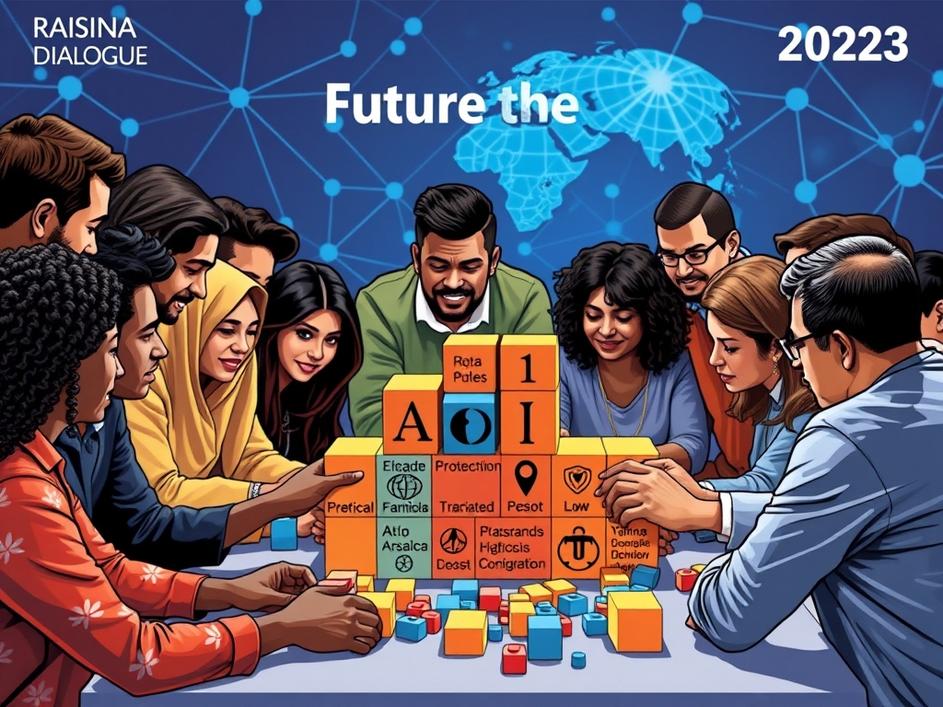
ToggleThe Raisina Dialogue 2026 served as a crucial platform to discuss the complex intersection of artificial intelligence, data protection, and cybersecurity. Experts from around the globe convened to address the promises and perils that AI presents, sparking a necessary conversation about how we can responsibly integrate this technology into our societies. It wasn’t just a conference; it was a global brainstorming session about the future we’re actively creating.
At the heart of the AI discussion lies data. AI algorithms are only as good as the data they’re trained on, raising significant questions about bias, privacy, and security. Sabeen Malik, Vice President of Global Government Affairs, highlighted the critical need for robust data protection frameworks. The challenge is not just about collecting data, but ensuring it’s used ethically and securely. We’re talking about personal information, intellectual property, and sensitive government data—all vulnerable in the wrong hands. The dialogue emphasized that data protection isn’t just a legal requirement; it’s a moral imperative.
Cybersecurity emerged as another major concern. As AI becomes more sophisticated, so do the threats it faces. AI-powered cyberattacks can be more targeted, more automated, and more difficult to detect. Imagine AI algorithms designed to identify vulnerabilities in critical infrastructure or to spread disinformation with unprecedented speed and accuracy. The experts at Raisina Dialogue 2026 stressed the importance of proactive cybersecurity measures, including AI-driven threat detection and response systems. It’s a constant arms race, and we need to stay ahead of the curve.
Beyond data protection and cybersecurity, the discussion delved into the ethical dimensions of AI. How do we ensure that AI systems are fair, transparent, and accountable? How do we prevent AI from perpetuating existing societal biases or creating new forms of discrimination? These are not just theoretical questions; they have real-world implications for everything from hiring practices to criminal justice. The Raisina Dialogue emphasized the need for comprehensive ethical frameworks that guide the development and deployment of AI. These frameworks should involve input from a wide range of stakeholders, including policymakers, technologists, ethicists, and the public.
One of the most important takeaways from the Raisina Dialogue 2026 was the need for global collaboration. AI is a global phenomenon, and its challenges cannot be addressed by any one country alone. International cooperation is essential for sharing best practices, developing common standards, and coordinating responses to cyber threats. This includes working together to establish ethical guidelines for AI development and use, as well as sharing information about emerging threats and vulnerabilities. Ultimately, the future of AI depends on our ability to work together to ensure it is used for the benefit of all humanity.
The conversations at the Raisina Dialogue 2026 underscore that AI is not a distant future concern; it’s a present-day reality. The risks and opportunities are real, and the choices we make today will shape the world of tomorrow. It’s up to us to implement intelligent and proactive strategies to make sure AI advances safely, ethically, and for the betterment of society. By addressing the data protection, cybersecurity, and ethical concerns surrounding AI, we can steer its development in a positive direction and harness its power to solve some of the world’s most pressing challenges. Ignoring these challenges would be a profound mistake. It is essential that we act now to shape the future of AI.



Comments are closed