

We are a digital agency helping businesses develop immersive, engaging, and user-focused web, app, and software solutions.
2310 Mira Vista Ave
Montrose, CA 91020

2500+ reviews based on client feedback
What's Included?
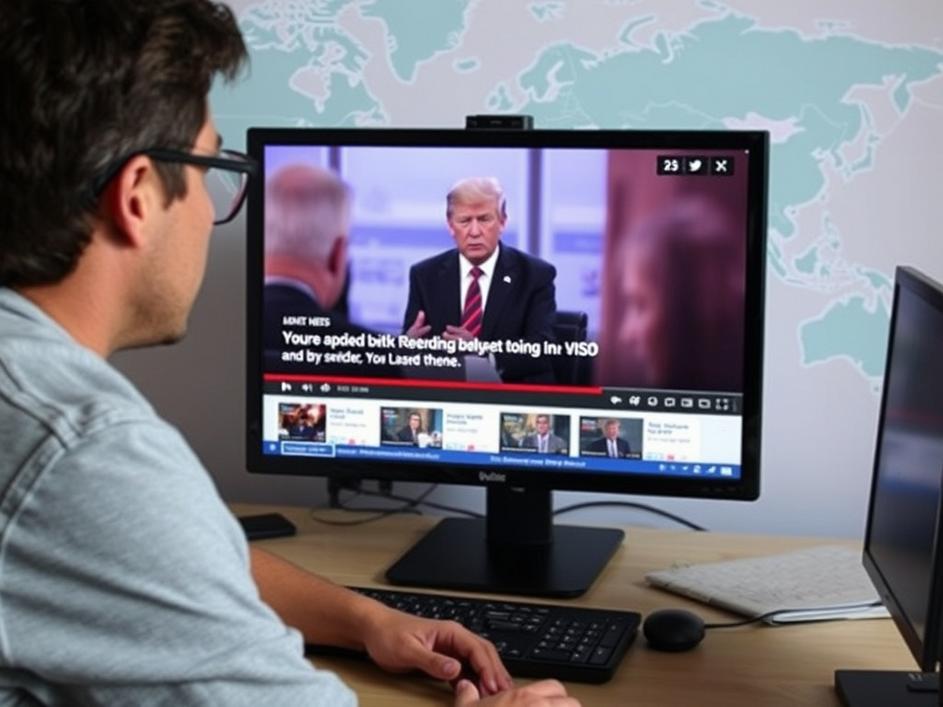
ToggleIn today’s world, staying informed feels like trying to drink from a firehose. News cycles are relentless, constantly updating and evolving. YouTube, with its vast reach, has become a significant platform for news consumption. Channels like NBC News NOW offer continuous coverage, aiming to keep viewers up-to-date on the latest happenings. It raises a crucial question: how do we effectively navigate this constant stream of information without feeling overwhelmed or, worse, misinformed? The format presented on platforms like YouTube is important; it shapes how we receive, process, and ultimately understand current events.
Anchors like Hallie Jackson play a vital role in filtering and presenting the news. They’re tasked with summarizing complex events, providing context, and guiding viewers through the often-turbulent waters of current affairs. The skill lies in delivering information accurately and concisely, while maintaining a neutral stance. It’s a delicate balance. Watching experienced anchors like Jackson, one can appreciate the preparation and skill required to synthesize information on the fly and present it in a clear and engaging manner. But their choices also influence the news presented.
Consuming news on YouTube presents both opportunities and challenges. On the one hand, it offers accessibility and convenience. Viewers can tune in whenever and wherever they are, catching up on the news during their commute or while relaxing at home. The visual format can also be more engaging than traditional print media. However, the platform also faces scrutiny. The comments sections can be breeding grounds for misinformation and biased opinions. Algorithms can create echo chambers, reinforcing existing beliefs and limiting exposure to diverse perspectives. It is critical to be aware of these potential pitfalls and to cultivate a critical approach to online news consumption.
While quick news updates are helpful for staying informed, they often lack the depth needed for true understanding. Surface-level reporting can leave viewers with a fragmented view of complex issues. To combat this, it’s essential to seek out additional sources and perspectives. Read in-depth articles, listen to podcasts, and explore different viewpoints to form a well-rounded understanding of the events shaping our world. Don’t settle for the soundbite; delve deeper into the issues that matter to you.
In the digital age, we are all, in a sense, news consumers and distributors. With social media amplifying information at an unprecedented rate, it’s crucial to be mindful of what we share. Before clicking “share” or “retweet,” take a moment to verify the information’s accuracy and credibility. Be wary of sensational headlines and emotionally charged content, as these are often designed to manipulate rather than inform. Responsible media consumption starts with individual awareness and a commitment to seeking truth.
As technology continues to evolve, the way we consume news will undoubtedly change. Expect to see more personalized news feeds, AI-powered fact-checking, and immersive news experiences like virtual reality. It’s important to approach these developments with both excitement and caution. While technology can enhance our access to information, it also has the potential to further distort and manipulate the news landscape. A critical and discerning approach to media consumption will be more important than ever. The future of news consumption is not just about the technology, but about the informed and engaged citizens who use it.
The spread of misinformation is one of the biggest challenges facing the news industry today. Fake news and propaganda can quickly go viral, misleading the public and eroding trust in legitimate news sources. Platforms like YouTube have a responsibility to combat the spread of misinformation, but individual viewers also have a role to play. Be skeptical of sensational headlines, check the source of the information, and be wary of content that appeals to your emotions rather than your reason. When in doubt, consult multiple sources before sharing information with others.
Media literacy is the ability to access, analyze, evaluate, and create media. In today’s information-saturated world, media literacy is an essential skill for everyone. It allows us to critically evaluate the information we encounter online and offline, and to make informed decisions based on reliable sources. Media literacy education should be integrated into school curricula, but it’s also something that individuals can learn on their own. There are many resources available online to help you improve your media literacy skills.
Navigating the modern news landscape requires a combination of vigilance, critical thinking, and a commitment to seeking truth. While platforms like YouTube offer convenient access to news and information, it’s important to be aware of their limitations and potential biases. By cultivating media literacy, seeking diverse perspectives, and verifying information before sharing it, we can become more informed and responsible consumers of news. Ultimately, an informed citizenry is essential for a healthy democracy.

Comments are closed