

We are a digital agency helping businesses develop immersive, engaging, and user-focused web, app, and software solutions.
2310 Mira Vista Ave
Montrose, CA 91020

2500+ reviews based on client feedback
What's Included?
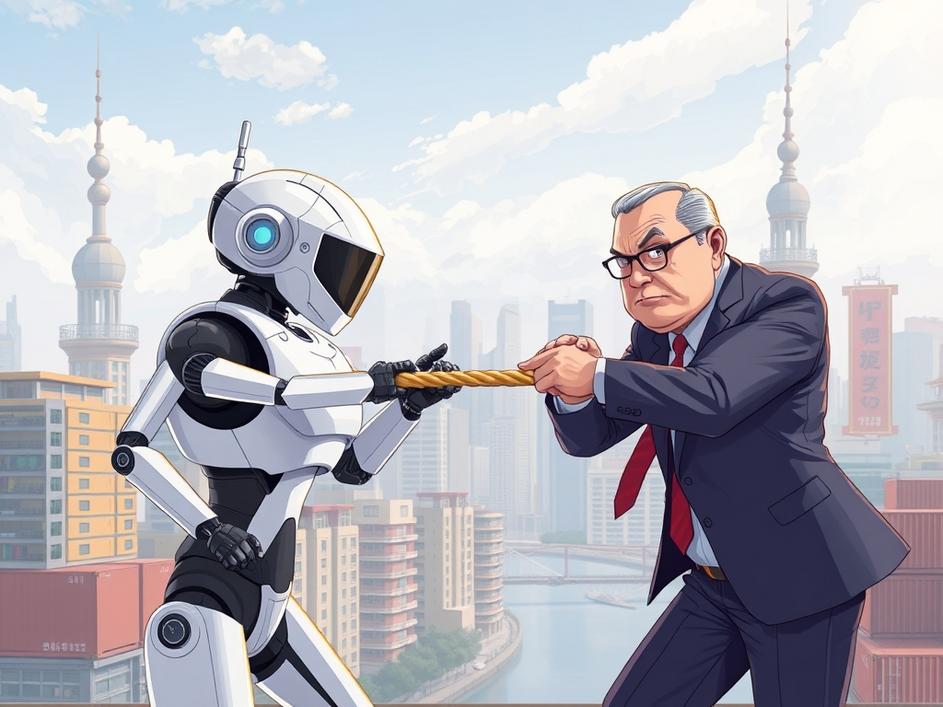
ToggleAsian markets presented a mixed picture today, leaving investors scratching their heads. It’s a tug-of-war between the potential of artificial intelligence and the looming threat of increased tariffs, particularly from the United States. This uncertainty is creating a volatile environment where gains are quickly followed by losses, and long-term strategies are being re-evaluated constantly.
AI continues to be a major talking point, and for good reason. The promise of increased productivity, new industries, and groundbreaking innovations is incredibly appealing. Companies are pouring resources into AI development, hoping to gain a competitive edge. And, investors are eager to back these ventures, driving up stock prices for anything remotely related to AI. But beneath the hype lies a significant amount of anxiety. Concerns about job displacement, ethical considerations, and the potential for misuse of AI technology are weighing heavily on people’s minds. This apprehension tempers the enthusiasm and contributes to market instability. The question is, can the growth in AI actually meet investor and market expectations, or is this just a speculative bubble?
The threat of tariffs is the other major factor influencing Asian markets. The United States, in particular, has been hinting at increasing tariffs on various goods, which could significantly impact Asian economies that rely heavily on exports. These trade tensions create uncertainty for businesses, forcing them to reconsider their supply chains and investment decisions. Increased tariffs raise costs for consumers and businesses, leading to slower economic growth. And, the potential for retaliatory tariffs from other countries adds another layer of complexity to the situation. It’s a delicate balancing act, and any misstep could have serious consequences.
The impact of these factors varies across different sectors. Technology companies, especially those involved in AI development, are generally seeing increased investment. However, manufacturing companies that rely on exports to the United States are facing significant challenges. Companies in the consumer discretionary sector are also vulnerable, as increased tariffs could lead to higher prices and reduced consumer spending. The energy sector is impacted indirectly as global economic slowdown impacts demand.
The effect of these economic pressures aren’t uniform across Asia. Countries with strong domestic demand and diversified economies are better positioned to weather the storm. For example, India, with its large and growing population, is less reliant on exports than countries like South Korea or Taiwan. China, despite its ongoing trade tensions with the United States, continues to be a major economic force, but its growth is slowing. Southeast Asian nations like Vietnam and Indonesia are also emerging as important players, attracting foreign investment and developing their manufacturing capabilities. Government policies and interventions also play a crucial role in mitigating the impact of these global trends.
Investor sentiment is a key driver of market movements, and right now, that sentiment is fragile. The combination of AI hype and tariff fears creates a climate of uncertainty, making investors more risk-averse. This leads to increased market volatility, with sharp swings in prices becoming the norm. Investors are closely monitoring economic data, policy announcements, and geopolitical developments, reacting quickly to any new information. Short-term trading strategies are becoming more popular as investors try to capitalize on market fluctuations. Long-term investment decisions are being made with caution, as the future economic outlook remains unclear.
Navigating this uncertain environment requires a careful and considered approach. Businesses need to be prepared for increased volatility and potential disruptions to their supply chains. Diversification is key, both in terms of markets and products. Investing in innovation and technology can help companies adapt to changing conditions and maintain their competitive edge. Governments need to work together to address trade tensions and create a more stable and predictable economic environment. For investors, it’s important to remain informed, stay diversified, and avoid making impulsive decisions based on short-term market fluctuations. The next few years will likely be a period of significant change and disruption, but also one of opportunity for those who are prepared to adapt and innovate.
The mixed performance of Asian markets reflects the complex interplay of technological optimism and economic anxieties. The future hinges on how these competing forces are managed, both by governments and businesses alike. The path forward requires a balanced approach, one that embraces innovation while addressing the potential risks and uncertainties that lie ahead. Only time will tell how these challenges will ultimately play out, but one thing is certain: adaptability and resilience will be essential for success in the years to come.


Comments are closed