

We are a digital agency helping businesses develop immersive, engaging, and user-focused web, app, and software solutions.
2310 Mira Vista Ave
Montrose, CA 91020

2500+ reviews based on client feedback
What's Included?
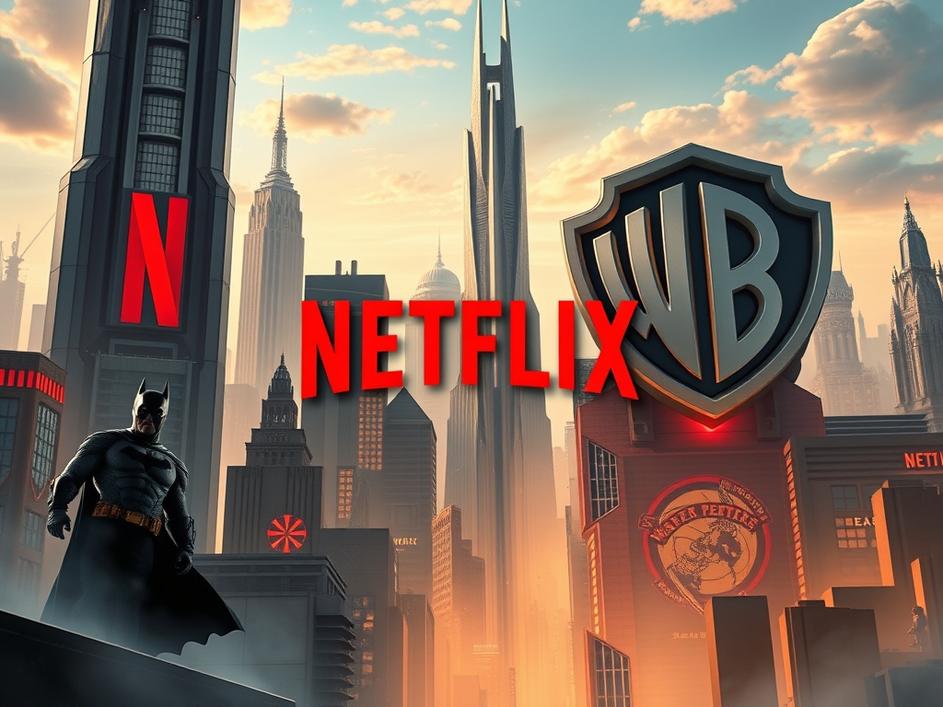
ToggleThe entertainment world is buzzing. Netflix, the streaming giant that redefined how we consume content, is reportedly acquiring Warner Bros. in a deal estimated to be worth a staggering $82.7 billion. This isn’t just another merger; it’s a potential reshaping of the entire media landscape. Imagine the implications of combining Netflix’s massive subscriber base and technological prowess with Warner Bros.’ rich history and iconic library of films and television shows. It’s a move that could redefine what it means to be a media powerhouse in the 21st century.
For the average Netflix subscriber, the immediate question is: what will I get out of this? The most obvious answer is a vastly expanded library of content. Think about instant access to classic films like “Casablanca,” blockbuster franchises like “Harry Potter,” and cutting-edge television series from HBO. This influx of content could significantly enhance the value proposition of a Netflix subscription, making it even more appealing to both current subscribers and potential newcomers. But, it is important to consider that this may mean an increased subscription cost to account for all of the new content being provided.
Beyond the headliners, a Netflix-Warner Bros. merger could unlock a treasure trove of niche content. Warner Bros. owns a vast archive of films, TV shows, and animated series that could cater to a wide range of tastes and interests. This could lead to a more personalized viewing experience for subscribers, with Netflix’s recommendation algorithms becoming even more effective at suggesting content that aligns with individual preferences. Also, Netflix has the potential to reboot, reimagine, or continue some beloved series. For example, fans of “Friends” have always wanted a reunion, and it would be very easy to produce a reunion with Netflix resources.
This acquisition would undoubtedly send shockwaves through the media industry. Other streaming services, such as Disney+, Amazon Prime Video, and Hulu, would face increased pressure to compete with the combined might of Netflix and Warner Bros. We might see a wave of further consolidation as these companies seek to strengthen their own positions in the market. The fight for streaming dominance is already fierce, and this deal would only intensify the battle. There will certainly be increased pressure to create more original content. Netflix also benefits by eliminating a large potential competitor, as Warner Bros. had their own service, HBO Max.
Despite the potential benefits, there are also challenges and concerns associated with this merger. Integrating two massive companies with different cultures and operating styles can be a complex and difficult process. There’s also the risk of antitrust scrutiny from regulators who may be concerned about the concentration of power in the hands of a single company. Furthermore, some viewers may worry about the potential for homogenization of content, with Netflix prioritizing blockbuster franchises over smaller, more independent films and television shows. Creative people may fear that creative freedom will be limited in favor of profitability.
A Netflix-Warner Bros. merger could also have a significant impact on the future of content creation. With increased resources and reach, Netflix could invest even more heavily in original programming, potentially leading to a golden age of television and film. However, it’s also possible that the merger could stifle innovation, with Netflix becoming more risk-averse and focusing on proven formulas for success. The dynamics between show creators and production companies may shift in unexpected ways.
One potential outcome that hasn’t been discussed enough is the possibility of bundling. Netflix could offer various tiers of subscriptions, combining access to its streaming service with other Warner Bros. products and services, such as video games or theatrical releases. This could create a more comprehensive entertainment package for consumers and generate new revenue streams for the company. Maybe, subscribers who pay more, get to see new movie releases earlier than others.
Before this deal can become a reality, it will have to overcome significant regulatory hurdles. Antitrust regulators will carefully scrutinize the merger to ensure that it doesn’t harm competition or consumer choice. This process could take months, or even years, and there’s no guarantee that the deal will ultimately be approved. The government may want to ensure that smaller studios are protected.
The potential acquisition of Warner Bros. by Netflix represents a pivotal moment in the history of entertainment. It’s a deal that could reshape the media landscape, transform the streaming industry, and redefine how we consume content. While there are potential benefits for viewers, such as a vastly expanded library of content and increased investment in original programming, there are also challenges and concerns, such as the risk of homogenization of content and antitrust scrutiny. Only time will tell whether this merger will ultimately be a success, but one thing is certain: the entertainment world will never be the same.


Comments are closed