Why the Shenzhen Salon matters
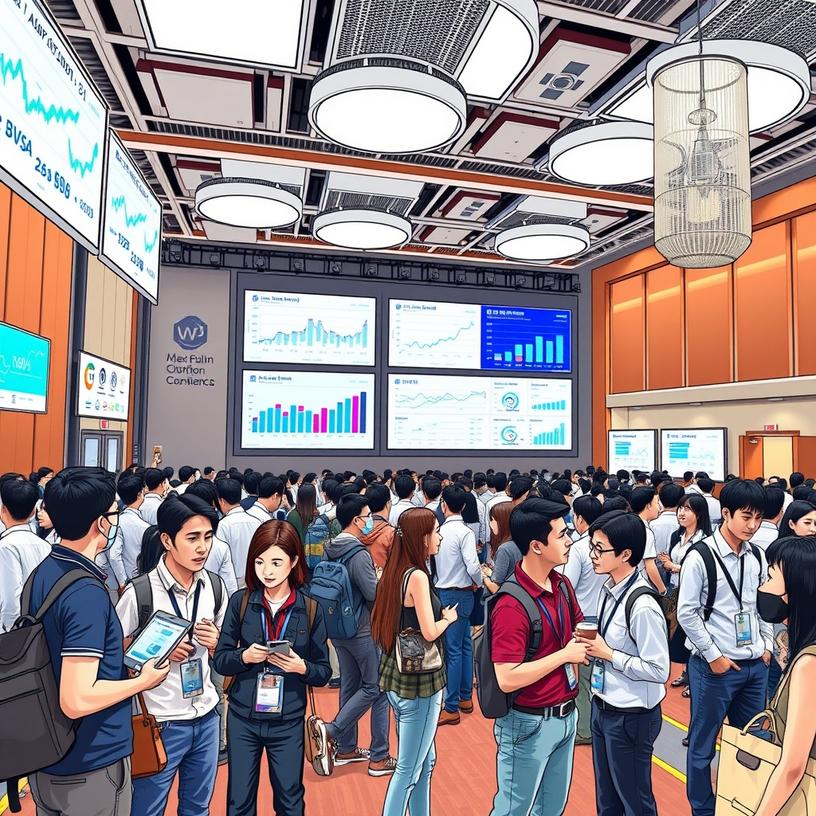
Last week the city of Shenzhen hosted a gathering that felt more like a toolbox than a conference. Organisers called it “Breaking Through and Reframing,” and the focus was clear: give solo shop owners fresh ways to bring people to their sites and turn clicks into purchases. The event drew a mix of local founders, overseas consultants, and platform reps, all sitting in a bright hall with screens flashing real‑time data. What makes this meet‑up stand out is the practical bent – no glossy hype, just hands‑on tips that can be tried the next day. For anyone trying to grow a brand without the backing of a giant retailer, the takeaways feel like a map for a road that was previously hidden.
Exploring traffic beyond the usual suspects
One of the biggest surprises was the emphasis on channels that sit outside the typical social‑media feed. Speakers highlighted short‑form video platforms that reward niche content, community forums where product talk feels more like a conversation, and even emerging voice‑search ecosystems. They showed case studies where a tiny cosmetics brand grew its daily visitors by 30 % simply by answering questions on a popular DIY forum. The lesson was clear: don’t put all your budget into one ad network. Test small, measure fast, and let the data point you toward the next traffic source.
Conversion tricks that feel natural
Getting eyes on a product is only half the battle. The salon devoted a whole session to turning interest into a sale without sounding pushy. Techniques like “micro‑bundles” – offering a tiny add‑on at checkout for a few dollars – were praised for boosting average order value. Another speaker talked about using live‑chat bots that ask a single, relevant question instead of a long survey. The goal is to keep the shopper’s focus on the product, not on a form. Real‑world numbers were shared: a home‑goods store saw a 12 % lift in conversion after adding a one‑click “add to wishlist” button that later triggered a gentle reminder email.
Challenges unique to independent sellers
Running a solo shop means wearing many hats, and the panel didn’t shy away from that reality. Inventory risk, limited marketing budget, and the constant need to wear the customer‑service hat were named as top pain points. A recurring theme was the importance of building a small but loyal community first, then expanding outward. When you have a core group of repeat buyers, you can afford to experiment with new traffic sources because the baseline revenue stays steady. The speakers also warned against over‑automation – a fully robot‑run store can lose the personal touch that many shoppers still value.
Key takeaways from the speakers
Across the day, a few ideas kept resurfacing. First, treat every traffic source as an experiment with a clear hypothesis and a short testing window. Second, align your conversion flow with the way people naturally browse – fewer clicks, clearer value statements, and optional social proof that feels authentic. Third, invest time in a simple data dashboard that pulls numbers from your shop, ad accounts, and chat tools into one view. When you can see the whole picture in minutes, you’re less likely to chase a single metric that doesn’t move the needle. Finally, the community vibe of the salon itself reminded everyone that sharing failures can be as valuable as sharing wins.
Looking ahead
The Shenzhen Salon may have ended, but the ideas it sparked will keep rolling for months to come. For independent e‑commerce owners, the message is simple: keep looking beyond the familiar, test with purpose, and stay close to the people who actually buy from you. If you can blend a bit of data‑driven rigor with the human touch that made you start the business, you’ll find new roads to growth that feel both sustainable and rewarding.
Source: Original Article






Comments are closed