

We are a digital agency helping businesses develop immersive, engaging, and user-focused web, app, and software solutions.
2310 Mira Vista Ave
Montrose, CA 91020

2500+ reviews based on client feedback
What's Included?
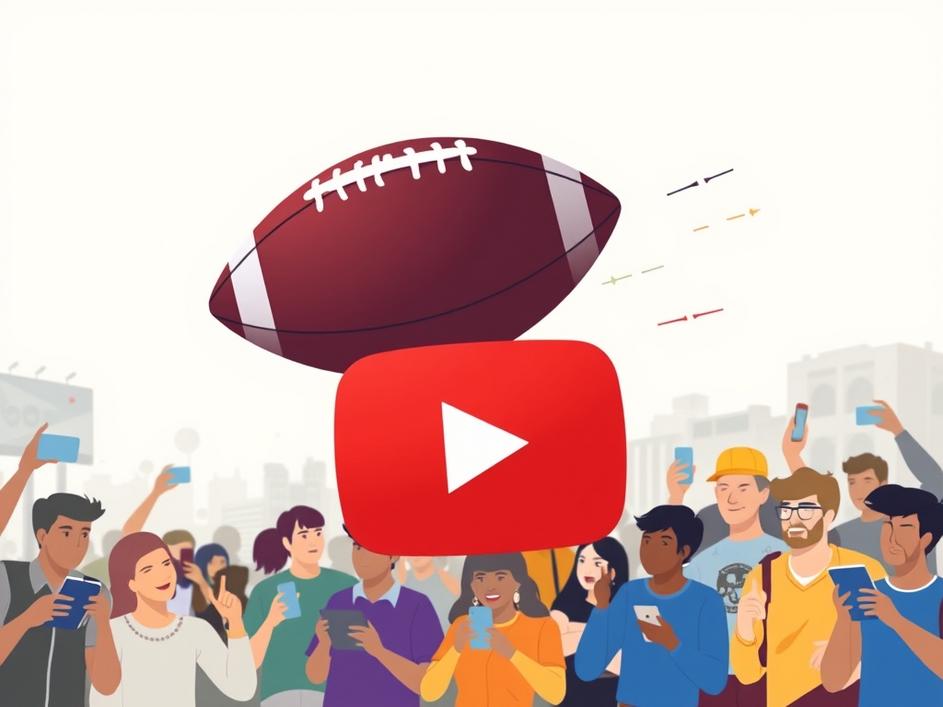
ToggleThe NFL is thinking about giving YouTube a package of four regular-season games. This could be a big change in how we watch football. Instead of only seeing games on TV, we might start watching them on the internet more often. It’s a sign that the way we consume sports is changing, with more people cutting the cord and choosing to stream content.
YouTube is a massive platform with tons of users. The NFL wants to reach as many fans as possible, and YouTube offers a way to do that. Plus, younger viewers are more likely to watch content online than on traditional TV. Partnering with YouTube could help the NFL connect with a new generation of fans. And, let’s be honest, YouTube has the infrastructure to handle the streaming load, which is no small feat when millions are tuning in at once.
For fans, this could mean a few things. First, you might need a YouTube subscription to watch these games. Second, you’ll need a good internet connection. Buffering in the middle of a crucial play would be a nightmare! But it also means more flexibility. You can watch the games on your phone, tablet, or smart TV, wherever you are. It opens up possibilities for watching with friends remotely, using watch party features and live chat.
If the NFL starts putting more games on streaming platforms, what happens to traditional TV? It’s possible that TV networks will have to pay more to keep their rights. Or maybe they’ll start focusing on other types of content. Either way, the rise of streaming is forcing everyone in the media industry to rethink their strategies. We might see more collaborations between TV networks and streaming services, or even networks launching their own streaming platforms to compete.
Deals like this are always about money. The NFL is a business, and it wants to maximize its revenue. YouTube is willing to pay a lot for the rights to these games, which benefits the NFL and its owners. The details of the “equity deal” mentioned are crucial. Does the NFL have a long-term stake in YouTube’s success, or is this a one-off agreement? The specifics will tell us a lot about the NFL’s overall strategy.
This potential partnership between the NFL and YouTube is more than just a deal for four games. It’s a peek into the future of sports broadcasting. We’re likely to see more games on streaming platforms, more interactive viewing experiences, and more ways for fans to connect with the sport they love. Think about it: personalized stats, real-time highlights, and even the ability to choose different camera angles – all at your fingertips.
While the move to streaming offers convenience, there are potential drawbacks. Accessibility is a key concern. Not everyone has reliable internet access, and a digital divide could exclude some fans from watching their favorite teams. The cost of multiple streaming subscriptions can also add up, making it more expensive to follow the NFL. And let’s not forget the potential for technical glitches and outages that can disrupt the viewing experience.
The way we experience the game might change. Streaming platforms can offer interactive features that traditional TV can’t. Imagine being able to chat with other fans during the game, vote on player performances, or even participate in polls that influence the broadcast. The possibilities are endless, and it could make watching the game even more engaging.
This move also reflects a broader trend in content consumption. People are increasingly choosing to watch what they want, when they want, and where they want. The NFL is adapting to this trend by making its games available on more platforms. It’s not just about football; it’s about staying relevant in a rapidly changing media landscape. Other sports leagues will be watching closely to see how this partnership plays out.
The NFL’s potential move to YouTube is a sign of the times. It represents a shift towards streaming, a focus on reaching younger audiences, and a desire to maximize revenue. While there are potential drawbacks, the benefits of convenience, flexibility, and interactive viewing experiences are hard to ignore. The future of football viewing is likely to be a mix of traditional TV and streaming, with fans having more choices than ever before. Only time will tell how this new era will unfold, but one thing is clear: the way we watch sports is changing, and the NFL is determined to stay ahead of the game.



Comments are closed