

We are a digital agency helping businesses develop immersive, engaging, and user-focused web, app, and software solutions.
2310 Mira Vista Ave
Montrose, CA 91020

2500+ reviews based on client feedback
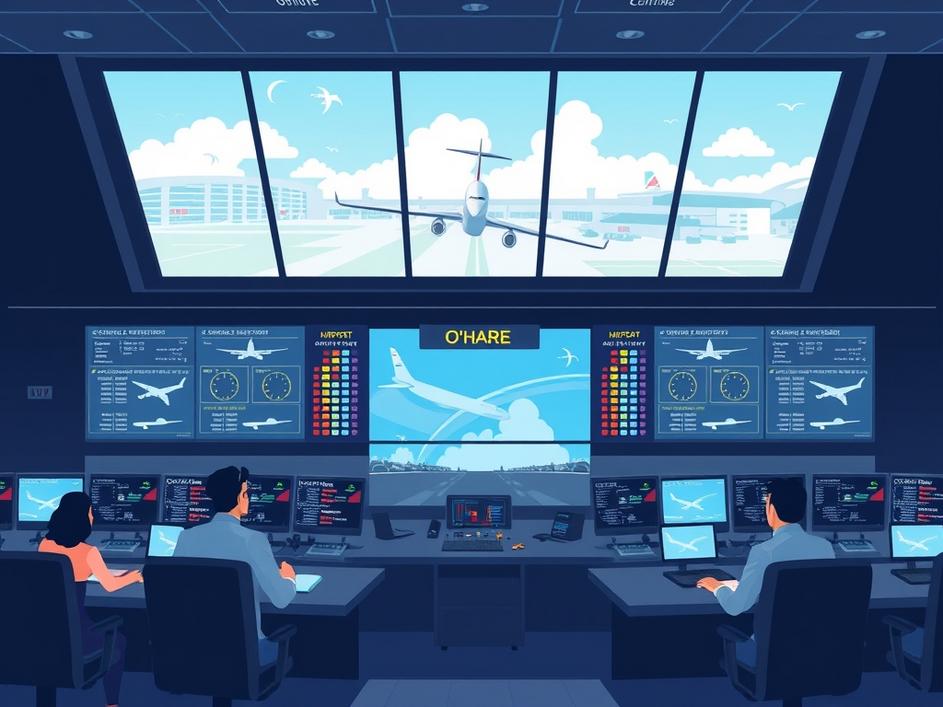
Chicago O’Hare International Airport, a place known for its hustle, bustle, and sometimes, travel headaches, has quietly undergone a significant tech upgrade. Since August of last year, they’ve been using a new digital system designed by International Gate Control (IGC) and AirportLabs. The goal? To make everything run smoother, from planes landing to passengers grabbing their bags. It’s a big promise, considering O’Hare’s reputation as one of the world’s busiest airports.
Think of this new system as O’Hare’s central nervous system. It’s supposed to give everyone – from ground crews to air traffic controllers – a clearer picture of what’s happening in real time. Instead of relying on outdated communication methods and manual processes, they now have a unified platform that manages gate assignments, aircraft turnaround times, and resource allocation. So, if a plane is delayed, the system can automatically adjust gate assignments and notify the relevant teams, minimizing the knock-on effects. The idea is that this proactive approach reduces delays and keeps things moving efficiently.
While the press releases tout increased operational precision, the real test is how this technology impacts the average traveler. Fewer delays are an obvious win, but the benefits extend beyond that. Imagine shorter taxi times, quicker baggage handling, and more accurate estimated times of arrival. If this system works as intended, it should contribute to a less stressful and more predictable travel experience. However, it’s important to remember that technology is only as good as the people using it. Training and proper implementation are crucial for realizing the full potential of this system.
One of the biggest advantages of this new system is the data it generates. By tracking every aspect of airport operations, O’Hare can identify bottlenecks and areas for improvement. This data-driven approach allows for continuous optimization and fine-tuning of processes. For example, if the system consistently shows delays at a particular gate due to baggage handling issues, the airport can allocate more resources to that area or adjust staffing levels. Over time, this data can be used to predict future demand and proactively address potential problems before they arise. This moves the airport away from reactive problem-solving to preventative measures.
Of course, no major technological overhaul is without its challenges. Integrating this new system with existing infrastructure is a complex undertaking. There are bound to be glitches and unforeseen issues along the way. Cybersecurity is also a major concern. A centralized system like this could be a tempting target for hackers. Protecting sensitive data and ensuring the system’s reliability are paramount. Furthermore, there’s the human element to consider. Some employees may resist change or struggle to adapt to the new technology. Proper training and ongoing support are essential for ensuring a smooth transition.
O’Hare’s adoption of this advanced operational system could set a new standard for airports around the world. If it proves successful, other major hubs are likely to follow suit. This could lead to a more connected and efficient global air travel network. Imagine a future where flight delays are minimized, baggage handling is seamless, and the entire travel experience is less stressful. While there are challenges to overcome, the potential benefits are significant. This kind of technology could play a crucial role in shaping the future of air travel.
Ultimately, the success of this digital transformation will be judged by the experiences of the passengers who pass through O’Hare every day. Will they notice a tangible improvement in service? Will their flights be more punctual? Will they spend less time waiting for their luggage? Only time will tell. But if this new system can deliver on its promises, it could make a real difference in the lives of millions of travelers. It will be interesting to watch how this technology evolves and impacts the broader air travel landscape.
This move by O’Hare seems to indicate a larger trend to leverage technology to improve the airport experience for everyone. As passenger numbers continue to grow, airports will need to find ways to manage the increased demand efficiently, and technology will be critical for making that happen. This implementation at O’Hare could pave the way for more innovation at other airports, resulting in more streamlined travel for us all.



Comments are closed