Palantir’s Promising Position
Palantir Technologies, known for its data analytics platforms, is heading into its fourth-quarter earnings report with a noticeable tailwind: its deepening collaboration with Nvidia in the artificial intelligence space. The company’s stock performance and recent strategic moves suggest that Palantir is positioning itself to capitalize on the growing demand for AI solutions, particularly within the enterprise sector. But can this momentum translate into sustained profitability and long-term success?
The Nvidia Effect: Fueling AI Expansion
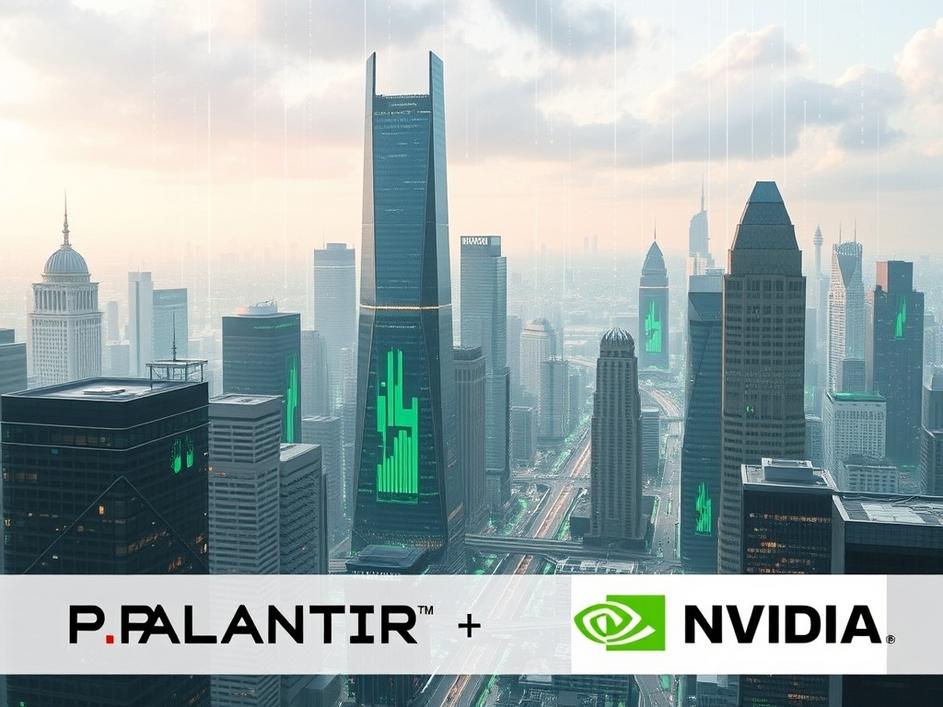
The partnership with Nvidia is a key element of Palantir’s current strategy. Nvidia’s powerful hardware and software, combined with Palantir’s data management and analytics expertise, create a compelling offering for businesses looking to integrate AI into their operations. This collaboration allows Palantir to provide more sophisticated and efficient AI solutions, attracting new clients and expanding its reach within existing accounts. The demand for AI is exploding, and Palantir’s association with Nvidia places it right in the middle of that growth.
Q4 Expectations: Beyond the Hype
While the AI narrative surrounding Palantir is strong, the upcoming Q4 earnings report will provide a critical reality check. Investors will be closely scrutinizing revenue growth, profitability metrics, and new customer acquisition. The company needs to demonstrate that its AI initiatives are not just generating buzz but are also contributing meaningfully to its financial performance. Simply talking about AI isn’t enough; Palantir must show concrete results. A lot of companies can say that they have AI, but can they generate real profit and real revenue?
Challenges and Considerations
Despite the optimistic outlook, Palantir faces several challenges. Competition in the data analytics and AI space is fierce, with established players and emerging startups vying for market share. Furthermore, concerns about data privacy and security remain paramount, especially when dealing with sensitive information. Palantir must navigate these challenges effectively to maintain its competitive edge and build trust with its clients. Another crucial issue is government contracts. As Palantir continues to get many of its contracts through the government, they may become viewed as overly reliant on those sources of income, and what happens when those contracts end or are not renewed? How will that effect Palantir? In addtion, the ethical considerations in the use of AI need to be taken into consideration. How will Palantir address these types of issues?
Looking Ahead: Sustainable Growth or Fleeting Trend?
The long-term success of Palantir hinges on its ability to translate AI hype into sustainable growth. The company needs to demonstrate that its solutions are not only innovative but also practical and cost-effective for businesses across various industries. Moreover, Palantir must continue to adapt and evolve its offerings to stay ahead of the curve in the rapidly changing AI landscape. The Nvidia partnership provides a significant boost, but Palantir’s ultimate fate rests on its own execution and strategic vision. If Palantir can successfully implement all of this, then they have a good chance to become a major AI player for decades to come. However, if they fail, then this could become yet another company that simply talked a good game without any of the results to back it up. It is critical that they focus on the long term and less on short term profit, as this can often lead to a company going in the wrong direction. It is important to consider if they are more of a value stock or a growth stock, and that will help guide the company’s future. What will their future look like?






Comments are closed