

We are a digital agency helping businesses develop immersive, engaging, and user-focused web, app, and software solutions.
2310 Mira Vista Ave
Montrose, CA 91020

2500+ reviews based on client feedback
What's Included?
ToggleIt’s easy to feel pulled toward the latest phone every year. The ads show sharper cameras, faster chips, and slick software, and it’s tempting to chase that glow. But the real math often doesn’t add up. A quick look at what you gain versus what you give up reveals a lot of wasted money and a bigger footprint than most people expect. In this post I share eight practical reasons to resist the annual swap and a few ideas for buying smarter while still staying connected.
Prices for new phones have climbed, and the total bill isn’t just the price on the box. You pay for a plan, accessories, screen protectors, and possibly extended warranties. If you finance, interest adds up fast. Over a few years, the total cost can rival or exceed the value you’d get from sticking with your old device. From my own budget experiments, holding off a year or two often nets serious savings that can fund bigger goals.
Most people don’t push their phones to the limit. Apps open, photos load, calls come through, and messages ping in. The upgrade from a 2-year-old model to today’s top tier often brings a nicer screen or a minute camera bump, but the day-to-day difference for most tasks is small. Since performance feels fine for years, a slightly older device can still feel fast and reliable. If you stay with what works, you’ll keep money in your pocket and still handle daily life with ease.
New OS versions bring features, yes, but many are cosmetic or not useful to you. Sometimes a fresh update slows an older device or forces changes you don’t care about. And security matters, but you don’t necessarily need the absolute newest hardware to stay protected. I’ve found that learning to manage apps, disable bloat, and keep a clean digital routine can buy you more value than a yearly hardware jump.
A phone’s battery wears out over time. Once capacity drops, performance feels sluggish and you’re chasing plug points more often. Replacing the battery can be far cheaper than buying a new device, and it buys you more usable years. If a phone has a solid repair path, the upgrade becomes optional rather than mandatory. Battery swaps are a practical way to stretch a device without breaking the bank.
Cracked screens, charging ports, and other issues pop up. Many reputable shops offer quick, affordable fixes that revitalize an older model. When you fix rather than replace, you’re cutting waste and saving money. You get familiar with your phone again and you get extra months or even years of service before you need to consider a new purchase.
New models start with a steep price drop in value as soon as they hit shelves. If you upgrade every year, you never ride the larger depreciation curve. Keeping a phone longer means you’ll eventually sell it for a reasonable amount, not a token offer right after launch. The longer you hold, the more you protect your money and reduce waste.
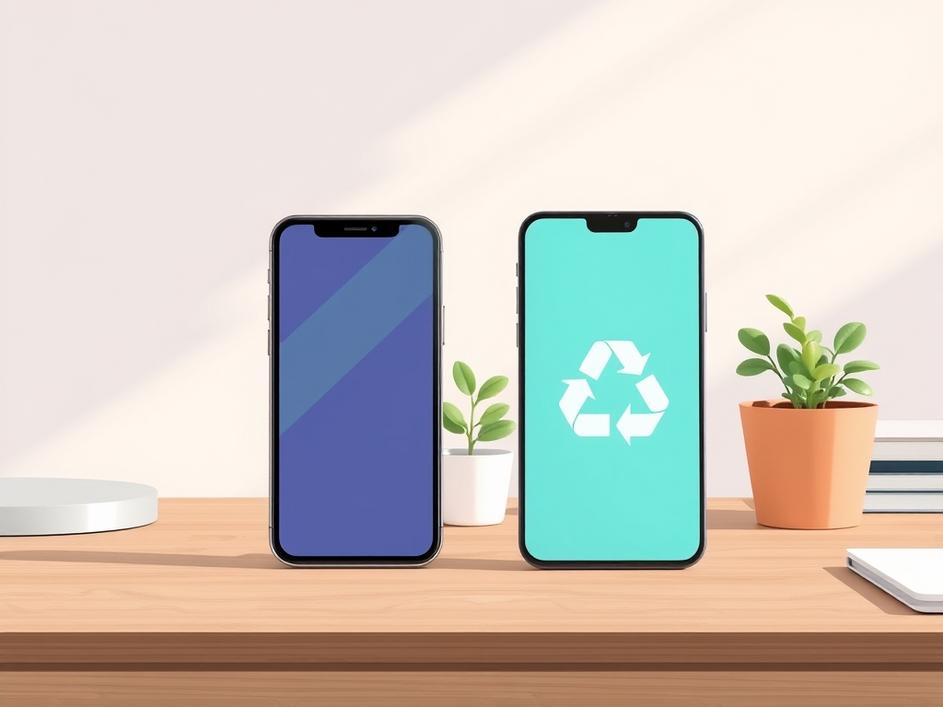
Phones use scarce metals and energy to produce. Upgrading yearly creates more waste and more demand for resources. Extending a device’s life cuts down on mining, manufacturing, and shipping emissions. If repair or borrow-from-a-friend isn’t possible, consider recycling programs and choosing devices designed for longevity. Small choices add up and push the needle toward a healthier planet.
Marketing loves to promise a miracle with every new model. In reality, improvements are often incremental and not worth the price tag for most users. If you’re juggling devices and feel the tug of every release, take a breath. The real value tends to show up in reliability, a solid battery, and a few well-chosen features—not in chasing the latest camera gimmick.
Your phone should be a dependable tool, not a symbol of constant consumption. If you decide to upgrade, do it with a plan that fits your budget and your real needs. Extending the life of your current device not only saves money and reduces clutter, it also gives you time to reflect on what truly matters in tech. The best upgrade is the one you don’t make today, but still feel confident using tomorrow.

Comments are closed