

We are a digital agency helping businesses develop immersive, engaging, and user-focused web, app, and software solutions.
2310 Mira Vista Ave
Montrose, CA 91020

2500+ reviews based on client feedback
What's Included?
ToggleRemember a few years back, when finding a new home often meant cruising neighborhoods, spotting a “For Sale” sign, or flipping through a thick local newspaper? Maybe you’d visit a crowded open house on a Sunday afternoon, grabbing a flyer from a cheerful real estate agent. For decades, these were the go-to ways to sell a home. They worked because that’s what everyone did. But today, things are different. People don’t just drive around; they pull out their phones. They don’t wait for Sunday; they browse listings any time. This shift means those old ways of getting people through the door just aren’t as effective anymore. It’s not that they’re completely gone, but they often struggle to generate the kind of interest they once did. Real estate professionals are feeling this change, and many are actively looking for new, smarter ways to connect with potential buyers who are increasingly digital-first.
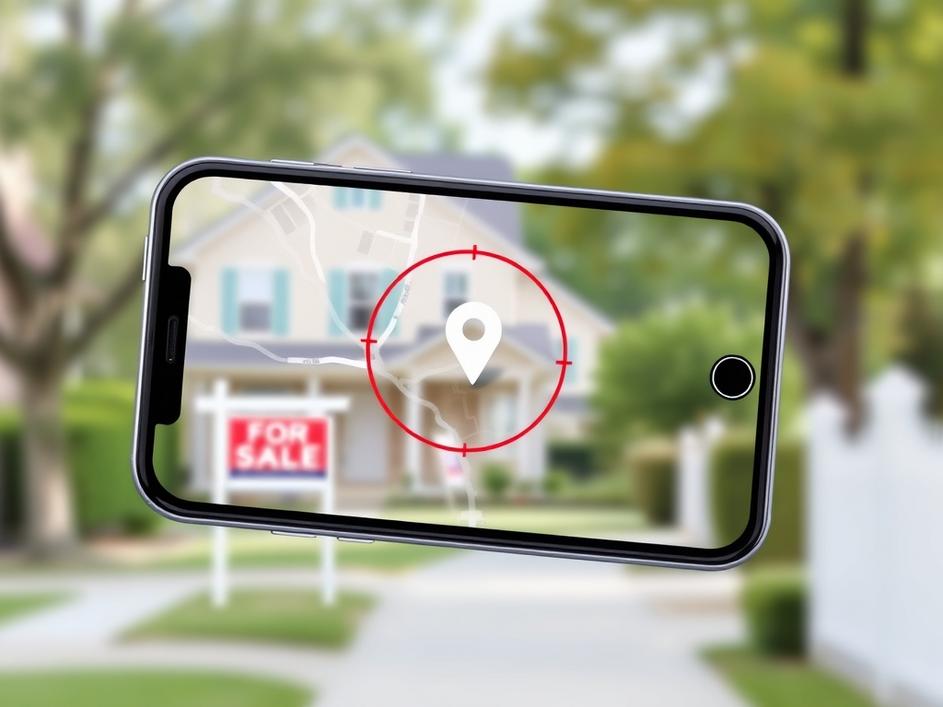
So, if the old methods are fading, what’s taking their place? One really interesting answer is something called geo-fencing. It sounds a bit technical, but it’s pretty simple when you break it down. Think of it like drawing an invisible line around a specific spot on a map, say, a particular house, a whole neighborhood, or even a local coffee shop. When someone carrying a smartphone crosses into that virtual boundary, or “fence,” that phone can then receive targeted messages or ads. It’s not magic, and it’s not creepy surveillance; it relies on people having given permission for location services on their apps. For real estate, this means an agent can set up a geo-fence around their new listing. When someone drives or walks by, an ad for that very house, perhaps with a link to more photos, pops up on their phone. Or, an agent could fence a popular park or shopping center in a desirable area, sending ads about homes nearby to people already enjoying that neighborhood. It’s about being present exactly where and when someone might be thinking about where they live.
The biggest win for real estate agents and brokers with geo-fencing is precision. Traditional marketing often feels like throwing a net into the ocean and hoping to catch a fish. You put an ad in a newspaper, but most readers aren’t looking for a house. You print flyers, but many get tossed. With geo-fencing, it’s more like using a spear. You know exactly where your target is, and you aim directly at them. Imagine a broker who has a luxury listing. Instead of blanket advertising, they can set a geo-fence around local high-end shopping districts or even nearby golf courses. People in those areas are much more likely to be potential buyers for that kind of property. This doesn’t just make the marketing more effective; it also makes it much more efficient. Agents aren’t wasting money on ads seen by uninterested eyes. They’re investing in reaching people who are already physically near or interacting with places that suggest they might be in the market for a home in a specific area. It’s a huge shift from spray-and-pray advertising to a highly focused, almost personal approach.
From the perspective of someone looking to buy a home, geo-fencing can actually be a good thing. Let’s be honest, nobody likes irrelevant ads. We get enough of those every day. But what if an ad popped up for a charming bungalow just as you were driving through a neighborhood you’ve always admired? Or perhaps you’re grabbing coffee in the town center, and an ad appears for a newly listed condo a block away. This feels less like spam and more like helpful information. It cuts through the general noise of online advertising because the messages are tailored to your current physical context. It can even spark interest in properties or areas you hadn’t considered, simply because the timing was perfect. For sellers, this means their property gets showcased to highly motivated and geographically relevant buyers. It increases the chances of real interest, real viewings, and ultimately, real offers, because the people seeing the ads are already in the right mindset or location.
Of course, with any new technology that uses location data, questions about privacy naturally come up. It’s important to remember that geo-fencing relies on users having enabled location services on their devices and within specific apps. It’s not about tracking individuals in a sneaky way, but about reaching broad groups of people within defined areas. The key for real estate professionals is to use this tool smartly and ethically. It’s about providing value, not being intrusive. As geo-fencing becomes more common, agents will need to become more skilled at setting up these campaigns, understanding their audience, and crafting compelling messages that resonate. This isn’t just a fleeting trend; it’s a fundamental change in how marketing works, moving from broad strokes to incredibly fine details. It means that successful agents in the coming years will be those who can blend their traditional people skills with a solid understanding of these powerful new digital tools. It’s about embracing innovation to stay competitive and relevant in a fast-changing market.
So, what does all this mean for the future of buying and selling homes? Geo-fencing is more than just a fancy new gadget; it represents a significant evolution in how real estate connects with people. It acknowledges that our phones are extensions of ourselves, always with us, and often reflecting our immediate interests and locations. By harnessing this technology, real estate marketing moves beyond simple billboards and generic online ads to create a much more personal and timely experience. It makes the hunt for a new home smarter, more efficient, and often, more enjoyable for everyone involved. As traditional methods continue to lose their edge, these targeted, location-aware strategies will likely become the standard, proving that sometimes, the best way to find a home is by simply being in the right place at the right time – and letting your phone do a little bit of the talking.



Comments are closed