

We are a digital agency helping businesses develop immersive, engaging, and user-focused web, app, and software solutions.
2310 Mira Vista Ave
Montrose, CA 91020

2500+ reviews based on client feedback
What's Included?
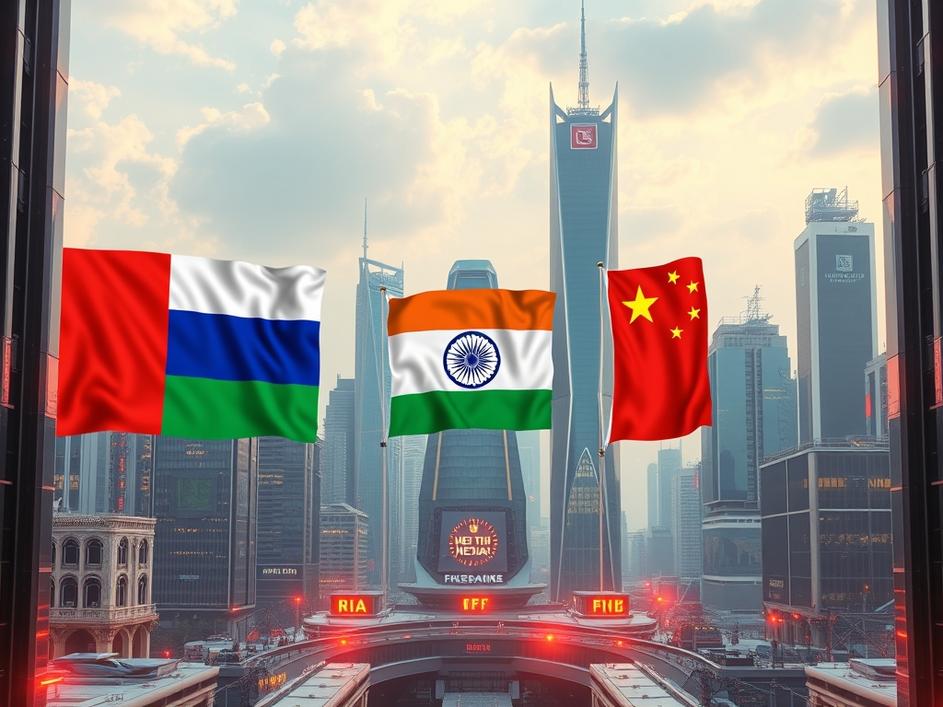
ToggleAt the recent VTB Investment Forum, “Russia Calling!”, Vladimir Putin laid out a vision for a high-tech partnership between Russia, India, and China. Speaking in Moscow, he emphasized the need for collaboration in the technology sector to drive growth and innovation. Putin sees this alliance as a key component in reshaping the global economic landscape, presenting an alternative to Western-dominated tech industries. The proposal highlights Russia’s ambition to play a central role in the future of technology, leveraging the combined resources and markets of these three major nations.
What makes this proposition so interesting? Well, consider the strengths each nation brings to the table. Russia has a long history of scientific and engineering prowess, particularly in areas like aerospace, defense, and software development. India boasts a massive and rapidly growing IT sector, with expertise in software services, digital technologies, and a vibrant startup ecosystem. China, of course, is already a global tech leader, with immense manufacturing capabilities, significant investments in research and development, and a huge domestic market to fuel innovation. Combining these strengths could create a formidable force in the tech world.
This isn’t just about economics; there are significant geopolitical considerations at play. For Russia, strengthening ties with India and China offers a way to reduce its dependence on Western markets and technologies, especially in light of ongoing sanctions and political tensions. For India, it presents an opportunity to diversify its partnerships and access cutting-edge technologies that might not be readily available elsewhere. And for China, it reinforces its position as a global power and expands its influence in the tech arena. A trilateral alliance could shift the balance of power in the tech industry and potentially challenge the dominance of the United States and other Western nations.
However, the path to a successful high-tech partnership won’t be without its challenges. Differences in political systems, economic priorities, and regulatory environments could create friction. There’s also the issue of intellectual property protection, which has been a concern for some companies operating in China and Russia. Furthermore, competition among the three nations in certain tech sectors could hinder collaboration. Overcoming these obstacles will require careful diplomacy, clear agreements, and a shared commitment to mutual benefit.
India, in particular, faces a delicate balancing act. While seeking to deepen its technological cooperation with Russia and China, it also maintains close ties with the United States and other Western partners. India’s strategic autonomy means it will likely pursue its own interests, carefully weighing the benefits and risks of each potential partnership. It’s unlikely that India would want to become overly reliant on any single country or bloc, preferring to maintain a diversified approach to its foreign policy and economic relations. India will look carefully at the value and risks.
Putin’s call for a high-tech partnership is more than just a business proposal; it’s a statement about the changing world order. It reflects a growing desire among some nations to create alternatives to the existing Western-dominated system. Whether this particular alliance will succeed remains to be seen, but it signals a potential shift in the global tech landscape. The implications of this shift could be far-reaching, affecting everything from trade and investment to cybersecurity and international relations. We are moving towards a multipolar world.
Ultimately, the success of this proposed partnership will depend on the willingness of Russia, India, and China to cooperate effectively and address the challenges that lie ahead. If they can overcome these obstacles, they could create a powerful engine for technological innovation and economic growth. However, if disagreements and competing interests prevail, the vision of a trilateral tech powerhouse may never materialize. The world is watching to see how this unfolds.
Putin’s call for a high-tech partnership between Russia, India, and China underscores a world in transition. It is a move born out of geopolitical strategy and economic ambition, with the potential to reshape the future of technology. While challenges undoubtedly exist, the collective strengths of these three nations could create a formidable force in the global tech arena. Whether this alliance becomes a reality or remains a vision, it serves as a reminder that the balance of power is shifting, and the future of technology will be shaped by those who are willing to collaborate and innovate on a global scale.

Comments are closed