

We are a digital agency helping businesses develop immersive, engaging, and user-focused web, app, and software solutions.
2310 Mira Vista Ave
Montrose, CA 91020

2500+ reviews based on client feedback
What's Included?
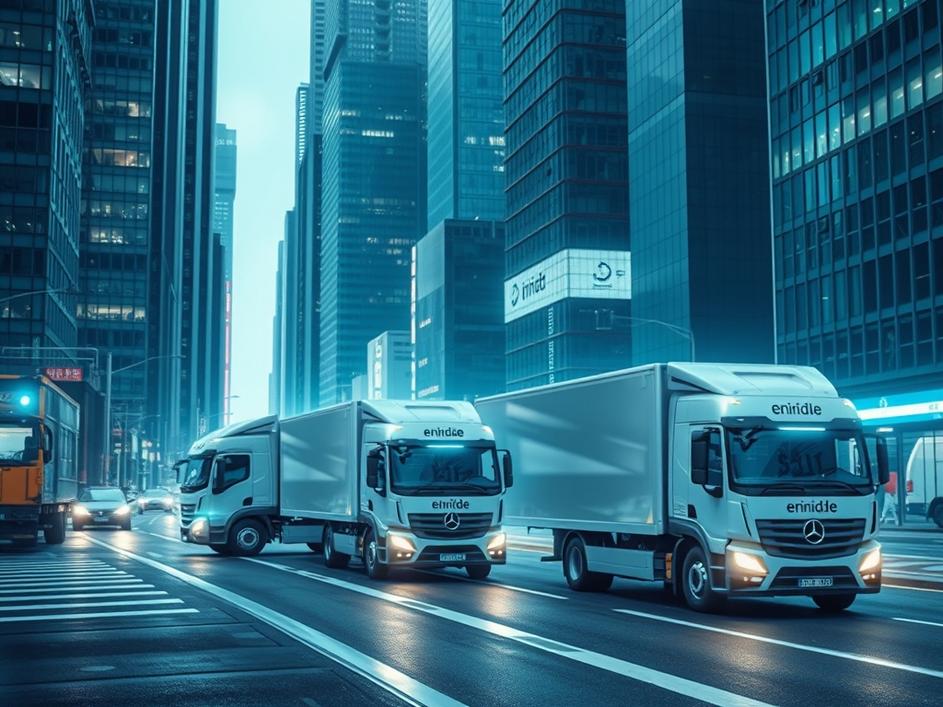
ToggleElectric trucks are already making waves as a more sustainable alternative to traditional diesel vehicles. And now, Einride, a company focused on electric and autonomous freight solutions, is taking things a step further. They’re partnering with IonQ, a leader in quantum computing, to tackle the complex logistics challenges involved in deploying these vehicles at scale. This collaboration signals a potential revolution in how we manage freight, promising greater efficiency and reduced environmental impact.
So, what’s the big deal about quantum computing and trucking? Well, managing a fleet of electric and autonomous vehicles involves a massive amount of data and complex calculations. Figuring out the best routes, scheduling charging, predicting maintenance needs, and optimizing delivery schedules – all while minimizing energy consumption – is a monumental task. Traditional computers struggle to handle these kinds of problems efficiently, especially as the number of vehicles and delivery points increases. That’s where quantum computing comes in. Quantum computers can explore many possibilities simultaneously, potentially finding optimal solutions that would be impossible for even the most powerful classical computers to discover. Think of it like searching for a needle in a haystack – a regular computer checks each piece of hay one by one, while a quantum computer can see the whole haystack at once.
Einride’s focus is on creating a complete ecosystem for electric and autonomous freight. This includes not just the vehicles themselves, but also the software and infrastructure needed to operate them efficiently. IonQ, on the other hand, is at the forefront of developing powerful and accessible quantum computers. By combining Einride’s industry expertise with IonQ’s quantum computing capabilities, the partnership aims to create a logistics platform that is smarter, more efficient, and more sustainable than anything we’ve seen before. The focus will be on optimizing fleet management, route planning, and charging schedules. It sounds like a match made in tech heaven.
While optimizing routes and charging is an immediate benefit, the potential applications of quantum computing in electric and autonomous freight extend far beyond. Consider predictive maintenance, for instance. By analyzing sensor data from vehicles using quantum algorithms, it might be possible to predict when components are likely to fail, allowing for proactive maintenance and minimizing downtime. Or think about optimizing battery usage based on real-time weather conditions and driving patterns. Quantum computing could also play a role in optimizing the design of future electric trucks and the charging infrastructure needed to support them. The possibilities are truly exciting.
Of course, this partnership isn’t without its challenges. Quantum computing is still a relatively young field, and building practical, real-world applications takes time and effort. Scaling quantum algorithms to handle the immense complexity of real-world logistics operations is a significant hurdle. And integrating quantum computing into existing logistics systems will require significant software development and infrastructure investment. But given the potential benefits, it’s a challenge worth pursuing. The cost of quantum computing is high. And this will need to come down before it becomes viable for every truck stop in America.
Einride’s partnership with IonQ represents a bold step towards a future where freight transportation is cleaner, more efficient, and more sustainable. By embracing the power of quantum computing, they’re not just optimizing routes; they’re paving the way for a fundamental transformation of the entire logistics industry. While the widespread adoption of quantum-powered logistics may still be some years away, this collaboration demonstrates the potential of this technology to address some of the most pressing challenges facing the transportation sector. Ultimately, it underscores the idea that innovation in freight isn’t just about building better trucks; it’s about building smarter systems.



Comments are closed