

We are a digital agency helping businesses develop immersive, engaging, and user-focused web, app, and software solutions.
2310 Mira Vista Ave
Montrose, CA 91020

2500+ reviews based on client feedback
What's Included?
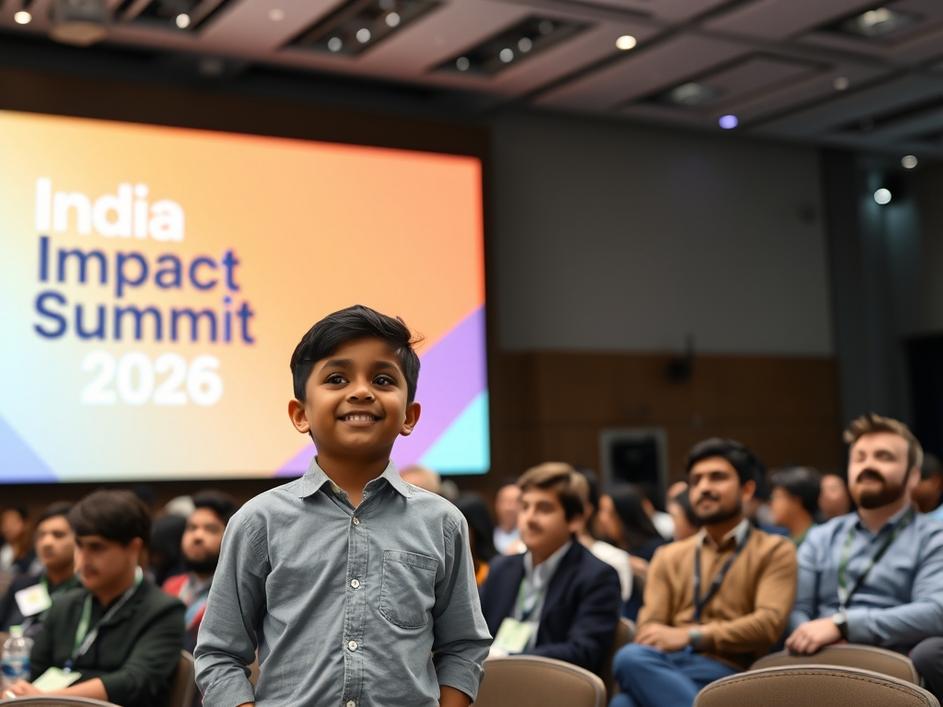
ToggleAt the India AI Impact Summit 2026, amidst a gathering of tech titans and policymakers, an eight-year-old named Ranvir Sachdeva took center stage. He wasn’t there to observe; he was there to speak. Identifying himself as a technologist, Ranvir became the summit’s youngest speaker, capturing the attention of industry leaders like Sundar Pichai of Google and Sam Altman of OpenAI. This wasn’t just a feel-good story; it signaled a shift in how we perceive and engage with the future of artificial intelligence. He wasn’t there just as a novelty, but as a contributor.
It’s easy to be captivated by the novelty of an eight-year-old interacting with tech CEOs. However, Ranvir’s presence at the summit represents something far more profound. He’s not just a child with an aptitude for coding; he possesses a deep understanding of AI concepts and their potential impact on society. This level of comprehension at such a young age suggests a paradigm shift in how future generations will interact with and shape technology. We see news about kids being coders, but it is rare to see them on a stage with giants in the field.
Ranvir’s story underscores the urgent need to rethink tech education. Traditional curricula often lag behind the rapid advancements in AI. His achievements highlight the importance of providing young people with opportunities to explore and develop their skills in emerging technologies from an early age. Instead of focusing solely on rote memorization, educational systems should foster creativity, critical thinking, and problem-solving skills – qualities that are essential for navigating the complexities of the AI era. This isn’t just about teaching kids to code; it’s about empowering them to become innovators and leaders in the field. It may even involve new teaching methods that are less dependent on traditional schooling methods.
Ranvir’s interactions with Sundar Pichai and Sam Altman also raise important questions about the responsibility of tech leaders. These individuals have the power to shape the future of AI, and their engagement with young innovators like Ranvir is crucial. By mentoring and supporting the next generation of technologists, they can help ensure that AI is developed and used in a responsible and ethical manner. This involves not only providing resources and opportunities but also fostering a culture of inclusivity and diversity within the tech industry. Creating such a culture is not just for appearance, but to make sure as many people as possible contribute.
While Ranvir’s accomplishments are inspiring, they also prompt us to consider the ethical implications of exposing children to advanced technology at such a young age. It’s important to strike a balance between nurturing talent and ensuring that children have the opportunity to develop holistically. Overemphasis on technical skills could potentially come at the expense of social, emotional, and physical development. As a society, we need to have conversations about how to support young technologists like Ranvir while safeguarding their well-being and promoting their overall growth. Perhaps it is time to create better guide rails.
Ranvir’s story can inspire other young people to pursue their interests in technology. The presence of Ranvir is a call to action for parents, educators, and policymakers. We need to create ecosystems that support young talent, providing them with the resources, mentorship, and opportunities they need to thrive. This includes investing in STEM education, promoting access to technology for underrepresented communities, and fostering a culture of innovation that encourages young people to dream big and push the boundaries of what’s possible. Ranvir might be exceptional, but that doesn’t mean we can’t support the next generation of tech leaders.
Ranvir Sachdeva’s appearance at the India AI Impact Summit 2026 wasn’t just a fleeting moment; it was a sign of things to come. The future of AI is being shaped by a generation of young, innovative thinkers who are not afraid to challenge the status quo. By embracing their talent, supporting their growth, and addressing the ethical considerations that arise, we can ensure that AI benefits all of humanity. It is an exciting time, especially with the new pace of advancements, and the people who lead us into this future may be younger than we expect.



Comments are closed