

We are a digital agency helping businesses develop immersive, engaging, and user-focused web, app, and software solutions.
2310 Mira Vista Ave
Montrose, CA 91020

2500+ reviews based on client feedback
What's Included?
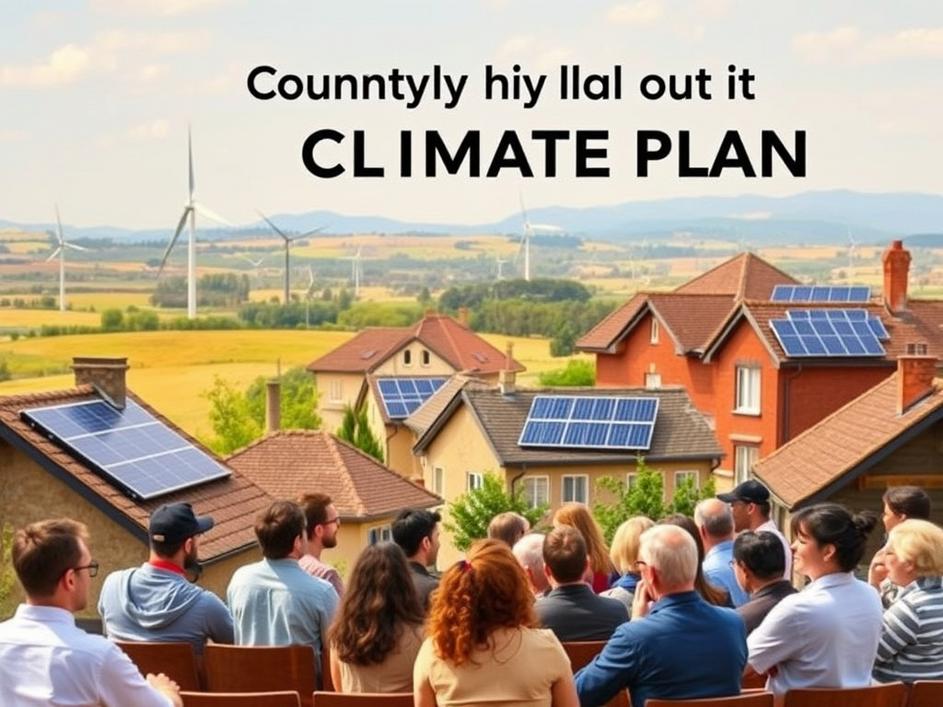
ToggleA new plan aims to cut carbon emissions by half in ten years. It covers power, transport, and homes. The headline numbers grab attention, but the real test is in the details. The government says the plan will push cheaper energy, cleaner air, and jobs in new industries. It sets targets for every sector and a timetable to reach them. That matters because promises without a schedule fade fast. The plan also creates a fund to help households and small firms handle the shift. It isn’t just about speeches; it’s about money, rules, and a plan to follow. The challenge is to balance speed with fairness. If it works, you feel it in your wallet and in the air you breathe. If it stalls, trust is lost.
People notice changes fast when bills go up or down. The early weeks show if subsidies reach the people who need them. The plan promises lower bills in the long run, but the short term might sting. Some households will save on heating if they switch to efficient systems. Others will pay more for gas or electricity during the transition. Small businesses worry about upfront costs. The government says there will be grants and loans, plus a smoother path for loans to help upgrades. The big question is timing. Delays can test patience. People want a clear path, not a policy that drags on. A few bad outages or a cold winter can shift public mood quickly.
Investors watch the risks and the returns. Clean energy projects get room to grow. But some industries fear higher rules could raise costs. Utilities must upgrade old grids; that needs capital and time. Car makers push for standards, but they fear price tags. Startups in energy storage or home retrofits can ride the wave. The plan creates markets for efficiency, not just new gadgets. The result could be more jobs, but shifts in the job mix too. Workers in older sectors may need retraining. The government hints at retraining money, which is a good signal. Still, the plan will test the patience of business leaders who want a predictable path and steady expectations.
No policy survives without votes and nerves. Some parties will push back, arguing the costs fall on the many. Others will praise the longer view and potential benefits. The plan could be a political win if results show, or a trap if work drags on. The timing matters as well. If the economy slips, opponents call the plan reckless. If jobs grow, supporters celebrate. The truth is usually somewhere in between. Good policy needs time to show real gains. Politics will try to simplify the story, but there are trade-offs behind the scenes. The plan’s resilience depends on how it handles criticism and adapts to facts on the ground.
Equity sits at the heart of the story. Lower-income households often spend more on energy. The plan includes subsidies and rebates to balance things out. But programs can miss people or run out of money. Simplicity helps, but the market is messy. The rule should be to protect the vulnerable first. Money should follow need. Regulations should not crush small firms that barely survive. Local leaders may decide how funds are used, which can lead to uneven results. A fair plan needs clear rules and regular check-ins. People want to see progress, not empty promises. The success of the plan depends on keeping that balance intact.
Take a breath and look at your own bills. Start with small, practical steps. Improve insulation, switch to efficient devices, and compare energy plans. Talk to your local council about grants. If you run a business, map your energy use and plan upgrades. The policy gives a frame; your choices fill it. Stay informed and ask questions. When new rules roll out, offer feedback. This isn’t a lecture; it’s a shared effort. The plan will succeed only if people feel they have a stake in it. It’s about cleaner air, steadier jobs, and a fair price tag for everyone.
A policy alone won’t change the air. People do. The new plan lays out a map, but the miles ahead depend on how we walk it. We’ll see more heat pumps, better insulation, and cleaner streets if the money and rules work together. It’s not about being hopeful or skeptical, but about paying attention to the details. A plan is only as good as its follow-through. If politics stays honest and the process stays open, this could be a moment to reset how we live and work. In the end, it’s about making climate care practical for everyday life.



Comments are closed