

We are a digital agency helping businesses develop immersive, engaging, and user-focused web, app, and software solutions.
2310 Mira Vista Ave
Montrose, CA 91020

2500+ reviews based on client feedback
What's Included?
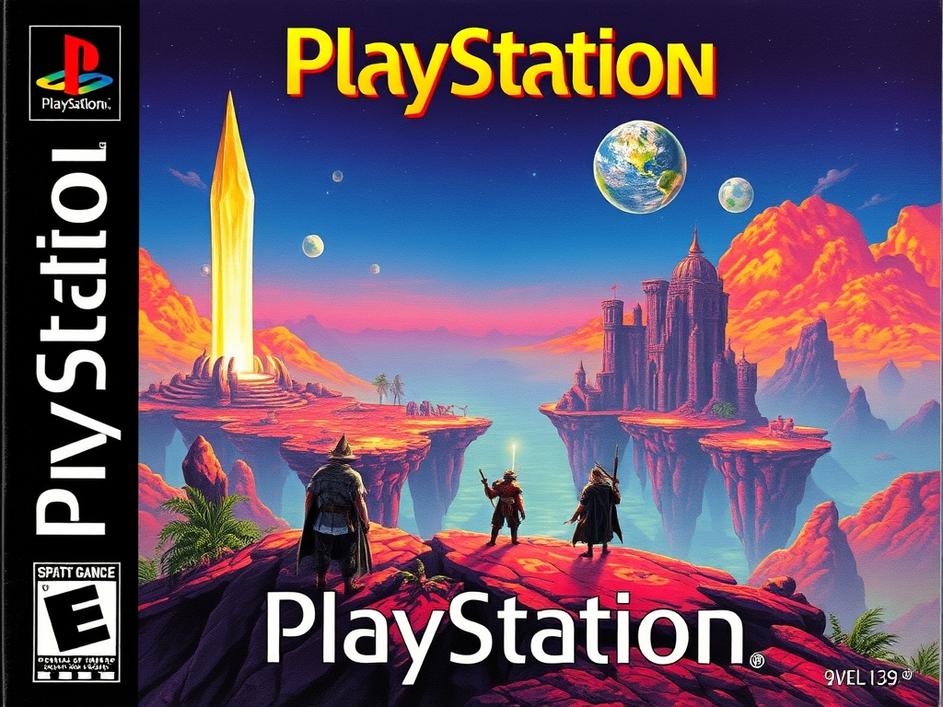
ToggleTwenty‑six years have passed since Sony slipped a modest RPG onto the original PlayStation. It didn’t make a splash like Final Fantasy VII or Metal Gear Solid, but the game has a small, loyal fan base that still talks about it. The title arrived at a time when 3D graphics were still new, and developers were experimenting with how to blend turn‑based combat with real‑time elements. The result was a system that felt fresh, even if the marketing machine never gave it a big push. Looking back, it’s clear the game was ahead of its time in several ways, and that’s why it still matters today. In this post I’ll walk through what made the game special, why it slipped under the radar, and why it deserves another look.
The combat system mixed button‑press timing with traditional menu choices. You could press a button at the right moment to boost damage or defend, which added a layer of skill that most RPGs of the era lacked. The world itself was built on a mix of fantasy and sci‑fi, with floating islands, ancient machines, and a plot that revolved around a mysterious crystal. Characters each had personal motives that unfolded through optional side quests, giving the story depth beyond the main quest line. The music, composed with a blend of orchestral and synth tones, still rings in my head when I hear the opening theme. All these pieces came together to create an experience that felt both familiar and new, something you rarely see in a first‑generation console game.
So why did the game stay hidden? For one, Sony’s marketing budget was focused on bigger franchises. The game didn’t get a flashy TV spot or a big storefront display. It also launched alongside several heavyweight titles, meaning reviewers had little time to dig deep. The graphics, while ambitious, showed the limits of the hardware, and some critics called the visuals “unfinished.” Those early impressions stuck, and the game never got a chance to rebuild its reputation. Additionally, the publisher didn’t push a sequel or a remaster, so new players never discovered it on later consoles. All of that combined to create a perfect storm of neglect, even though the core game was solid.
Even with a small audience, the game left fingerprints on later titles. The timing‑based combat inspired mechanics in later series like “Final Fantasy X” and even some indie JRPGs that try to make battles feel more interactive. The world‑building approach, mixing mythic elements with tech, can be seen in modern games that blend genres. Some developers have mentioned the title in interviews, noting how it proved you could add skill‑based actions without breaking the turn‑based flow. The soundtrack has been covered by fan musicians on YouTube, keeping the melodies alive for a new generation. In short, the game’s DNA lives on, even if the name isn’t on the mainstream radar.
I first played the game when I was a teenager, borrowing a friend’s console for a weekend. I remember staying up late to finish the final boss, feeling the rush when my timing hit just right. That feeling stuck with me, and I’ve revisited the game on emulators a few times since. Each playthrough reminded me how much fun a well‑crafted RPG can be without a massive budget. It also taught me to look beyond the hype and give lesser‑known titles a chance. In an age where remasters dominate the market, I think there’s value in digging up these hidden gems. They remind us that great design can survive decades, even if the graphics age.
So, twenty‑six years later, the game still has something to say. It may never reach the sales numbers of the big franchises, but its design choices still feel relevant. If you enjoy a mix of strategy, timing, and a story that rewards curiosity, it’s worth tracking down a copy or a legal re‑release. The lesson here isn’t just about one forgotten RPG; it’s about how many good games slip through the cracks when marketing outweighs quality. By giving these titles a second look, we keep the medium diverse and honor the creators who took risks. Maybe the next time you browse a retro shop, you’ll spot that unassuming box and give it a try. You might find a hidden adventure that still feels fresh after all these years.
Source: Original Article

Comments are closed