

We are a digital agency helping businesses develop immersive, engaging, and user-focused web, app, and software solutions.
2310 Mira Vista Ave
Montrose, CA 91020

2500+ reviews based on client feedback
What's Included?
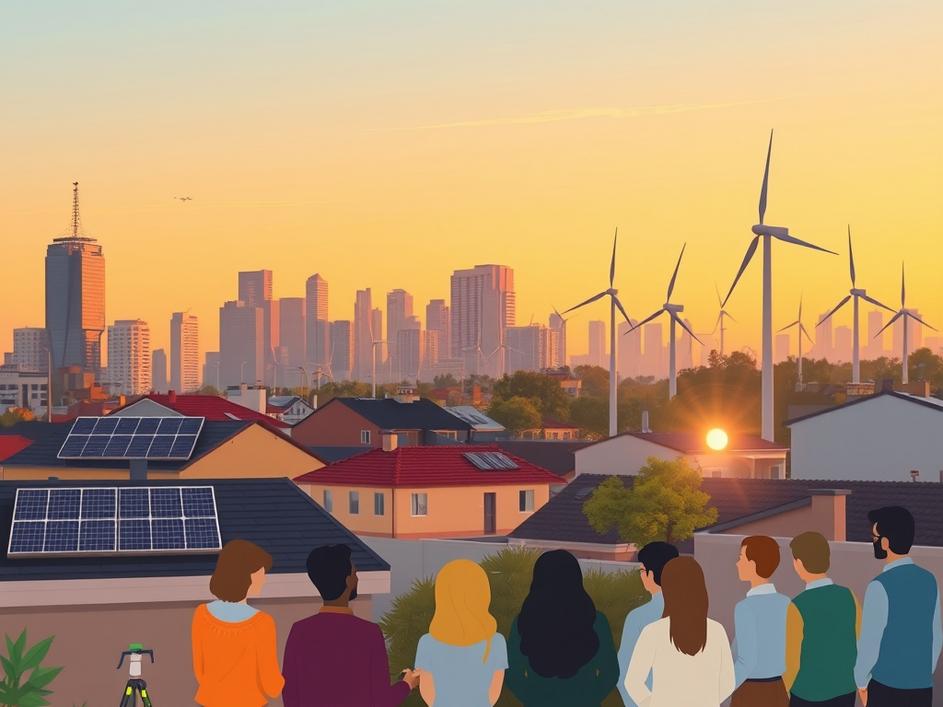
ToggleWhen the city council announced its plan to switch to clean energy, it felt like a turning point. The idea is simple: move away from old coal and gas plants. Replace them with wind and sun. Update the grid so it can handle more power from distant sources. Build storage so power is steady even on cloudy days or at night. The goal is a big cut in smoke and a steadier energy bill for households. The plan comes with a long timeline, clear milestones, and a lot of questions. There are worried voices and hopeful ones. The real test is whether the plan sticks through the years and keeps the public safe, steady, and informed. This is not a sprint. It is a patient project that will unfold in years, not months.
The money picture is messy. The city will use grants, bonds, and some rate changes. Officials say the increases will be small at first and spread out. They promise that long-term savings will help families keep more in their pockets than they spend on energy in the future. It is a tough balance. Upfront costs rise with new lines, storage plants, and weatherproofing the grid. Small businesses worry they will see higher bills and pass the cost to customers. Community groups push back if the plan hits low-income neighborhoods hardest. Public programs aim to ease this. The plan must be seen as fair. Without that trust, the whole effort stalls before it starts. Money is the practical side, but it shapes every other choice.
People will notice changes in the months ahead. Less pollution in the air means easier breathing for kids and older folks. There will be more charging stations for cars and buses, and quieter streets as diesel engines fade away. But there will be work in the streets. Lanes will close. Power lines may blink during switchovers. The plan tries to keep lights on, even as old plants retire. Some residents worry about flickers or brief outages during the switch. The city says these are expected but manageable with storage and careful timing. The bigger shift is how people think about energy. It stops being something that happens far away and starts to feel closer to home. That awareness alone changes habits, for the better or the worse, depending on how things go.
Every big change meets friction. Grid capacity, supply chains, and the pace of change can slow progress. Regulators want proof that the plan works before it spends more. Neighborhood groups demand a seat at the table. Workers worry about jobs in transition. The city has listened, holding meetings, collecting comments, and adjusting timelines. But listening is not the same as agreement. The path forward needs accountability, clear milestones, and simple, honest updates. If delays creep in, trust erodes. If costs creep up, more people feel left out. This is where public pressure helps. Pressure keeps the plan honest and grounded. In the end, the plan will stand or fall on how well the city handles the balance between ambition and practicality.
The city is not alone. Other places have tried similar shifts. Some saw faster gains in air quality. Others faced stubborn bills and delays. The common thread is starting small and growing. A smart move is to pilot upgrades in a few districts first. That gives a live test before a full roll-out. Training programs for local workers help too. People need good jobs that come with the work. Community partnerships protect the most vulnerable. One lesson is to combine better efficiency with new power. It saves money and reduces waste. Another lesson is to keep the public informed with plain talk and regular updates. When people see real progress in small steps, support grows for the bigger plan.
Change like this is rare, but not impossible. It asks people to share the risk and the reward. It asks voters, renters, and small business owners to watch closely and speak up when things go wrong. The city has shown it wants a cleaner future. It will need grit, patience, and a steady hand. The road may be bumpy. Some days will be good. Some will be quiet and slow. The important thing is to stay focused on the goal while keeping fairness at the center. If the plan survives the early tests, it can become a model for others. If not, it will teach a harsh lesson about what happens when timing and support fall apart. Either way, it prompts us to talk more honestly about what we want from our energy system.



Comments are closed