

We are a digital agency helping businesses develop immersive, engaging, and user-focused web, app, and software solutions.
2310 Mira Vista Ave
Montrose, CA 91020

2500+ reviews based on client feedback
What's Included?
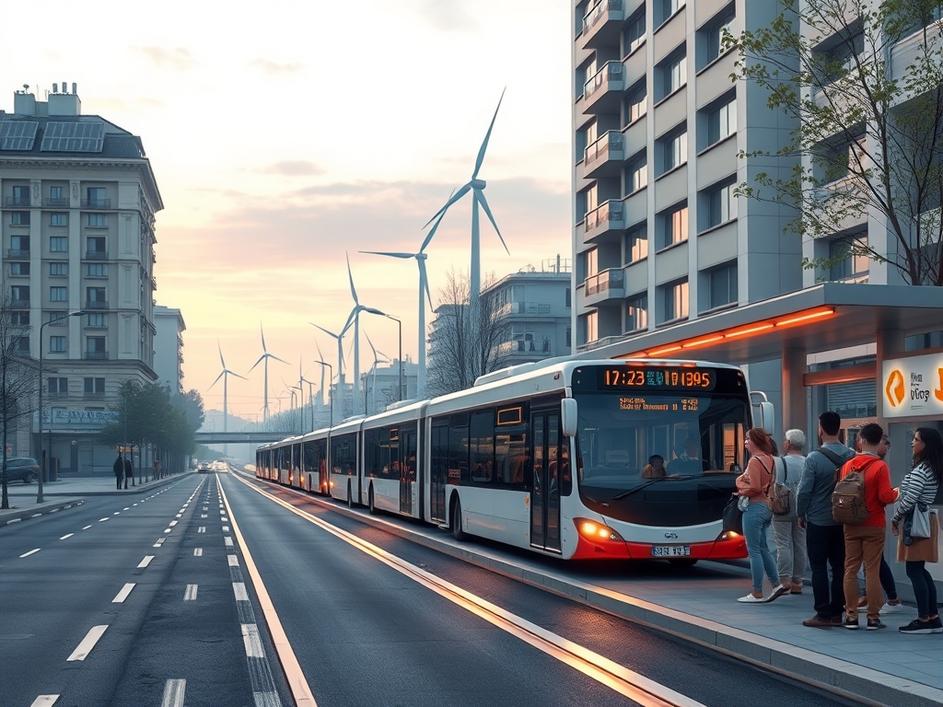
ToggleThe city announced a plan to roll out AI-powered buses, hoping to iron out delays and cut pollution. The system uses real-time data from thousands of sensors and rider apps to adjust routes, change frequencies, and slow or speed up buses as needed. Officials say it could shave minutes off commutes during rush hour and help people who rely on transit the most. That sounds good in theory. But the real test is not a polished demo. It shows up on your street, at your stop, when you’re holding a card and a cold wind is blowing. The news feels shiny, yet real life is messy. I want to look beyond the splashy launch and see what it means for everyday riders.
The tech aims to shape routes by demand, which could lift underserved neighborhoods. The idea sounds fair, but data can be biased if not watched closely. Who decides which areas get more buses, and who checks the numbers? A good plan must guard privacy, set clear data limits, and publish results in plain language. It should include the voice of people who ride, not just engineers. I want to see a detailed commitment to affordable fares, accessibility, and language support, so seniors, people with disabilities, and non-native speakers aren’t left out. If the goal is fairness, the city should spell out how success is measured and who gets to judge it. Otherwise it becomes a glossy quote in a press release, not a real upgrade.
Algorithms run on data, and data can be noisy. If the city leans too much on sensors and apps, glitches will show up in the worst moments. And there’s the human side: drivers, dispatchers, mechanics, and call-center staff who keep the system alive. Will they get training and a say in how the routes are changed? There’s also a risk that the plan favors peak times and forgets late-night or weekend riders. The city should publish honest performance numbers with simple explanations and invite community feedback. If results aren’t clear or timelines slip, residents will lose trust fast. A successful rollout needs steady accountability and a plan for problems, not excuses.
For the everyday commuter, timing is life. If buses arrive on schedule and drop you where you need to go, the day feels lighter. If it halves wait times, people breathe easier and walk a bit more, which helps local shops too. But delays happen, and residents tolerate them only when there’s a fast fix and honest explanations. The plan should include real-person support, easy ways to report issues, and clear signage about changes. It helps to offer free wifi on buses and simple multilingual boards so families without smartphones aren’t left out. Tech should serve people so life stays predictable, not create a new layer of stress when something goes wrong.
This move sits inside a bigger shift: transit as the backbone of a livable city. Strong buses and trains can spur healthier streets, more foot traffic, and a sense of belonging in neighborhoods. But it should not stand alone. If data guides trips, local planning must also address housing, parking, and street safety. A smarter transit system works best when it sits with a broader plan for density that respects budgets and keeps homes nearby. The city is placing trust in machines to guide some choices, but humans still write the rules and steer the journey. A good plan connects software with sidewalks, and it invites people to shape the future of their own streets.
In the end, a tech-forward transit plan is only as good as the follow-through. Headlines draw eyes, but the real story is in small wins over weeks and months. If the city remains simple, transparent, and fair, people will give it a chance. If not, the idea fades and leaves a sour taste. The hard part is listening—really listening—to riders, workers, and neighbors who feel the city in different ways. The steady work of earning trust, releasing clear progress updates, and fixing problems matters more than any fancy launch. The future of urban transport should be about people moving together with dignity, not about gadgets alone. I will watch how city hall invites comments and how quickly it turns advice into action. Real progress shows up in small changes people feel day to day.



Comments are closed