

We are a digital agency helping businesses develop immersive, engaging, and user-focused web, app, and software solutions.
2310 Mira Vista Ave
Montrose, CA 91020

2500+ reviews based on client feedback
What's Included?
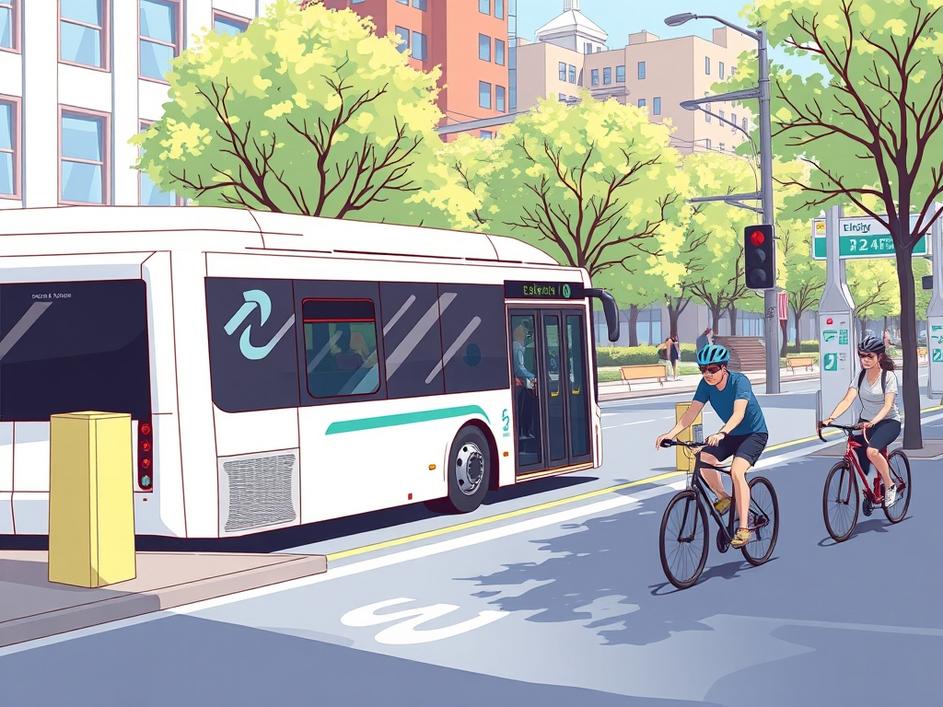
ToggleCity officials unveiled a plan to replace many diesel buses with electric models. It comes with a push to expand charging hubs, update routes, and redesign street space to favor pedestrians and cyclists. The goal is cleaner air, quieter streets, and faster trips for riders. The plan also includes subsidies to keep fares stable for low income riders during the switch. It is a real bet on how people move around a city, not just a promise. The big question now is timing, cost, and whether the system can keep running as the change rolls out.
The move fits a line of goals many cities chase. Cleaner air helps kids breathe easier and cuts down on health problems tied to pollution. A shift to electric buses also reduces noise and makes late night services more pleasant. Energy prices are volatile, and a larger fleet of electric buses can stabilize operating costs in the long run. There is also a hope to show that public transit can set a real example for local climate action. Timing matters, though. If the rollout is clunky, people may lose trust. The challenge is to make the change feel like progress, not a disruption.
Upfront costs are large. Buses, charging stations, and upgrades to depots add up. The plan leans on a mix of city funds, state grants, and private partnerships. It may also shift some money from other projects to avoid new taxes. In return, the city expects lower fuel costs and less maintenance over time. Less noise and fewer emissions can save money on health and quality of life. Hard to say how fast the savings will show up, but long term, the math looks reasonable if ridership stays steady. The real test is staying on budget while the buses are rolling out and the routes change.
People who ride the buses every day notice small changes first. Buses are quieter now, doors are smoother, and schedules feel more predictable. For drivers, new training is needed. Electric buses drive differently, and technicians must learn new maintenance routines. The plan should focus on equity, making sure riders in southern neighborhoods get the same service as those in wealthier parts of town. Accessibility features must be visible and reliable. Neighborhoods along the routes should be consulted about curb space, bus lanes, and safety. A good rollout listens to the people most affected and adjusts quickly.
Battery range is a constant concern. Cold weather, hills, and crowded routes can drain charge faster. The city needs a robust charging network that can keep buses moving through the day. If chargers fail or become bottlenecks, delays pile up. The grid must handle a larger load, and that means coordination with the electric utility. Vehicle supply chains can slow the plan too. Delays in new buses or parts push back timelines and erode public faith. The plan should include transparent timelines, with backup options in case a model is delayed or a station is out of service.
In my view, a phased approach works best. Start with a few routes in a trial area, monitor performance, and share data with riders. Build a public dashboard showing delays, emissions, and rider satisfaction. Bring in community groups to review progress every few months. Ensure drivers have a say in shift patterns and routes. Keep fares predictable and simple. The city should also prepare for the long haul: battery recycling, workforce training, and equitable street design. If done right, the change can feel like a chorus rather than a crash, with every voice finding a place in the plan. In the end, what matters most is whether the city makes life easier for the people who ride it every day.
Beyond routes and budgets, this change reaches into how a city feels. Buses become moving spaces where neighbors meet, where a student can get to class, and where small businesses find customers. When the streets slow down to let riders cross safely and when morning chatter fills a warm bus, the city shows its care for everyday life. The plan’s success will depend on more than numbers. It will hinge on trust, routine, and a steady hand at the wheel, both literal and figurative. If the city uses this chance to improve safety, add affordable options, and keep voices heard, the benefits stretch far beyond the timetable. And if it fails, the same streets will feel louder, harsher, and more divided. The choice is there in every bus that rolls out and every rider who boards it. That is the future this city should aim for.



Comments are closed