

We are a digital agency helping businesses develop immersive, engaging, and user-focused web, app, and software solutions.
2310 Mira Vista Ave
Montrose, CA 91020

2500+ reviews based on client feedback
What's Included?
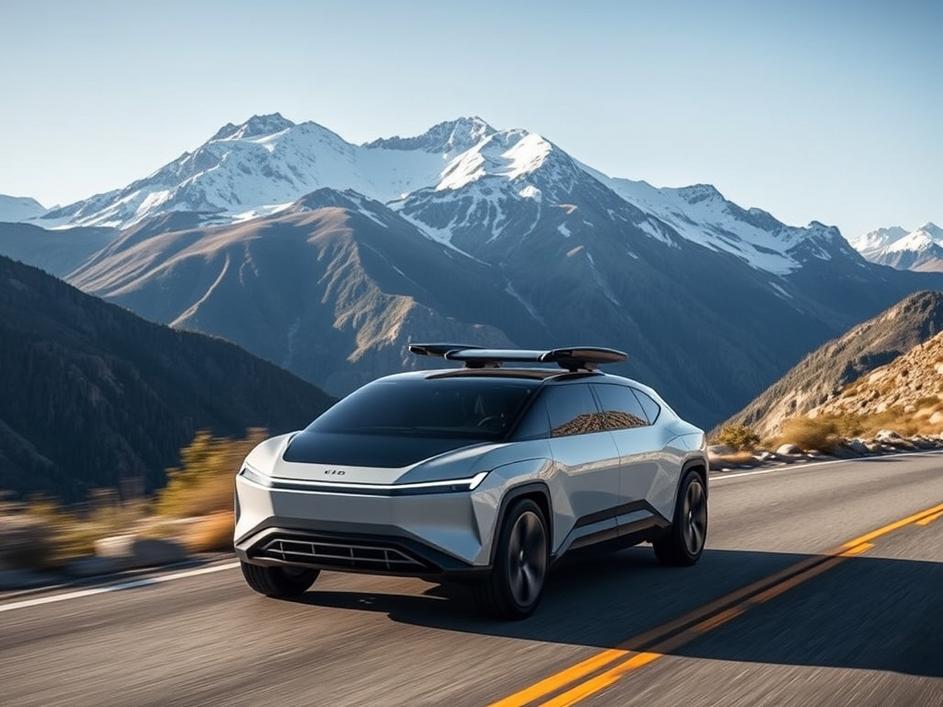
ToggleRivian, the electric adventure vehicle company, is taking a significant step towards achieving full autonomy. They’re not just tweaking existing systems; they’re building their own. This involves developing their own AI chip and integrating a new lidar system into their vehicles. It’s a bold move, signaling a deep commitment to self-driving technology and a desire to control their own destiny in this rapidly evolving space.
The decision to design an in-house AI chip is a crucial one. Most automakers rely on established suppliers like NVIDIA or Mobileye for their autonomous driving platforms. While these solutions offer a head start, they also come with limitations. Rivian likely believes that by crafting their own chip, they can better tailor the hardware to their specific software and sensor suite. This allows for greater optimization, potentially leading to superior performance and energy efficiency. Plus, it gives them complete control over the chip’s roadmap, ensuring it aligns with their long-term vision for autonomy.
Lidar (Light Detection and Ranging) is another essential component of Rivian’s autonomous driving system. Lidar uses laser beams to create a 3D map of the vehicle’s surroundings, providing highly accurate and detailed information about objects, distances, and road conditions. While some companies are hesitant about the cost and appearance of lidar, Rivian is embracing it as a key sensor for achieving true self-driving capabilities. The integration of a new lidar system suggests that they’re prioritizing robustness and reliability over cost-cutting measures, at least for now.
Rivian’s strategy represents a high-risk, high-reward approach. Developing an AI chip and integrating a sophisticated lidar system requires significant investment in research and development. There’s no guarantee that Rivian’s in-house solutions will outperform those offered by established suppliers. However, if they succeed, they could gain a significant competitive advantage. By controlling the core technologies behind their autonomous driving system, Rivian can differentiate its vehicles and offer unique features that competitors can’t easily replicate. This level of vertical integration could also lead to cost savings in the long run, as they reduce their reliance on external vendors.
While the technical aspects of Rivian’s autonomous driving system are impressive, it’s important to consider the user experience. Ultimately, the success of self-driving technology depends on how well it integrates into people’s lives. Rivian needs to ensure that their autonomous features are intuitive, reliable, and safe. They need to build trust with their customers, demonstrating that their vehicles can handle a wide range of driving scenarios with confidence. This requires extensive testing and validation, as well as a focus on transparency and communication. Providing clear explanations of how the system works and what its limitations are is crucial for building user confidence and acceptance.
Rivian isn’t the only company pursuing autonomous driving technology. Tesla, Waymo, and other automakers are also investing heavily in this area. The race to full autonomy is highly competitive, with each company taking a different approach. Some are focusing on camera-based systems, while others are relying on lidar and radar. Rivian’s decision to develop its own AI chip and integrate lidar sets it apart from many of its competitors. It’s a bold bet that could pay off handsomely if they can deliver a superior autonomous driving experience.
Rivian’s commitment to autonomy reflects a belief that self-driving technology will play a significant role in the future of transportation. They envision a world where vehicles can handle routine driving tasks, freeing up drivers to focus on other activities. This could lead to increased safety, reduced traffic congestion, and improved accessibility for people who are unable to drive themselves. However, the transition to full autonomy will not happen overnight. It will require ongoing innovation, rigorous testing, and careful consideration of ethical and social implications. Rivian’s efforts to develop its own AI chip and lidar system demonstrate a willingness to tackle these challenges head-on and shape the future of driving.
Rivian’s bet on in-house AI and lidar isn’t just about adding another feature to their vehicles. It’s about defining their brand and creating a unique identity in the crowded electric vehicle market. They’re positioning themselves as innovators, not just manufacturers. By controlling the core technology behind their autonomous driving system, they can offer a level of customization and integration that others can’t match. This allows them to create a truly differentiated product that appeals to customers who value cutting-edge technology and a seamless driving experience. In a market where many EVs look and feel similar, Rivian is betting that their commitment to autonomy will set them apart.
Rivian’s move could have ripple effects across the automotive industry. If they succeed in developing a superior autonomous driving system, other automakers may be forced to reconsider their own strategies. Some may choose to partner with Rivian, while others may invest more heavily in their own in-house development efforts. The competition for talent and resources in the autonomous driving space is already fierce, and Rivian’s entry into the chip design arena will only intensify it. Ultimately, this increased competition should lead to faster innovation and better autonomous driving systems for everyone.
Rivian’s ambitious plan to build its own AI chip and integrate a new lidar system is a testament to their commitment to autonomous driving. It’s a bold move with significant risks and rewards. While the road to full autonomy is long and uncertain, Rivian’s vision is clear: to create a truly differentiated electric adventure vehicle that offers a seamless and enjoyable driving experience. Whether they succeed or not, their efforts will undoubtedly shape the future of transportation and accelerate the development of self-driving technology.


Comments are closed