

We are a digital agency helping businesses develop immersive, engaging, and user-focused web, app, and software solutions.
2310 Mira Vista Ave
Montrose, CA 91020

2500+ reviews based on client feedback
What's Included?
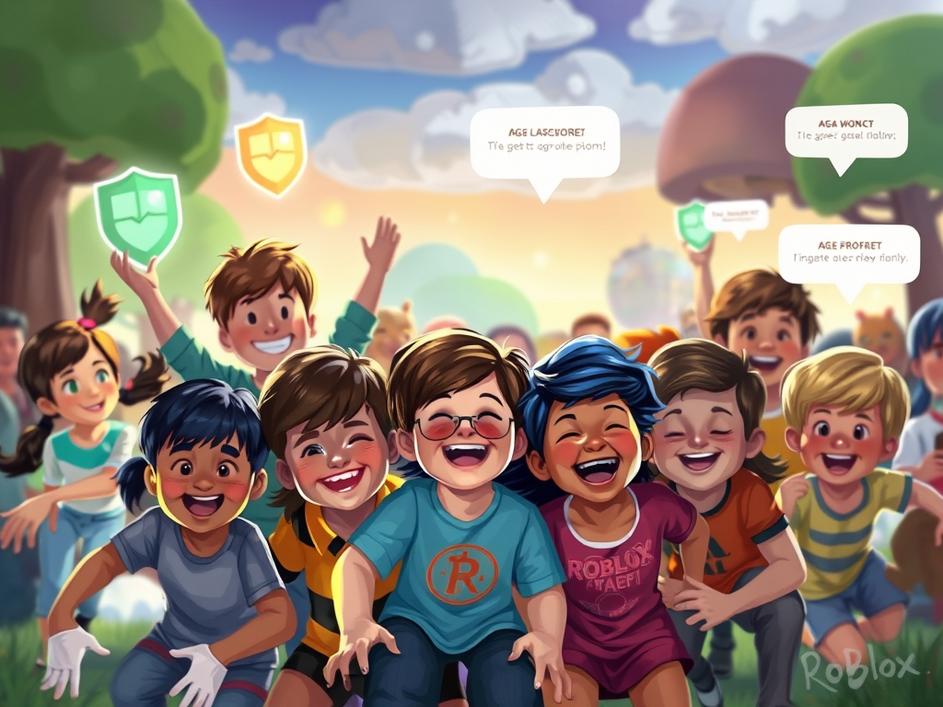
ToggleRoblox, that massively popular online world where kids (and adults!) build games and hang out, is making a big move to try and verify users’ ages. This isn’t just some minor tweak; it’s a significant step, and it involves something a little sci-fi: facial scanning. The goal? To unlock more age-appropriate chat features and, hopefully, make the platform a safer place for everyone.
So, how does this facial age estimation work? Well, Roblox is partnering with a third-party company that specializes in this technology. Users who want to access age-gated chat features will be asked to take a selfie. The technology then analyzes the image to estimate the user’s age. It’s important to note that this isn’t facial recognition; the system isn’t trying to identify the person, just determine if they’re old enough for the feature they want to use. The company deletes the images after the age estimation is done. If the system thinks the user is old enough, they get access. If not, well, they don’t.
For kids, this could mean a more tailored experience. Age-appropriate chat filters and moderation can help protect younger users from inappropriate content and interactions. It also gives them access to features designed for their age group. Imagine a kid who’s been stuck with limited chat options finally being able to participate fully in conversations with their friends. That said, it also means losing some anonymity. Some kids might be uncomfortable with the idea of submitting a selfie, even if it’s just for age verification.
Parents are probably the most interested party here. Many parents worry about their children’s online safety, especially on platforms like Roblox where interactions with strangers are common. This new age verification system offers a layer of reassurance. It’s not a perfect solution, but it shows that Roblox is taking steps to address these concerns. Of course, it’s still crucial for parents to talk to their kids about online safety, monitor their activity, and set clear boundaries. Tech solutions are helpful, but they’re not a substitute for open communication and active parenting.
Roblox has a massive moderation challenge. With millions of users and countless interactions happening every second, it’s impossible for human moderators to catch everything. This age verification system could help filter out some of the noise, making it easier for moderators to focus on the most serious issues. However, it also adds another layer of complexity to the moderation process. There will inevitably be false positives and false negatives, requiring human review. And, of course, people will always try to find ways to game the system.
Anytime facial scanning technology is involved, privacy concerns are going to be raised, and rightfully so. How secure is the data? What happens if the system makes a mistake? Could this technology be used for other purposes in the future? These are all valid questions that need to be addressed. Roblox needs to be transparent about its data handling practices and ensure that user privacy is protected. There’s also the potential for bias in the age estimation technology. If the system is trained primarily on data from one demographic group, it may be less accurate for other groups. This could lead to unfair or discriminatory outcomes.
The big question is: will this age verification system actually work? It’s certainly a step in the right direction, but it’s not a silver bullet. Clever users will likely find ways to circumvent the system, whether it’s using someone else’s photo or finding loopholes in the verification process. And let’s be honest, some adults might try to misrepresent themselves as children. The effectiveness of the system will depend on how well it’s designed, how rigorously it’s enforced, and how quickly Roblox responds to attempts to game the system.
Roblox’s move towards facial age estimation could be a sign of things to come. As online platforms grapple with the challenges of safety and moderation, we may see more companies adopting similar technologies. This raises important questions about the balance between security, privacy, and user experience. It’s a complex issue with no easy answers, and it’s one that we’ll be grappling with for years to come.
Ultimately, Roblox’s new age verification system is a welcome development. It demonstrates a commitment to creating a safer online environment for its users. However, it’s important to recognize that this is just one piece of the puzzle. It needs to be combined with other safety measures, such as parental controls, user education, and robust moderation, to truly make a difference. It’s a continuous effort, and Roblox will need to adapt and evolve its strategies as new challenges arise. The platform needs to remain vigilant and continue innovating to protect its users, especially its youngest ones.


Comments are closed