

We are a digital agency helping businesses develop immersive, engaging, and user-focused web, app, and software solutions.
2310 Mira Vista Ave
Montrose, CA 91020

2500+ reviews based on client feedback
What's Included?
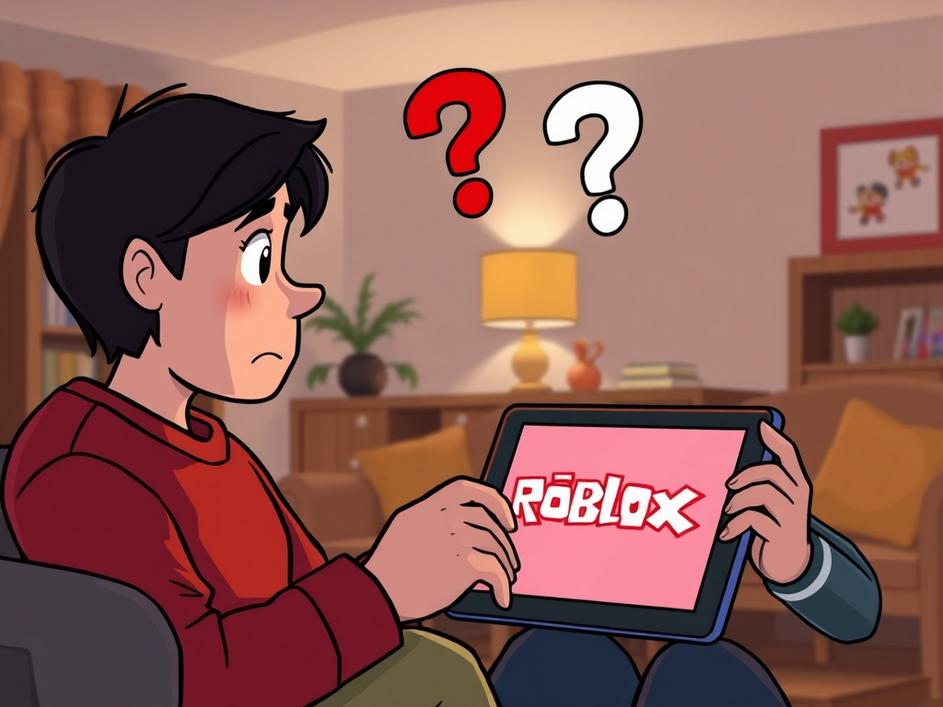
ToggleRoblox, the massively popular online platform where millions create and play games, recently rolled out an age verification system. The idea behind it seems pretty straightforward: create a safer and more appropriate experience for all users, especially younger ones. The goal is to let Roblox tailor content and features based on a user’s age, limiting access to potentially harmful experiences. Makes sense, right?
When the system was first announced, there was a wave of optimism. Parents hoped it would finally offer some real peace of mind, knowing that their kids wouldn’t stumble into content way beyond their maturity level. Players anticipated age-appropriate games would become easier to find, and overall the experience would be more curated and, frankly, less chaotic. The talk was about a more mature, responsible Roblox. And honestly, the potential was there.
But as with many grand plans, the execution has been…rough. The early reports trickling in painted a less-than-rosy picture. For starters, the verification process itself can be a hurdle. It often involves submitting personal information, which immediately raises privacy concerns. How secure is this data? Where is it stored? And how is it used? These are legitimate questions that haven’t been fully answered to everyone’s satisfaction. The verification requires a government issued ID, like a driver’s license or passport. This is too much information to give out for a kids game.
Beyond the privacy worries, there’s the issue of accuracy. Anecdotal evidence suggests that the system isn’t always reliable. Some users have reported being incorrectly classified, leading to frustration and restricted access to games they should be able to play. Imagine being a 16-year-old who’s been playing Roblox for years, only to be suddenly locked out of your favorite games because the system thinks you’re 12. That’s not going to fly.
And then there’s the elephant in the room: the ease with which determined users can bypass these systems. Let’s be real, kids are resourceful. A quick online search can reveal countless tutorials on how to circumvent age verification measures, rendering the whole process somewhat pointless. It becomes a game of cat and mouse, with Roblox constantly trying to patch loopholes while users find new ways around them. This ends up creating an illusion of safety rather than actual safety, which is arguably worse.
Even if the age verification system worked flawlessly, there’s still the underlying issue of content moderation. Roblox has always struggled to keep inappropriate content off its platform, and age verification alone isn’t a magic bullet. You can restrict access based on age, but that doesn’t automatically make the content within those age-gated experiences inherently safe or suitable. The platform needs to invest heavily in proactive moderation, not just reactive measures.
Maybe Roblox should look at alternative solutions to age verification. Instead of requesting sensitive personal information, how about relying more on parental controls and account settings? Allow parents to have greater oversight over their children’s accounts, with options to restrict access to certain games or features. And enhance the reporting system, making it easier for users to flag inappropriate content and behavior. These measures, combined with improved content moderation, could be more effective than a flawed age verification system.
Another point to consider is the potential for data breaches. By collecting sensitive personal information, Roblox becomes a target for hackers. If a breach were to occur, the consequences could be severe, exposing the personal data of millions of users. This risk alone should give Roblox pause and force them to rethink their approach. The privacy concerns are real, and they shouldn’t be dismissed lightly.
Ultimately, the success of Roblox hinges on its ability to create a safe and enjoyable experience for all users. Age verification is a step in the right direction, but it’s not a perfect solution. It requires constant refinement, a commitment to privacy, and a willingness to adapt to the ever-changing landscape of online safety. If Roblox can address these challenges, it can solidify its position as a leading platform for young creators and players. But if it fails, it risks alienating its user base and losing the trust of parents.
So, is Roblox’s age verification system making things better? The jury’s still out. It has the potential to improve safety and create a more curated experience, but the execution needs work. The privacy concerns, accuracy issues, and bypass methods are significant hurdles that need to be addressed. Until then, parents should remain vigilant and take an active role in monitoring their children’s Roblox activity.



Comments are closed