

We are a digital agency helping businesses develop immersive, engaging, and user-focused web, app, and software solutions.
2310 Mira Vista Ave
Montrose, CA 91020

2500+ reviews based on client feedback
What's Included?
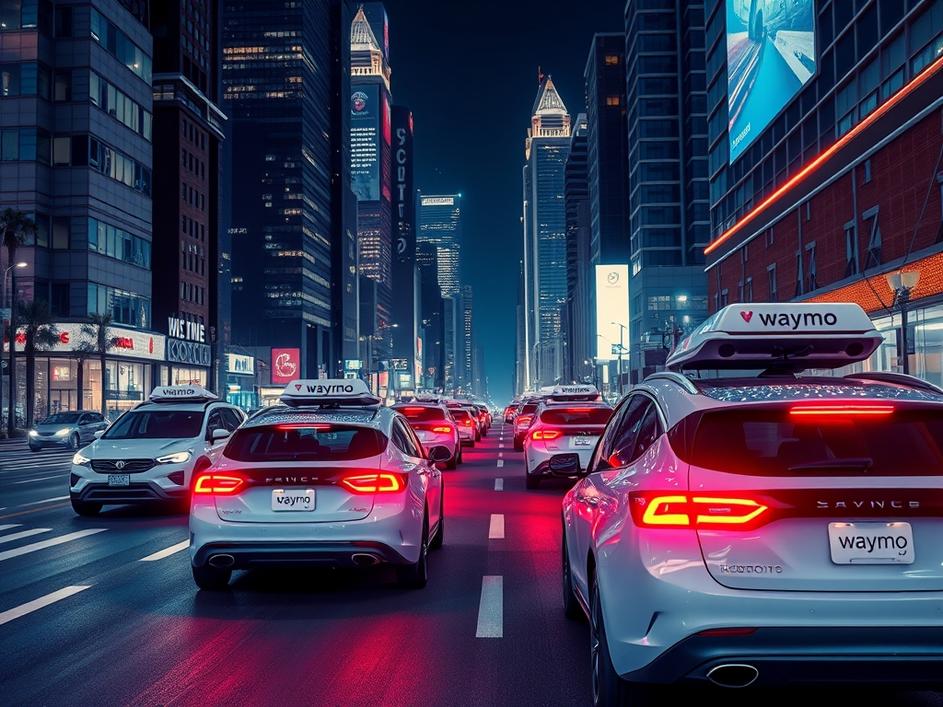
ToggleImagine a world where hailing a ride means summoning a car with no driver. It sounds like science fiction, but it’s quickly becoming a reality. Companies like Waymo are leading the charge, putting autonomous vehicles on the streets and racking up impressive mileage. Recent reports highlight Waymo’s significant lead in the robotaxi market, with over 15 million driverless rides completed in 2023. This milestone underscores the growing acceptance and viability of self-driving technology in everyday transportation.
Fifteen million rides is not just a number; it represents a massive shift in how we think about getting around. These rides happened in several cities across America, offering a glimpse into a future where autonomous vehicles are commonplace. Think about the implications: no more worrying about surge pricing during peak hours, no awkward small talk with drivers, and potentially safer roads with fewer accidents caused by human error. Waymo’s accomplishment is a testament to years of research, development, and rigorous testing. But, the numbers also beg the question – if Waymo is so far ahead, where do other companies stand?
While Waymo currently dominates the robotaxi landscape, other players are vying for a piece of the pie. Companies like Cruise, despite facing setbacks and safety concerns, are still in the race, working to refine their technology and regain public trust. The competition is crucial for innovation, driving down costs, and improving the overall quality of autonomous driving systems. And it is not just about perfecting the tech. Winning public trust is essential for the widespread adoption of robotaxis. Safety is paramount, and companies must demonstrate that their vehicles can navigate complex urban environments safely and reliably.
The implications of autonomous driving extend far beyond just robotaxis. Self-driving technology has the potential to revolutionize various sectors, including logistics, delivery services, and public transportation. Imagine self-driving trucks optimizing delivery routes, reducing fuel consumption, and improving efficiency. Consider the possibilities for providing accessible transportation to elderly or disabled individuals who may not be able to drive themselves. The widespread adoption of autonomous vehicles could reshape our cities, reduce traffic congestion, and create new economic opportunities.
Despite the progress, significant challenges remain. Regulatory hurdles, public perception, and technological limitations are all factors that could slow down the deployment of robotaxis. Developing robust safety protocols, addressing ethical concerns, and ensuring equitable access to autonomous transportation are crucial steps. Moreover, infrastructure upgrades, such as improved road markings and communication networks, may be necessary to fully support the integration of self-driving vehicles into our transportation ecosystem. The path toward widespread adoption is not without its bumps, but the potential benefits are too significant to ignore.
As robotaxi services expand, a price war may be on the horizon. Companies will likely compete on price to attract customers and gain market share. This competition could drive down the cost of transportation, making it more affordable for a wider range of people. However, companies must also balance affordability with profitability and ensure that they can maintain high safety standards while offering competitive prices. The future of robotaxi pricing will depend on factors such as technology costs, regulatory policies, and consumer demand. The current pricing in cities like San Francisco hovers around the same price as ride-hailing services like Uber and Lyft, and sometimes even cheaper during off-peak hours. It remains to be seen how low the prices can go and if a race to the bottom could sacrifice safety.
One important question arises: what is the role of human oversight? While fully autonomous vehicles are the ultimate goal, some companies may opt for a hybrid approach, incorporating remote human operators who can intervene in complex situations. This human-in-the-loop approach could provide an added layer of safety and reassurance, particularly during the early stages of deployment. The balance between autonomy and human intervention will be a critical factor in shaping the future of robotaxis and ensuring public trust.
Waymo’s 15 million driverless rides are a powerful indicator of the direction in which transportation is headed. While challenges undoubtedly remain, the momentum behind autonomous vehicles is undeniable. As technology continues to improve, regulations evolve, and public acceptance grows, we can expect to see more robotaxis on our streets, transforming the way we live, work, and travel. The future of transportation is autonomous, and it’s arriving faster than we think.



Comments are closed