

We are a digital agency helping businesses develop immersive, engaging, and user-focused web, app, and software solutions.
2310 Mira Vista Ave
Montrose, CA 91020

2500+ reviews based on client feedback
What's Included?
ToggleThe buzz around future tech is deafening, and two contenders consistently hog the spotlight: robotaxis and humanoids. Both promise to reshape our world, but one is capturing the attention of seasoned investors more than the other. While humanoids spark visions of Rosie the Robot tidying our homes, many believe robotaxis are the more practical, near-term bet.
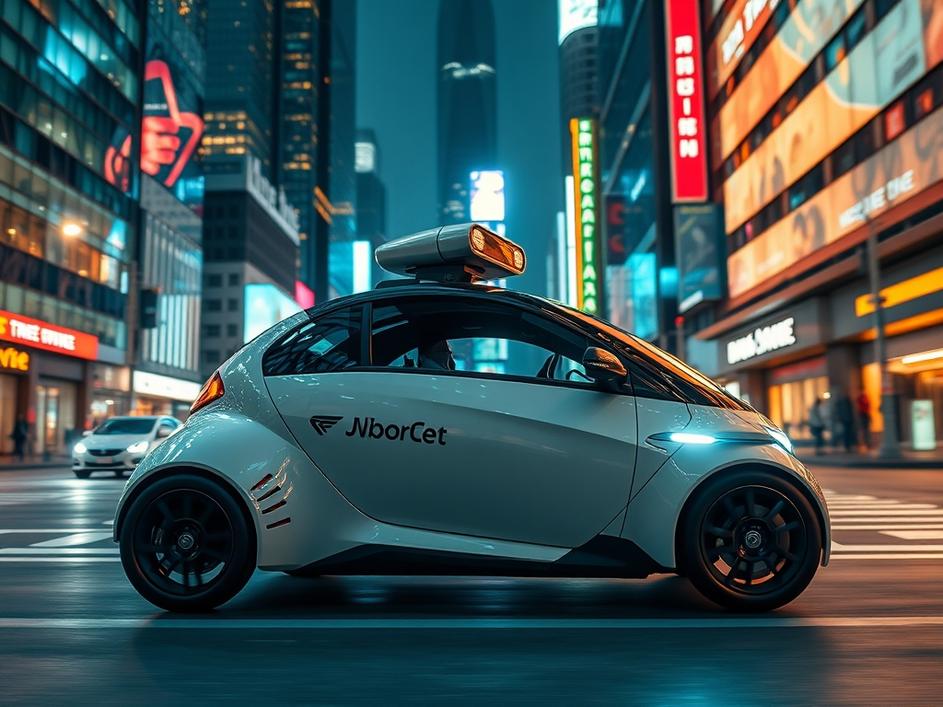
Robotaxis aren’t just about self-driving cars; they represent a fundamental shift in transportation. Imagine a world with fewer privately owned vehicles, reduced traffic congestion, and cheaper, more accessible mobility for everyone. This is the robotaxi dream, and it’s a future that venture capitalists are increasingly willing to fund. The reasons are pretty straightforward: they solve a real problem (getting from A to B) with a tangible solution (autonomous vehicles).
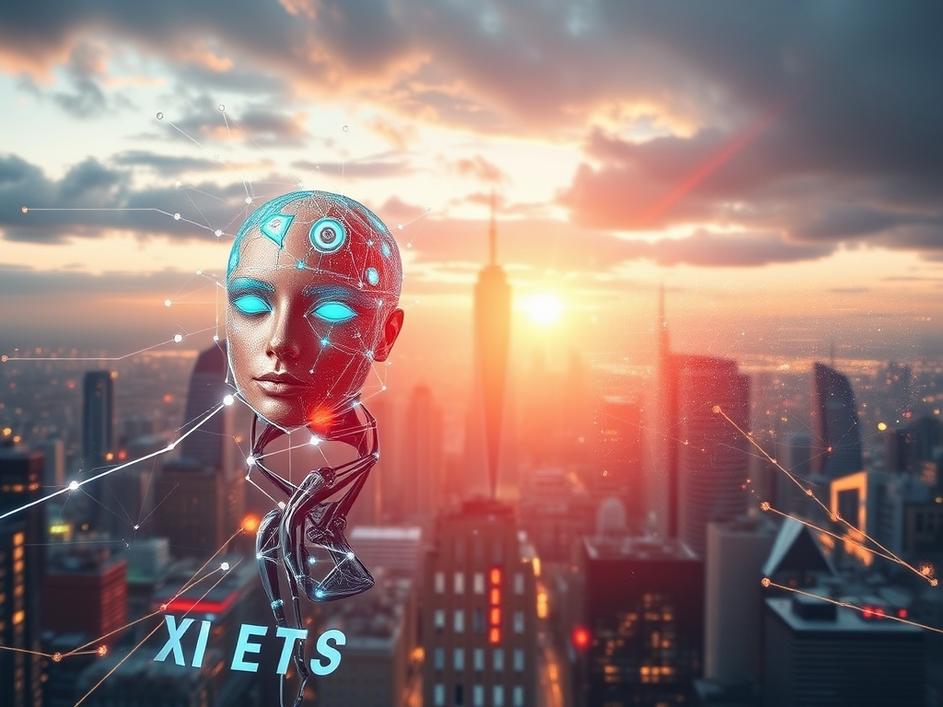
Humanoid robots, on the other hand, still feel a bit like science fiction. While the technology is rapidly advancing, the question remains: what are they *actually* going to do? Sure, the idea of a robot butler is appealing, but the cost and complexity of building a truly useful humanoid are astronomical. And let’s be honest, most of the tasks they’re currently capable of performing can be done more efficiently (and cheaply) by specialized machines.
Another key factor favoring robotaxis is the regulatory landscape. While navigating legal hurdles is never easy, the path to deploying autonomous vehicles seems clearer than the one for integrating humanoids into our daily lives. We’re already seeing cities and states experimenting with robotaxi pilot programs, laying the groundwork for wider adoption. Consider also, the relatively simple infrastructure requirements. Roads already exist. The modifications required to make them robotaxi-friendly are far less extensive than, say, retrofitting every home to accommodate a humanoid helper.
Ultimately, investment decisions come down to risk and reward. Robotaxis, while still a risky proposition, offer a more defined path to profitability. The potential market is massive – the entire transportation sector – and the technology is rapidly maturing. Humanoids, on the other hand, represent a much more speculative investment. The technology is still in its early stages, the market is uncertain, and the ethical and societal implications are still being debated. While the potential payoff could be huge, the risks are equally significant.
The world of tech is often fueled by hype, but smart investors know how to cut through the noise and focus on fundamentals. Robotaxis address a concrete need, have a clear path to market, and offer a compelling return on investment. Humanoids, while fascinating, are still searching for their killer app. And that’s why, for many veteran capitalists, the smart money is on wheels.
The enthusiasm for robotaxis underscores a fundamental truth about technology and investment: the best innovations solve real-world problems. They make our lives easier, more efficient, or more affordable. Humanoids might get there eventually, but until they can demonstrate a clear and compelling value proposition, they’ll remain a niche market, while robotaxis continue to pave the way for the future of transportation.
The journey to fully autonomous transportation won’t be without its challenges. Technical hurdles, regulatory roadblocks, and public acceptance all need to be addressed. But the potential benefits are too great to ignore. And as technology continues to advance and costs continue to fall, robotaxis will become an increasingly attractive alternative to traditional car ownership, transforming our cities and our lives in ways we can only begin to imagine.


Comments are closed