

We are a digital agency helping businesses develop immersive, engaging, and user-focused web, app, and software solutions.
2310 Mira Vista Ave
Montrose, CA 91020

2500+ reviews based on client feedback

What's Included?
ToggleRobotics is no longer a futuristic fantasy; it’s a rapidly evolving reality shaping industries and our daily lives. From automated manufacturing to surgical assistants and even robotic vacuum cleaners, robots are becoming increasingly integrated into society. But what does the future hold? Are we about to witness a surge in robotics innovation that will redefine our world?
KraneShares senior investment strategist Derek Yan recently shared his insights on Yahoo Finance about the “next phase” of robotics, sparking discussions about where investments are flowing and what’s driving this growth. Investment in robotics is not just about building cooler machines; it’s about creating solutions for pressing global issues like labor shortages, aging populations, and the need for increased efficiency. This means robotics companies are developing machines for use in logistics, healthcare, agriculture, and other sectors, to meet these increasing needs.
The “next phase” of robotics isn’t simply about automating existing tasks; it’s about creating robots that are more adaptable, intelligent, and capable of working alongside humans safely and effectively. This involves advances in artificial intelligence (AI), computer vision, and sensor technology. Imagine robots that can not only perform repetitive tasks but also learn from their environment, make decisions, and collaborate with people in dynamic work environments. These smarter robots will be key to enhancing productivity and addressing complex problems across various industries.
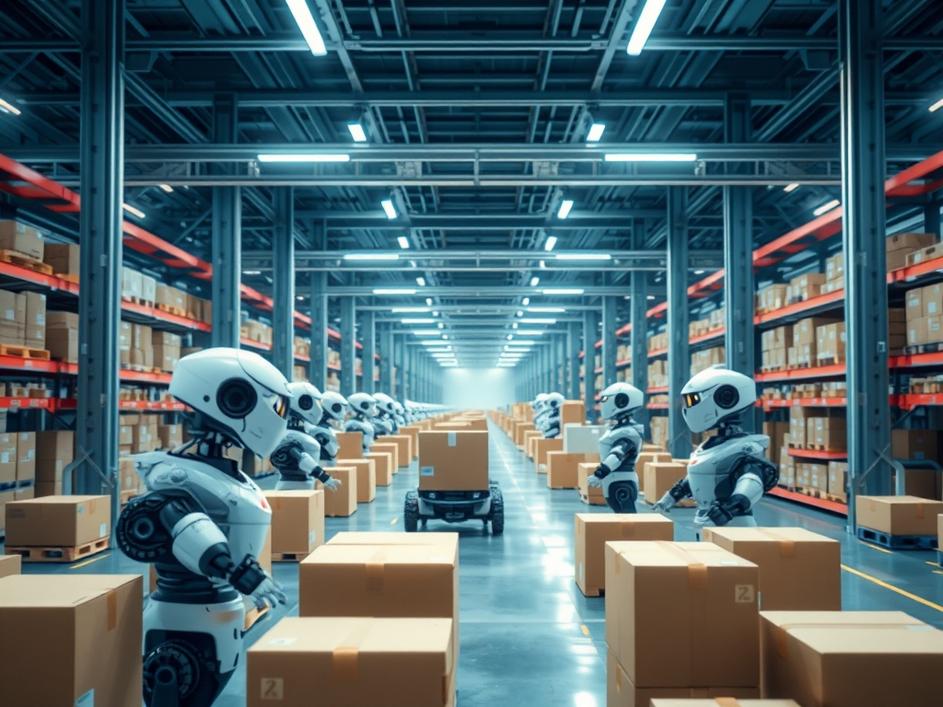
So, where are we seeing the most exciting innovations? Several areas stand out. Collaborative robots, or “cobots,” are designed to work alongside humans without the need for safety cages, making them ideal for manufacturing, assembly, and even healthcare settings. Autonomous mobile robots (AMRs) are transforming logistics and warehousing by navigating complex environments and moving goods without human guidance. Surgical robots are improving precision and minimizing invasiveness in medical procedures, leading to better patient outcomes. And AI-powered robots are enabling new levels of automation in customer service, agriculture, and other sectors.
Of course, the rise of robotics also presents challenges. Concerns about job displacement, ethical considerations related to AI, and the need for robust safety standards are all important issues that must be addressed. However, the opportunities are immense. Robotics has the potential to create new jobs, improve productivity, enhance quality of life, and address some of the world’s most pressing challenges. By investing in education, research, and development, and by fostering collaboration between industry, government, and academia, we can harness the full potential of robotics while mitigating its risks.
The conversation around the “next phase” of robotics is essential because it forces us to think critically about the future. It’s not just about building better robots; it’s about creating a future where robots and humans work together to create a more efficient, sustainable, and prosperous world. While some may worry about robots replacing humans, the reality is that robots are tools that can augment human capabilities and free us from mundane or dangerous tasks. By embracing innovation and addressing the challenges proactively, we can unlock the transformative potential of robotics and build a better future for all.
The continuous development within the field of robotics will not only transform manufacturing and production lines but also redefine sectors like healthcare, logistics, and even agriculture. These advancements are fueled by the demand for efficiency and precision, with robots automating complex tasks and optimizing operations. As technology progresses, robots are expected to integrate more seamlessly into the workforce, enhancing productivity and innovation across industries.
Navigating the future of robotics requires us to deal with ethical considerations surrounding AI and its impact on employment. We need comprehensive frameworks that ensure robotics serves humanity’s best interests, promoting equitable opportunities. These ethical guidelines must address privacy, security, and accountability issues. It is important that robots are developed and deployed responsibly, promoting a future where technological progress enhances human welfare and minimizes potential risks.
The rise of collaborative robots marks a significant turning point in human-machine interaction. Cobots are designed to operate safely alongside human workers, creating synergies that enhance productivity. By combining human ingenuity with robotic capabilities, industries can achieve greater efficiency, flexibility, and innovation. These partnerships require adaptive training programs for workers to ensure a seamless integration into collaborative teams. Through education and proper training, we can empower workers to excel in this evolving landscape.


Comments are closed