

We are a digital agency helping businesses develop immersive, engaging, and user-focused web, app, and software solutions.
2310 Mira Vista Ave
Montrose, CA 91020

2500+ reviews based on client feedback
What's Included?
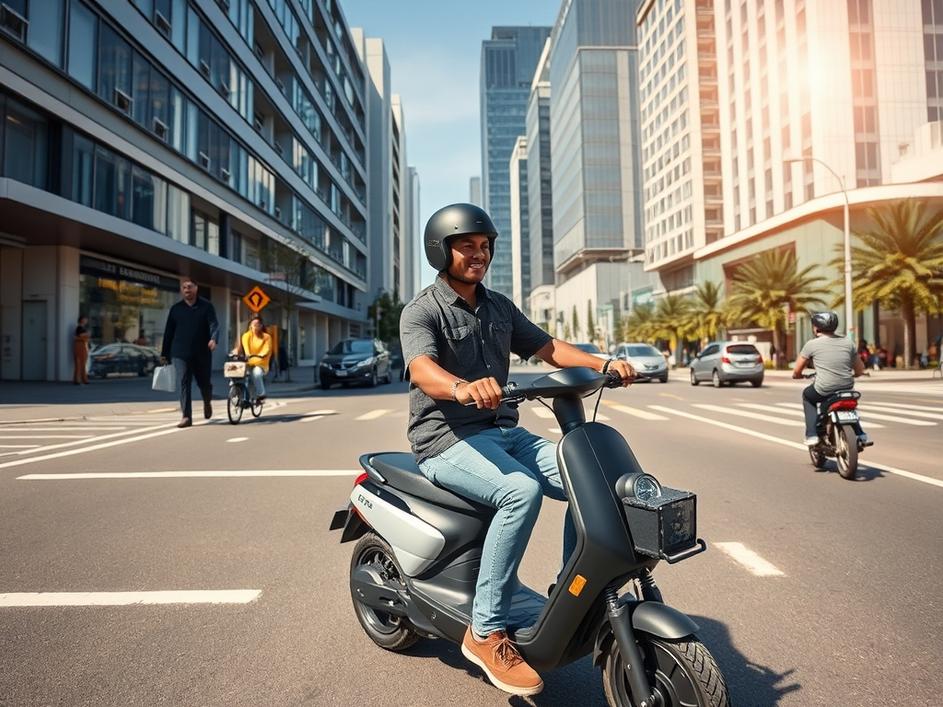
ToggleElectric scooters have gone from a novelty to a daily sight in many cities. You see them parked on sidewalks, zipping past traffic, and popping up in app stores as a quick way to cover the last mile. The appeal is simple: they’re cheap, they don’t need a driver’s licence, and they cut down on car trips. For commuters stuck in rush‑hour gridlock, a scooter can shave minutes off a journey and reduce the carbon footprint a bit. The boom has been fueled by tech companies that place fleets on streets and let users unlock a ride with a tap. That convenience, however, brings a new set of questions about how safe these devices really are and what rules govern their use. At the same time, the sheer number of riders means that interactions with pedestrians, cyclists and cars happen more often, and each interaction carries a risk. Understanding the balance between freedom and responsibility is the first step toward answering the safety puzzle.
When people talk about e‑scooter safety they often point to headlines about crashes or injuries. The reality is mixed. Most riders experience minor bruises or falls, but a small percentage suffer serious head injuries, especially when helmets are ignored. Speed is a big factor – many scooters can reach 25 km/h, which feels fast on a narrow bike lane. Visibility also matters; a small rider can be hard to see in low light, and the scooters themselves are quiet, so pedestrians may not hear them coming. Data from several municipalities show that the number of accidents rises as the fleet grows, but the rate per rider stays relatively low. In short, the risk exists, but it can be managed with the right habits and sensible rules.
Every jurisdiction has its own set of rules, but there are a few common threads. In most Canadian provinces, riders must be at least 16 years old and wear a certified helmet. The scooter is classified as a “motor vehicle” for speed limits, so you’re usually restricted to bike lanes or roads with a speed limit of 50 km/h or less. Sidewalk riding is often prohibited, unless a city explicitly allows it. Some places require riders to have a licence plate or registration, while others treat shared‑fleet scooters as public transport and exempt them. Fines for breaking these rules can range from a warning to several hundred dollars. It’s worth checking the local bylaws before you hop on, because the penalties can add up quickly.
Beyond the legal requirements, a few simple habits go a long way. First, always wear a helmet – it’s the single most effective way to prevent a serious head injury. Second, keep your speed in check, especially on shared paths or when the road surface is wet. Third, use the lights and ring the bell or horn when you’re approaching pedestrians; a quick audible cue can prevent a collision. Fourth, keep both hands on the handles whenever possible; riding with one hand to check a phone dramatically raises the chance of a fall. Finally, do a quick visual check of the scooter before you start – brakes, tires and the deck should be in good shape. These steps cost nothing but can save you a lot of trouble.
Municipalities are learning fast and adjusting their policies as they gather more data. Some cities have introduced “speed caps” that limit shared‑fleet scooters to 15 km/h in dense downtown zones, while allowing higher speeds in suburban areas. Others are creating dedicated scooter lanes that sit between bike lanes and car lanes, giving riders a clear path and reducing conflicts. A few places have launched education campaigns that hand out free helmets or run short safety workshops at community centers. In addition, many cities now require operators to share anonymised trip data, which helps planners identify hot spots for accidents and redesign the street layout accordingly. The goal is to keep the convenience factor while tightening the safety net.
The e‑scooter trend isn’t going away any time soon. They fill a niche that public transit and cars can’t always cover, especially for short trips that are too far to walk but too quick for a bus. The key to making them work for everyone is a mix of sensible regulation, rider responsibility and infrastructure that respects all street users. If riders keep helmets on, obey speed limits and stay visible, the risk drops dramatically. At the same time, cities that invest in clear lane markings, enforce rules consistently and provide easy access to safety gear will see fewer accidents. In the end, e‑scooters can be a safe, fun, and eco‑friendly way to get around – as long as we all play by the rules and look out for each other.
Source: Original Article



Comments are closed