

We are a digital agency helping businesses develop immersive, engaging, and user-focused web, app, and software solutions.
2310 Mira Vista Ave
Montrose, CA 91020

2500+ reviews based on client feedback
What's Included?
ToggleSam Altman, the CEO of OpenAI, recently posted a seemingly innocuous “thank you” to coders on social media. In a vacuum, it’s a nice sentiment. Programmers are, after all, the architects of the digital world. But given the current climate in the tech industry, the message landed with a thud for some, and sparked a meme frenzy for others. Was it a genuine expression of gratitude, or a well-intentioned but ultimately tone-deaf comment from the head of a company rapidly changing the landscape of software development?
The context is critical. Altman’s tweet arrived amidst a wave of layoffs sweeping through the tech sector. Major players like Amazon, Block, Atlassian, and Meta have all announced significant workforce reductions. Thousands of talented individuals are suddenly finding themselves unemployed, often after years of dedicated service. To these people, a blanket “thank you” can feel hollow, even insulting. It’s like being thanked for building a house right before you’re evicted from it.
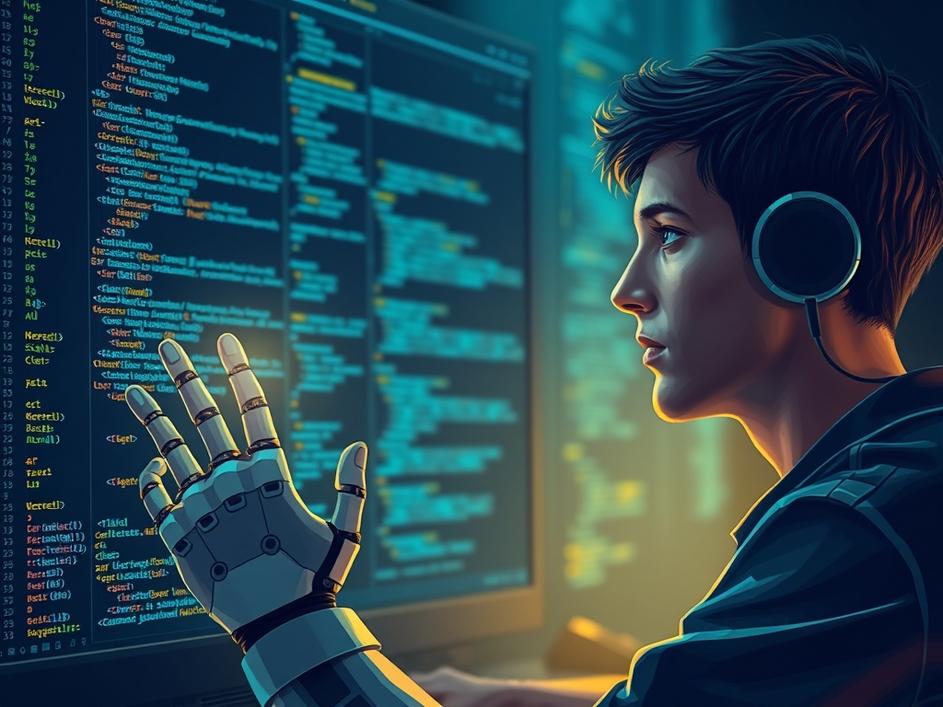
Adding another layer of complexity is the rise of AI, particularly the kind being developed by OpenAI. While AI undoubtedly creates new opportunities, it also threatens to automate many existing coding jobs. Coders are understandably concerned about their future, and a simple expression of thanks from the CEO of a company at the forefront of this disruption can easily be interpreted as patronizing. The question isn’t whether AI will eliminate coding entirely, but rather how it will reshape the profession, and whether there will be enough opportunities for everyone.
The internet, as it often does, responded with humor. Memes mocking Altman’s tweet quickly spread across social media. Some imagined him thanking buggy code, others parodied the sentiment with increasingly absurd scenarios. This memetic response isn’t just about poking fun at Altman; it’s a way for the coding community to collectively process their anxieties and frustrations. Humor becomes a coping mechanism, a way to diffuse tension in a potentially unsettling situation.
Altman’s tweet, while brief, highlights a crucial conversation about the relationship between tech leadership and the workforce. A simple “thank you” is not enough. What’s needed is a commitment to supporting coders through this period of transition. This could involve investing in retraining programs, creating new opportunities within AI development, and fostering a culture of open communication and transparency. Perhaps OpenAI, and other tech companies, could create programs to train coders to use AI tools, or support their employees in starting their own AI-assisted startups.
Ultimately, the episode serves as a reminder of the importance of empathy in the tech industry. Leaders need to be mindful of the impact their words and actions have on the people who contribute to their success. While technological innovation is essential, it shouldn’t come at the expense of human well-being. And even a simple message of thanks can have a profound impact, if it comes from a place of genuine understanding and respect. Maybe the next message should focus on how the company plans to help, rather than just acknowledging the contributions.
The future of coding likely involves a collaborative relationship between humans and AI. Instead of viewing AI as a replacement, we should explore how it can augment human capabilities and free up coders to focus on more creative and strategic tasks. This requires a shift in mindset, from fearing obsolescence to embracing new opportunities. And it requires tech leaders to actively support this transition, not just with words, but with concrete actions.
The meme storm surrounding Altman’s tweet is a symptom of a larger unease within the tech community. It’s a reminder that words matter, especially in times of uncertainty. Moving forward, tech leaders should strive to be more thoughtful and deliberate in their communication, and to prioritize the well-being of their workforce above all else. Because a simple “thank you” only goes so far when people are worried about their livelihoods.



Comments are closed