

We are a digital agency helping businesses develop immersive, engaging, and user-focused web, app, and software solutions.
2310 Mira Vista Ave
Montrose, CA 91020

2500+ reviews based on client feedback
What's Included?
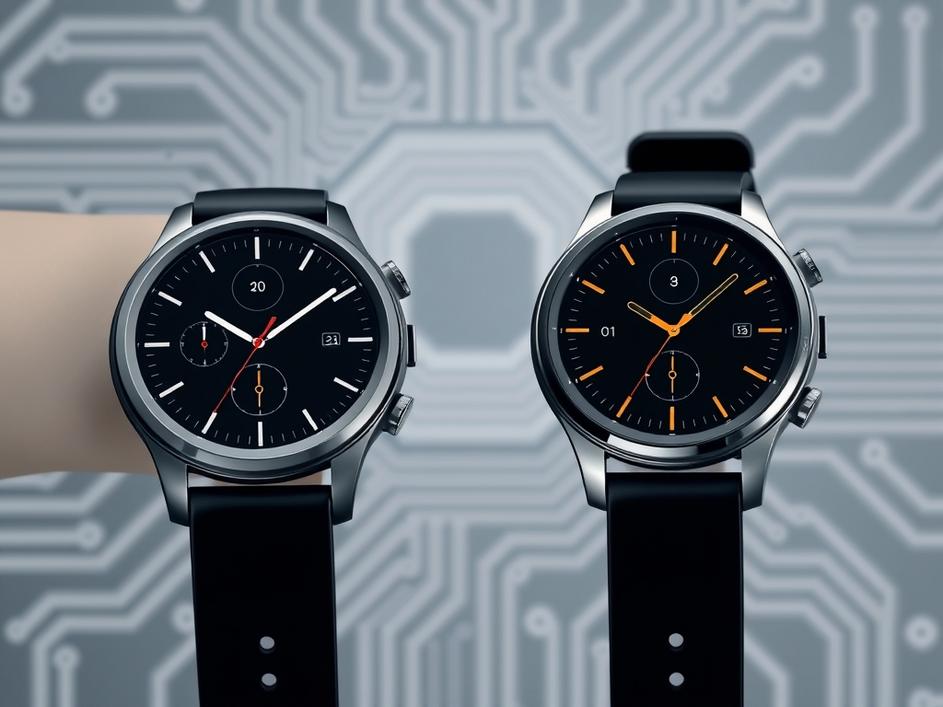
ToggleThe tech world has been buzzing since Samsung’s latest smartwatch paperwork showed up in two big regulatory databases. The Galaxy Watch 9 and the Galaxy Watch Ultra 2 both appear in the FCC list in the United States and in China’s CMIIT system. That tells us the hardware is already built, the radio chips are approved, and the company is getting ready to ship. For fans, it’s a clear sign that the next generation of Samsung wearables is close to hitting store shelves. At the same time, the classic version of the Watch 9 – the one that would keep the rotating bezel – is nowhere to be found. Its absence creates a gap in the story and leaves a lot of questions hanging in the air.
When a device lands in the FCC database, it means Samsung has submitted a test report that proves the radio frequencies are safe and legal. The same idea applies to China’s CMIIT, which checks the same things for the huge Chinese market. In both filings we can see the model numbers, the supported bands, and the battery capacity. The Watch 9 is listed under a code that suggests a 41‑mm case, a Snapdragon‑W5+ processor, and a 450‑mAh cell. The Ultra 2 shows a larger 46‑mm frame, a tougher sapphire crystal, and a 500‑mAh battery. Those details line up with the rumors that have been circulating for months. The paperwork also confirms that Samsung is planning to sell the watches with LTE and even some 5G bands, which is a step up from the previous generation.
Both new watches look like a refined version of the previous models. The Watch 9 drops the flat, rectangular look for a more rounded silhouette that feels comfortable on the wrist. The screen is a Super AMOLED panel that pushes the brightness up to 1,000 nits, so it stays readable in bright sunlight. Samsung says the health sensors now include a new skin temperature sensor and an improved heart‑rate algorithm. The Ultra 2 keeps the rugged vibe, adding a larger battery and a more robust strap system. It also brings a new depth‑gauge sensor that helps divers track their underwater time more accurately. Battery life is expected to be around 40 hours for normal use, a modest gain over the older models but still short enough that many users will keep a charger nearby.
The biggest mystery is the missing Classic version. The Classic line has always been defined by its rotating bezel, a feature that many Android wear fans love. The fact that no filing appears for it in either the FCC or CMIIT suggests Samsung might be delaying the launch, or perhaps re‑thinking the hardware. Some analysts think the company is waiting for a new bezel motor that uses less power, which would improve battery life. Others believe Samsung is testing the market’s appetite for a premium, non‑touch‑only interface before committing to large‑scale production. Whatever the reason, the silence means that buyers who specifically want a bezel will have to wait, and that could push them toward competitors like Garmin or even Apple’s newer models.
For people who have been eyeing a new smartwatch, the filings give a clear timeline. With the paperwork already filed, Samsung is likely to start shipping the Watch 9 and Ultra 2 within the next few weeks, probably in the summer. Prices will probably sit a bit higher than the previous generation because of the new processor and extra health sensors. Expect the standard Watch 9 to start around $299, while the Ultra 2 could be $449 or more, depending on the strap and LTE option. If you were hoping for the Classic, you may need to decide whether to wait or to pick a different brand. The good news is that the standard Watch 9 still offers a solid set of features, and the absence of the bezel might not be a deal‑breaker for everyone.
In short, Samsung’s latest filings confirm that the company is moving forward with two solid smartwatches, but the Classic remains in limbo. The new models bring better screens, stronger processors, and more health data, which should please most users. The missing bezel version, however, leaves a niche audience hanging and could give competitors a chance to fill the gap. As the launch date approaches, we’ll see if Samsung finally releases the Classic or decides to retire the rotating bezel for good. Either way, the smartwatch market keeps getting tighter, and buyers have more options than ever before. Keep an eye on the official announcements, and choose the watch that fits your daily rhythm.
Source: Original Article


Comments are closed