

We are a digital agency helping businesses develop immersive, engaging, and user-focused web, app, and software solutions.
2310 Mira Vista Ave
Montrose, CA 91020

2500+ reviews based on client feedback
What's Included?
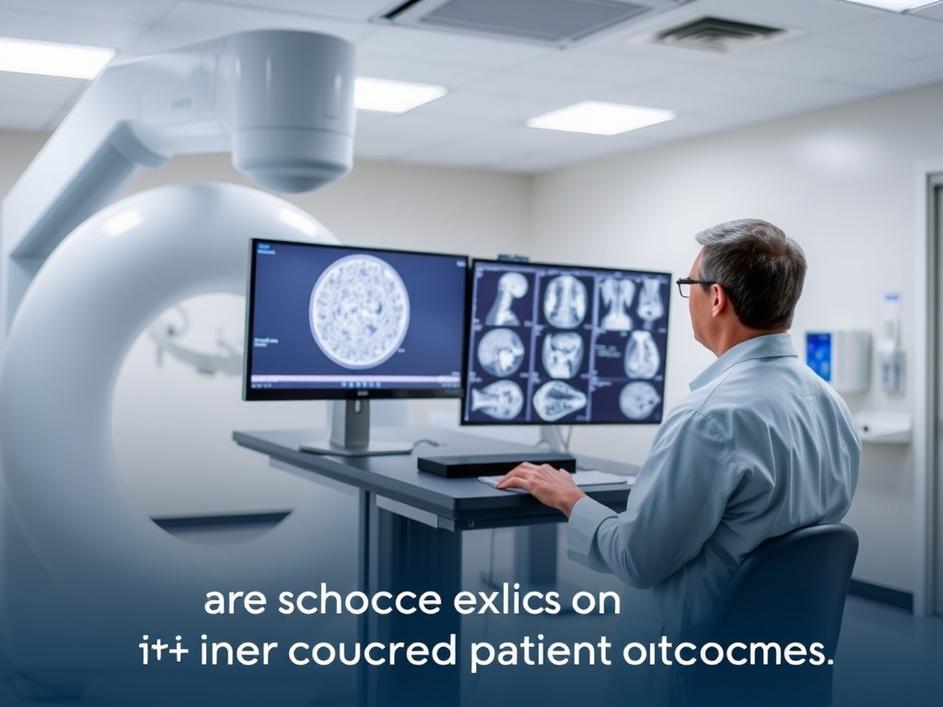
ToggleIn the ever-evolving world of healthcare, time is often the most critical factor. A faster diagnosis can mean the difference between a manageable condition and a life-altering crisis. Sectra, a Swedish company specializing in medical imaging IT and cybersecurity, is aiming to address this need with the launch of its built-in reporting solution in the United States. This new offering promises to accelerate the diagnostic process, ultimately leading to improved patient care.
Sectra’s solution is designed to streamline the way medical images are analyzed and reported. Traditionally, radiologists and other specialists spend considerable time compiling reports based on the images they review. This process can involve multiple software systems, manual data entry, and potential delays. The built-in reporting solution seeks to consolidate these steps, providing a more integrated and efficient workflow. By embedding reporting tools directly within the imaging system, Sectra hopes to reduce the time it takes to generate accurate and comprehensive reports.
The core idea is to have all the necessary tools for image analysis and report creation in one place. Imagine a radiologist examining a CT scan. Instead of switching between different applications to measure, annotate, and document their findings, they can do everything within the Sectra system. The software likely includes features like automated measurements, customizable templates, voice recognition for dictation, and seamless integration with electronic health records (EHRs). This integration is crucial because it ensures that the reports are readily available to other healthcare providers, contributing to a more coordinated approach to patient care. It might also have some AI assistance in pre-populating common findings, but doctors will still have to verify the findings.
The benefits of faster reporting are multifold. For patients, it means quicker diagnoses, reduced anxiety, and faster access to treatment. In fields like oncology, where early detection is paramount, every day saved can significantly improve outcomes. For healthcare providers, the solution could lead to increased efficiency, reduced workload, and improved accuracy. By automating some of the more tedious aspects of reporting, radiologists can focus on the more complex cases and collaborate more effectively with other specialists. Plus, in a healthcare landscape that is constantly squeezed by financial pressures, any technology that can reduce turnaround times and optimize resource allocation is worth considering.
Of course, introducing a new technology into a complex healthcare environment is not without its challenges. One major hurdle is integration with existing systems. Hospitals and clinics often have a patchwork of different software platforms, and ensuring seamless compatibility can be a complex and costly undertaking. Training is another important factor. Healthcare professionals need to be properly trained on the new system to maximize its benefits. Resistance to change can also be a factor, as some providers may be reluctant to adopt new workflows. However, these challenges can be overcome with careful planning, effective communication, and a commitment to providing adequate support.
Sectra is not the only player in the medical imaging IT space. Several other companies offer reporting solutions, and the market is constantly evolving. Some of the key differentiators will likely be the level of integration, the ease of use, the range of features, and the price point. Sectra’s focus on cybersecurity is also a notable advantage, as data security is a major concern in healthcare. Ultimately, the success of Sectra’s solution will depend on its ability to demonstrate tangible benefits to healthcare providers and patients.
Sectra’s launch of its built-in reporting solution in the US represents a positive step toward faster and more efficient medical imaging diagnostics. By streamlining the reporting process, the company hopes to contribute to improved patient care and reduced healthcare costs. While it’s unlikely to be a magic bullet that solves all the challenges facing the healthcare system, it demonstrates the potential of technology to make a meaningful difference in the lives of patients and providers. The real test will be how well it integrates with existing hospital systems and whether it truly makes radiologists’ jobs faster and easier.
The future of medical imaging is likely to be shaped by further advances in artificial intelligence, cloud computing, and personalized medicine. AI algorithms are already being used to assist radiologists in detecting subtle abnormalities in medical images, and this trend is likely to accelerate. Cloud-based solutions are making it easier to store and share images, enabling greater collaboration and remote access. Personalized medicine is tailoring treatment plans to individual patients based on their unique genetic and clinical profiles. As these trends converge, the role of medical imaging will become even more critical in the diagnosis and treatment of disease. Innovation in this space, like Sectra’s reporting solution, helps push us closer to that future.



Comments are closed