

We are a digital agency helping businesses develop immersive, engaging, and user-focused web, app, and software solutions.
2310 Mira Vista Ave
Montrose, CA 91020

2500+ reviews based on client feedback
What's Included?
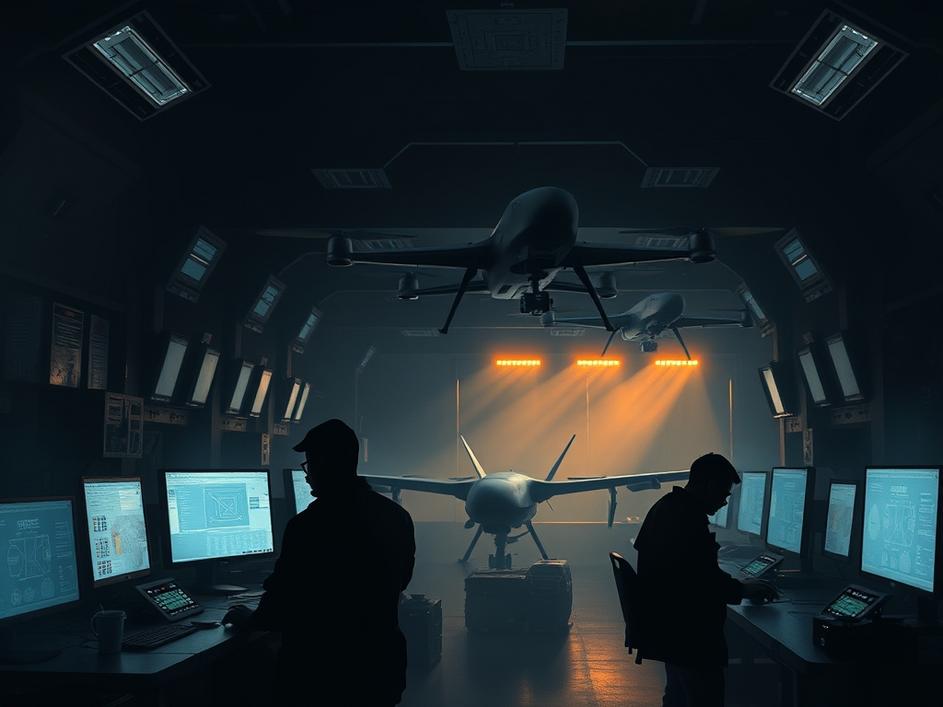
ToggleFor a while, Ukraine seemed to have the upper hand when it came to using drones in their conflict with Russia. But things on the battlefield are always changing. Now, there’s a report that Russia has a special unit, known as ‘Rubicon’, that’s making a real difference in drone warfare, and not in a good way for Ukraine. This unit, operating secretly from Moscow, is shifting the balance of power, turning what was a Ukrainian strength into a major weakness. It seems the tables are turning in the skies above the war zone.
Details about Rubicon are scarce, which adds to the mystery and concern. But the little we know suggests they’re not just throwing any old drones into the air. This unit is highly specialized. They’re reportedly focused on developing advanced drone technology and tactics. This includes everything from electronic warfare to adapting existing drones for new missions. It’s not just about having more drones; it’s about having smarter, more effective ones. This poses a significant challenge for Ukraine, which has relied heavily on off-the-shelf and adapted consumer drones.
Ukraine’s early success with drones came from their innovative use of readily available technology. They were quick to adapt commercial drones for military purposes, using them for reconnaissance, spotting artillery, and even dropping small explosives. But this approach, while effective initially, has its limitations. Russia seems to have recognized these vulnerabilities and is now exploiting them with more sophisticated technology. The Rubicon unit is likely focusing on countering Ukrainian drones, disrupting their signals, and developing drones that are harder to detect and neutralize. This creates a dangerous situation where Ukraine’s eyes in the sky are becoming increasingly blind.
One of the most significant aspects of Rubicon’s operations is likely electronic warfare. This involves using electronic signals to disrupt or disable enemy technology. In the context of drone warfare, this could mean jamming the signals that control Ukrainian drones, making them crash or become useless. It could also involve spoofing GPS signals, sending drones off course. Russia has invested heavily in electronic warfare capabilities, and it’s possible that Rubicon is at the forefront of applying these technologies to counter Ukrainian drone operations. If Russia can effectively control the electronic spectrum, they can severely limit Ukraine’s ability to use drones for reconnaissance and attack purposes. This is a critical area to watch as the conflict evolves.
The rise of Russia’s Rubicon unit suggests a broader shift in Moscow’s strategy. It’s not just about brute force anymore; it’s about technological sophistication and adaptation. By focusing on drone warfare, Russia is trying to gain a strategic advantage without necessarily committing more troops or heavy equipment. Drones offer a relatively inexpensive way to gather intelligence, conduct surveillance, and even carry out attacks. If Russia can dominate the skies with its drones, it can significantly impact the battlefield, making it harder for Ukrainian forces to operate effectively. This also has implications for future conflicts. Drone warfare is likely to become an increasingly important aspect of modern warfare, and the lessons learned in Ukraine will shape military strategies for years to come.
The impact of Rubicon goes beyond just the current conflict. It showcases how quickly modern warfare can change. What was once a clear advantage for Ukraine has now become a significant challenge. This highlights the need for constant innovation and adaptation in military technology. It also raises questions about the future of warfare. Will drones become the dominant force on the battlefield? Will electronic warfare render traditional weapons systems obsolete? The answers to these questions are still uncertain, but the rise of units like Rubicon suggests that the future of warfare will be heavily influenced by technology.
For Ukraine, the emergence of Rubicon means they need to adapt quickly. They need to find ways to counter Russia’s advanced drone technology and tactics. This could involve investing in new drone technologies, improving their electronic warfare capabilities, and developing new strategies for using drones in combat. It could also mean seeking assistance from allies who have experience in countering advanced drone threats. The key is to stay one step ahead of the enemy and find innovative ways to maintain a technological edge. The ability to adapt and innovate will be crucial for Ukraine’s success in this conflict.
The drone war, and the rise of units like Rubicon, adds another layer of complexity to the conflict in Ukraine. It’s a war fought in the shadows, with electronic signals and unseen technologies playing a crucial role. It’s a war that requires constant vigilance, adaptation, and innovation. And it’s a war that will likely shape the future of military conflict for years to come. The situation is serious, and requires careful planning and a quick response to defend against the drone threat.



Comments are closed