

We are a digital agency helping businesses develop immersive, engaging, and user-focused web, app, and software solutions.
2310 Mira Vista Ave
Montrose, CA 91020

2500+ reviews based on client feedback
What's Included?
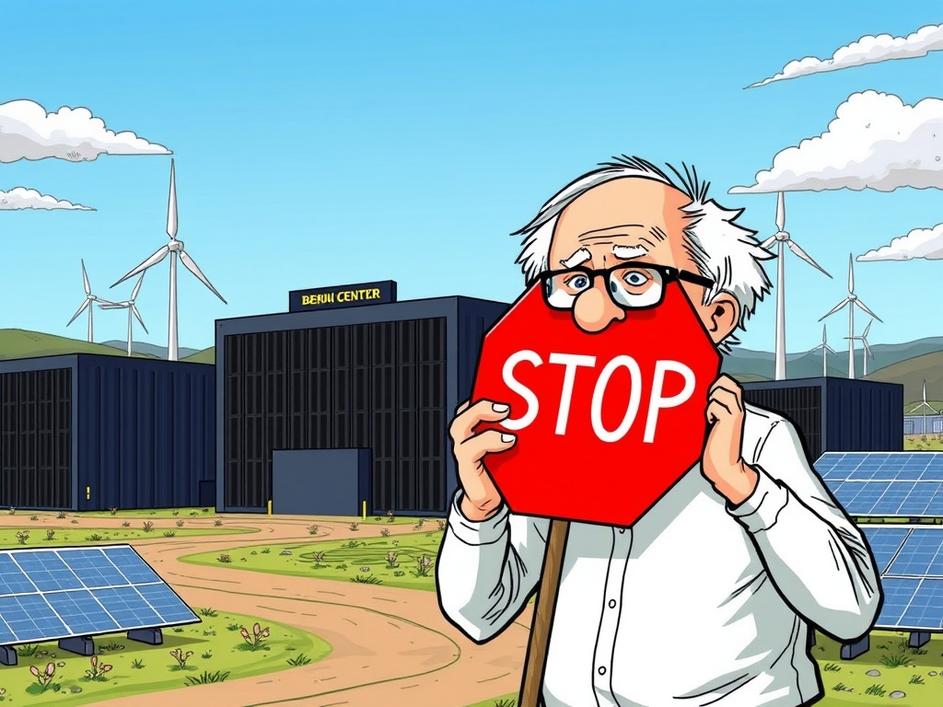
ToggleDuring a recent town hall at Stanford University focused on artificial intelligence, Senator Bernie Sanders voiced a compelling argument: a temporary halt on the construction of new data centers. Joined by Representative Ro Khanna, Sanders addressed concerns about the burgeoning AI industry and its potential societal impacts. This call for a “moratorium” raises critical questions about the balance between technological advancement and responsible resource management. This isn’t just about servers and electricity; it’s about the future we’re building.
Sanders’ primary concern revolves around the immense energy consumption of data centers, which are the backbone of AI and cloud computing. These facilities require massive amounts of electricity to power servers and keep them cool, leading to significant carbon emissions. He argues that unchecked expansion of data centers could undermine efforts to combat climate change. And it’s a fair point. As AI becomes more prevalent, the demand for data processing power will only increase, exacerbating the problem. The moratorium is proposed as a way to give us time to evaluate the environmental impacts and explore more sustainable solutions before it’s too late.
Beyond environmental considerations, Sanders also touched on the economic implications. While data centers do create some jobs, they are often highly specialized and don’t necessarily translate into widespread employment opportunities for local communities. There’s a fear that the benefits of AI development might be concentrated in the hands of a few large tech companies, while the environmental burden is borne by everyone. He suggests, and this is where it gets interesting, that a pause could force a conversation about equitable distribution of resources and opportunities.
The idea of a moratorium on data centers is bound to spark debate. Supporters argue that it’s a necessary step to ensure responsible AI development and prevent environmental damage. They believe that a temporary pause would allow for the development of more energy-efficient technologies and policies. But others contend that such a move would stifle innovation and give other countries a competitive advantage in the AI race. The tech industry, predictably, has pushed back, saying that data centers are essential for economic growth and that they are already investing in renewable energy sources. But are those investments enough, and are they happening fast enough?
Sanders’ call for a moratorium is not just about data centers; it’s a broader call for a national conversation about the societal implications of AI. It’s about asking tough questions about who benefits from this technology and who bears the costs. And it’s about ensuring that AI is developed in a way that is aligned with our values and priorities. It’s about accountability and transparency in a rapidly evolving technological landscape. Without careful consideration, AI risks becoming a tool for further inequality and environmental degradation. We need to think critically about the kind of future we want to create and make sure that AI serves humanity, rather than the other way around. Sanders, in this case, is suggesting a timeout to think through these problems.
Ultimately, the debate over a data center moratorium highlights the tension between technological progress and responsible governance. While AI holds immense potential to solve some of the world’s most pressing problems, it also poses significant risks. Finding the right balance will require careful consideration, open dialogue, and a willingness to challenge the status quo. Maybe a complete moratorium isn’t the answer, but Senator Sanders has definitely sparked a crucial conversation. The future of AI depends not just on innovation, but on our ability to make informed and ethical choices about its development and deployment. It is about the future of data centers, but so much more.



Comments are closed