

We are a digital agency helping businesses develop immersive, engaging, and user-focused web, app, and software solutions.
2310 Mira Vista Ave
Montrose, CA 91020

2500+ reviews based on client feedback
What's Included?
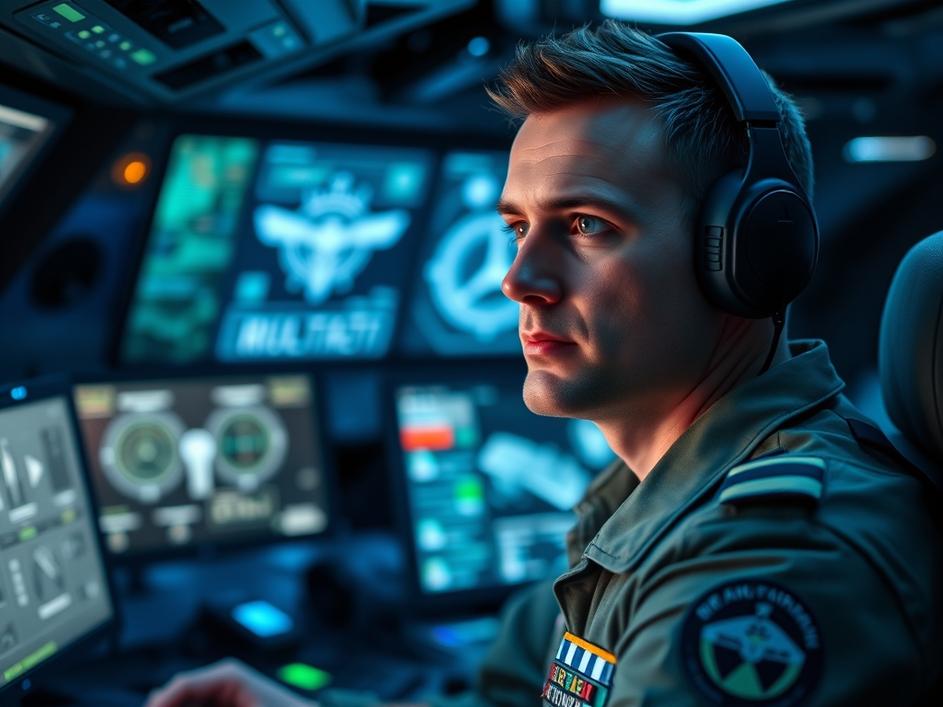
ToggleFor the first time, Royal Air Force personnel operating drones have earned the prestigious title of “ace.” It’s a big deal, marking a shift in aerial warfare and highlighting the growing importance of unmanned systems. These aren’t your grandfather’s fighter pilots dodging enemy fire; these are highly skilled operators sitting in a control room, piloting sophisticated aircraft from afar. This milestone recognizes their expertise and the critical role they play in modern military operations. The RAF hasn’t released specifics about the missions that led to the ace designation, but it’s clear that these drone operators are racking up significant achievements.
The title “ace” traditionally conjures images of daring pilots in Spitfires dogfighting over Europe. Now, it’s being applied to individuals controlling drones, reflecting how technology is changing combat. While the skills are different, the core principles remain the same: precision, strategic thinking, and the ability to effectively engage targets. This evolution isn’t just about technology; it’s about adapting to new threats and finding innovative ways to maintain air superiority. The reliance on drones also minimizes risk to human pilots in dangerous scenarios.
It’s easy to dismiss drone warfare as a video game, but the reality is far more complex and serious. These operators are making life-and-death decisions, often in real-time, with significant consequences. The psychological toll can be immense, as they grapple with the responsibility of their actions from thousands of miles away. Public understanding and perception of drone warfare needs to mature beyond simplistic portrayals. There are ethical considerations, risks of misidentification, and the very real human impact of these technological advancements. The ‘ace’ title, while celebratory, should also prompt us to consider the weight these operators carry.
The rise of drone technology has significant implications for global security. Unmanned systems are becoming increasingly sophisticated, capable of performing a wide range of tasks, from surveillance and reconnaissance to targeted strikes. This proliferation raises concerns about accountability, the potential for misuse, and the impact on international relations. As more countries develop and deploy drones, the risk of escalation and miscalculation increases. International regulations and ethical guidelines are needed to ensure that this technology is used responsibly and in accordance with international law. The RAF’s recognition of its drone aces is a sign of the times, reflecting a future where unmanned systems play an even larger role in military operations.
The technology driving military drones is also finding its way into civilian applications. From agriculture and infrastructure inspection to search and rescue operations, drones are being used to improve efficiency, enhance safety, and address a wide range of societal challenges. As drone technology becomes more accessible and affordable, we can expect to see even more innovative applications emerge. This raises questions about privacy, data security, and the potential impact on employment. Careful consideration is needed to ensure that the benefits of drone technology are realized while mitigating the risks.
Equipping their gunners with the title of “drone ace” is a clever strategic move by the RAF. It boosts morale, acknowledges their expertise, and helps attract talented personnel. Serving as a drone operator might not have the same romantic appeal as traditional fighter piloting, so publicly celebrating their accomplishments is key to making it a desirable career path. The RAF is essentially signaling that they’re at the forefront of modern warfare and are committed to developing and recognizing expertise in this evolving field.
While technology advances, the human element remains crucial. The ethical considerations of drone warfare, the psychological impact on operators, and the need for responsible oversight cannot be ignored. As drones become more autonomous, it’s essential to ensure that human control and ethical decision-making remain central to their operation. These new “aces” shouldn’t be viewed as just button pushers, but as highly trained professionals navigating complex and morally challenging situations.
The RAF’s designation of “drone aces” isn’t just a headline; it’s a glimpse into the future of warfare. It forces us to confront the complex realities of technology, ethics, and the changing nature of conflict. Recognizing these operators is vital, but we must also keep in mind that these advances demand thoughtful debate and responsible implementation to safeguard global security and uphold human values.



Comments are closed